By Sam Hill
Published: November 19, 2026
Executive Overview
As the global entertainment landscape reaches a fever pitch with the long-awaited launch of Rockstar Games’ Grand Theft Auto 6, millions of fans are finding creative ways to carve out uninterrupted hours to explore the sun-drenched streets of Vice City. While the civilian workforce deals with traditional requests for personal time off, a far more unorthodox approach to gaming-driven leave has emerged within the United States military.
In a novel recruiting and retention strategy that has rapidly gone viral, 43 soldiers from the U.S. Army’s 9th Brigade Engineer Battalion at Fort Stewart, Georgia, signed on the dotted line for an additional two to six years of active-duty service. Their motivation? A guaranteed four-day weekend dedicated entirely to the launch of GTA 6.
Spearheaded by a creative career counselor looking to bridge the empathy gap between senior leadership and junior enlisted personnel, this unique incentive highlights the lengths to which institutions will go to meet operational requirements in an era dominated by cultural milestones. Combined with lucrative financial bonuses and the historic critical reception of Rockstar’s latest masterpiece, the story of Fort Stewart’s gaming brigade offers a fascinating look at the intersection of modern military retention and pop-culture phenomena.
Detailed Chronology: How a Vice City Weekend Captured a Battalion
The genesis of Operation Vice City traces back to the weeks leading up to the globally anticipated release date of November 19, 2026. For months, military installations had felt the cultural tremors of Grand Theft Auto 6‘s impending debut. Soldiers in barracks across the country debated preorder editions, speculated over map sizes, and lamented the inevitability of missing out on day-one server rushes due to duty rosters and training schedules.
Recognizing an opportunity to address persistent retention quotas while simultaneously boosting morale, Staff Sgt. Brittany Wolfer, a career counselor assigned to Fort Stewart, formulated a plan. She realized that traditional retention pitches—focusing solely on standard financial increments, promotion timelines, and retirement benefits—were failing to resonate with a digitally native generation of soldiers seeking autonomy and work-life balance.
"There is always going to be a disconnect between your senior command and your lowest soldier," Wolfer explained in interviews following the rollout of the initiative. "So how do you bridge that gap to where that lower soldier still knows that their battalion commander or their senior leadership cares about them and sees what they’re interested in?"
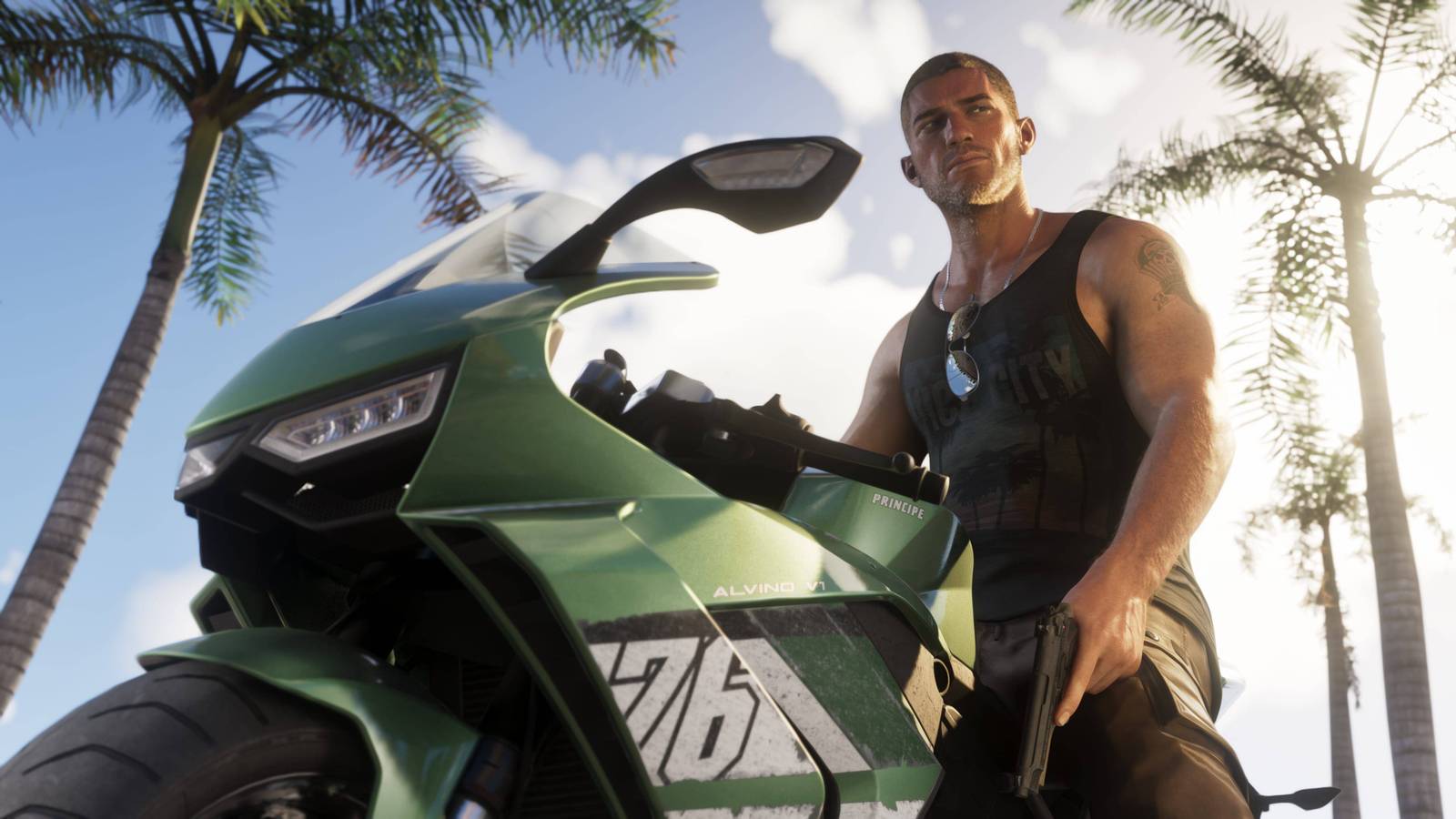
Wolfer’s solution was simple yet remarkably effective: leverage the cultural tidal wave of GTA 6. Collaborating with battalion leadership, she crafted a special retention package. Soldiers whose contracts were nearing expiration were offered a specialized incentive tier: sign on for an extended hitch of two to six years, and secure a guaranteed four-day weekend starting precisely on launch day.
The response was immediate. Within days, 43 soldiers within the 9th Brigade Engineer Battalion stepped forward to accept the terms. Among them was Sgt. Jamire Smith, a combat engineer whose specialized skills in operating heavy breaching vehicles made him a high-priority target for retention. Smith, who had initially planned to separate from the Army and transition to civilian life, admitted that the combination of the four-day weekend and a substantial $60,000 reenlistment bonus ultimately swayed his decision.
"I’m all campaign. I’m all about the heist," Smith joked, outlining his plans for the marathon gaming session. "I think I have a good 24 hours to waste on it."
Supporting Context & Metrics: A Historic Cultural Phenomenon
The willingness of dozens of soldiers to trade years of their military service for a single extended weekend underscores the unprecedented cultural weight carried by Grand Theft Auto 6. Rockstar Games’ latest title has not merely launched; it has fundamentally redefined the economic and cultural ceilings of the interactive entertainment industry.
Upon its arrival on November 19, 2026, GTA 6 was met with universal critical acclaim, securing a staggering 99 Metascore on Metacritic. This critical triumph ties the game with Nintendo’s legendary The Legend of Zelda: Ocarina of Time for the highest-rated video game in history. Reviewers have lauded the title for its sprawling, hyper-detailed recreation of Vice City, its deep socio-political satire, its technical fidelity, and its gripping, emotionally driven narrative starring protagonists Jason and Lucia.
The commercial and digital impact has been equally seismic. Within hours of going live, GTA 6 shattered historical streaming records on platforms like Twitch, drawing a jaw-dropping peak of more than 3.29 million concurrent viewers. Millions more tuned into watch parties, review roundups, and digital explorations of the game’s dynamic open world.
For the soldiers of Fort Stewart, stepping into this meticulously crafted digital playground represented a much-needed psychological decompression from the rigorous demands of military engineering operations. The 9th Brigade Engineer Battalion specializes in complex, high-stress tasks—mobility, counter-mobility, and survivability support—making the escapism offered by an immersive open-world crime drama particularly alluring.

Official Statements and Internal Reactions
The success of the Fort Stewart reenlistment drive has triggered widespread discussions across various branches of the armed forces regarding how leadership communicates with younger personnel. By acknowledging and leaning into mainstream cultural touchstones rather than punishing or ignoring them, junior and senior leadership demonstrated a high degree of cultural agility.
Staff Sgt. Wolfer noted that the initiative successfully dismantled traditional barriers between enlisted personnel and the command structure. By showing that leadership not only understood the cultural significance of the game’s release but was willing to facilitate it, the battalion fostered a tangible sense of mutual respect and camaraderie.
In a lighter moment amid the serious business of military retention, Wolfer even floated a creative pitch for Rockstar Games. Given the profound cultural crossover between the 3rd Infantry Division—to which Fort Stewart belongs—and the viral attention garnered by the battalion’s retention drive, Wolfer expressed a tongue-in-cheek desire to see the division’ immortalized in code.
"Put Rocky in ‘Grand Theft Auto.’ Absolutely, that’d be, like, peak in my career, honestly," she remarked, referencing the division’s famous bulldog mascot. While an official crossover featuring "Rocky the Bulldog" cruising down the neon-lit boulevards of Vice City remains unlikely, the sentiment captures the surreal blending of military culture and internet-age gaming fandom.
Future Outlook: The New Frontier of Institutional Retention
As the dust settles on the initial launch window of Grand Theft Auto 6, the repercussions of FortStewart’s experiment will likely echo well beyond the borders of Georgia. Military recruitment and retention agencies across the globe face an ongoing challenge: how to attract and retain tech-literate, digitally connected generations who value flexibility, personalization, and cultural relevance.
The strategy deployed by the 9th Brigade Engineer Battalion provides a blueprint for modern human resources management, proving that thinking outside the box can yield remarkable results. Whether offering time off for a highly anticipated tech product, a massive gaming release, or another significant cultural milestone, institutional flexibility is increasingly proving to be a potent tool in human capital management.
For Sgt. Jamire Smith, Staff Sgt. Brittany Wolfer, and the other 42 soldiers currently enjoying their hard-earned four-day weekends in Vice City, the immediate future is clear: meticulously planned heists, high-speed motorcycle chases across southern Florida marshlands, and total immersion in the most critically acclaimed video game of a generation. When Monday morning roll call arrives, they will return to their posts as combat engineers—their contracts extended, their bonuses secured, and their digital legacies in Vice City firmly cemented.