Executive Overview
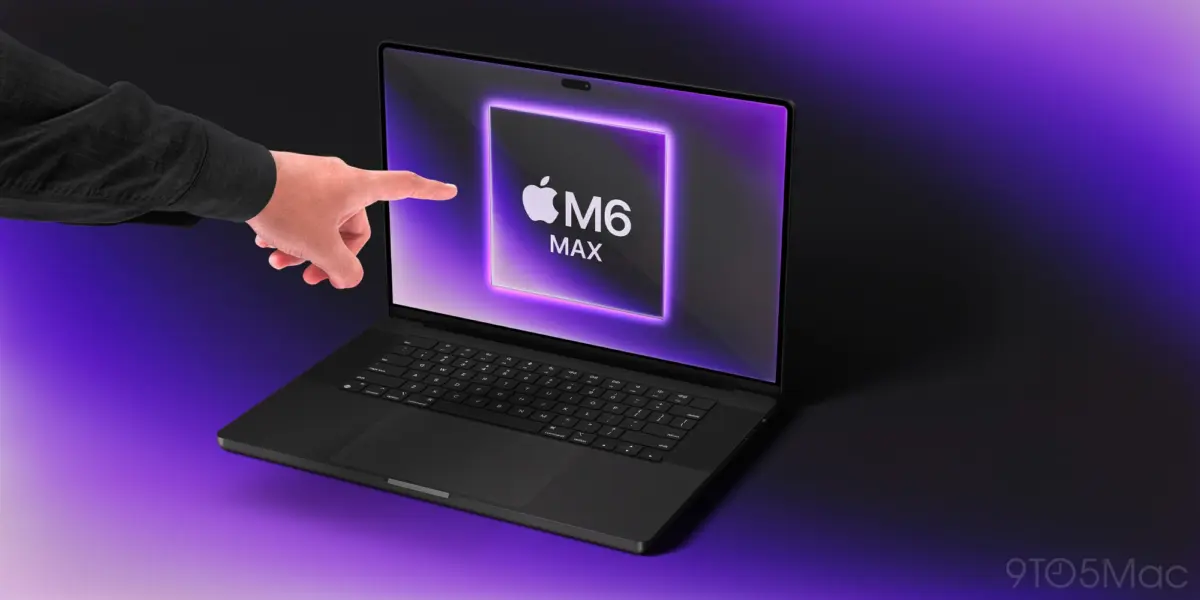
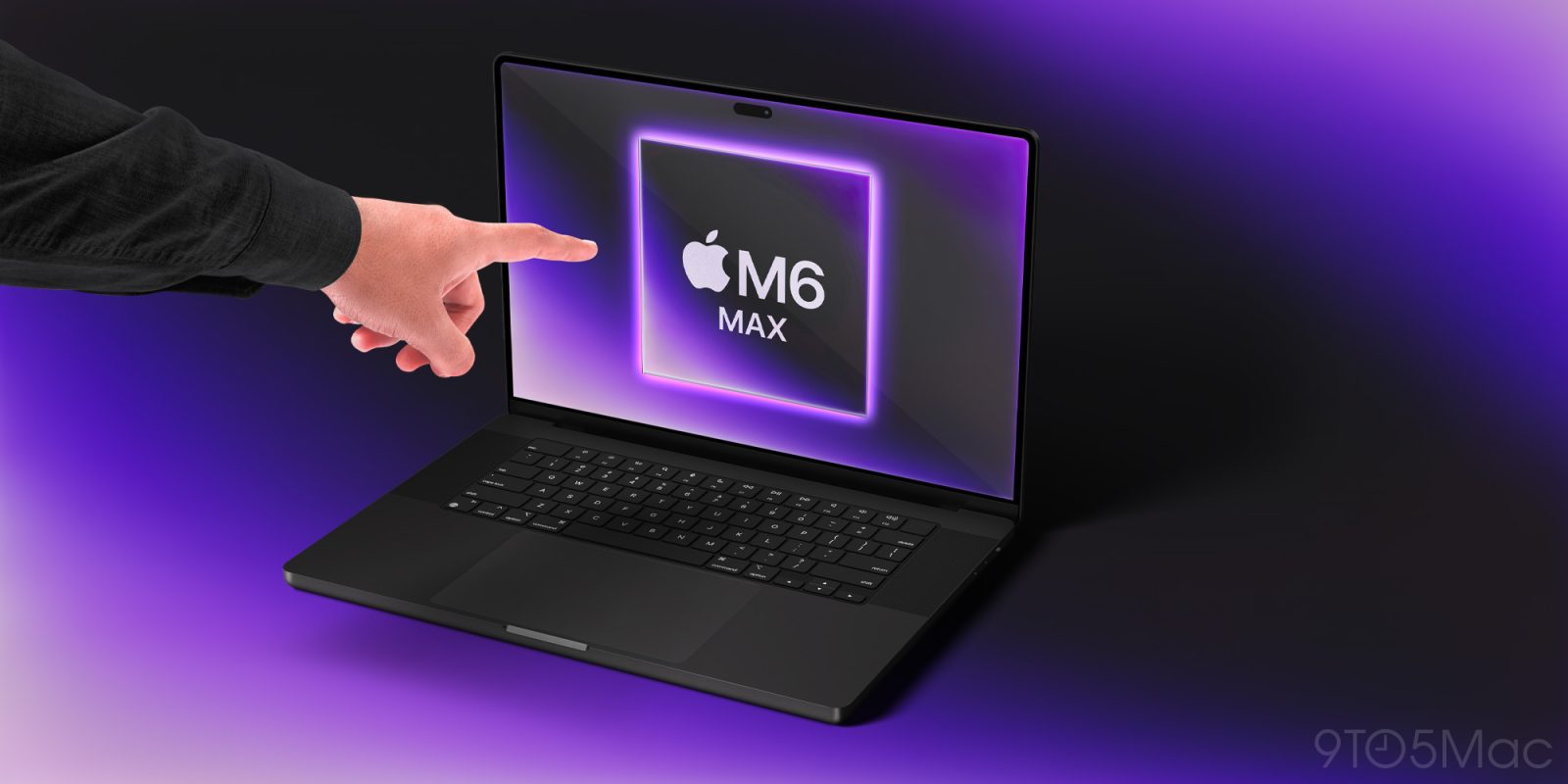
Apple is on the brink of reshaping the personal computing landscape once again. Ahead of its highly anticipated "Pro and Tell" special event, industry insiders and supply chain reports point to a paradigm shift for the company’s flagship portable lineup: the introduction of the first-ever touchscreen MacBook Pro models featuring cutting-edge OLED displays.
For over a decade, Apple leadership—most famously co-founder Steve Jobs—staunchly resisted bringing touch interfaces to macOS, famously dismissing vertical touchscreens as ergonomic nonsense. However, shifting consumer expectations, advancements in panel technology, and internal advocacy have finally dismantled that long-standing dogma.
According to reports from Bloomberg’s Mark Gurman, these groundbreaking machines will debut with a substantial price premium, starting at an estimated $2,899 for the 14-inch variant and climbing to at least $3,399 for the 16-inch configuration. Rather than immediately sweeping away the traditional non-touch variants, Apple plans to position these OLED powerhouses at the absolute pinnacle of its laptop tier. Featuring a thinner profile, lighter chassis, Dynamic Island integration, and a completely re-engineered internal cooling architecture, this upcoming hardware release represents the most radical redesign of the MacBook Pro since the transition to Apple Silicon.
Detailed Chronology of the Touchscreen Mac
The journey toward a touchscreen Mac has been a slow, deliberate, and fiercely debated evolution behind closed doors at Apple Park. To understand the magnitude of tomorrow’s announcement, it is essential to trace the timeline of how Apple shifted from absolute rejection to a full-scale hardware revolution.
The Post-Jobs Era and the iPad Pro Dichotomy
For years, Apple maintained a strict philosophical boundary between iOS devices (which were inherently touch-first) and macOS devices (which relied entirely on trackpads and keyboards). The company argued that vertical touchscreens caused arm fatigue and that iPadOS and macOS served fundamentally different use cases.
Even as Windows competitors aggressively embraced 2인이-in-1 form factors and touch-enabled laptops throughout the mid-2010s, Apple doubled down on its position. Instead, they introduced the Touch Bar on the 2016 MacBook Pro—a controversial compromise that was ultimately phased out years later due to lukewarm developer adoption and user indifference. Meanwhile, the iPad Pro line grew increasingly powerful, sporting OLED technology and Magic Keyboards that blurred the lines of what a laptop could be, all while running a tablet operating system.
The Four-Year Genesis: Greenlighting the Project
Internal momentum for a touchscreen Mac began to crystallize roughly four years ago. According to sources familiar with Apple’s internal roadmap, persistent customer feedback signaled that touch functionality was no longer just a gimmick, but a baseline expectation for high-end computing devices.
John Ternus, Apple’s senior vice president of Hardware Engineering, reportedly championed the pivot internally. Ternus argued that Apple had fallen behind industry standards and that touchscreens had officially become "table stakes" for modern laptops. Armed with this assessment, CEO Tim Cook reportedly gave the initiative a decisive green light, telling his executive team, "We should just do it."
The Final Stretch to the "Pro and Tell" Event
Over the last 24 months, prototype development accelerated. Engineers had to overcome significant technical hurdles, specifically regarding how to implement a touch panel without compromising the structural integrity, battery life, or weight of a professional-grade notebook. By mid-2026, supply chain whispers confirmed that panels were moving into mass production.
Now, with retail stores fully stocked and final logistics locked in, Apple is poised to officially lift the curtain at the October 28 event. Pre-orders are expected to commence immediately, with shipments arriving in consumer hands as early as November 6.
Supporting Context & Metrics: Pricing, Engineering, and Design
The introduction of OLED touchscreen technology is not merely a feature addition; it is an engineering and financial overhaul that impacts every aspect of the MacBook Pro experience.
Unprecedented Price Points
The most striking element of the upcoming release is the cost. At an expected starting price of $2,899 for the 14-inch M5 Pro model, this hardware will shatter historical pricing ceilings.
To put this into perspective:
- Historical Comparisons: The starting price surpasses the $2,799 price tag Apple attached to the iconic 17-inch MacBook Pro introduced back in 2006.
- Recent Inflation: Compared to the pre-June 2026 baseline prices ($2,199 for the 14-inch and $2,699 for the 16-inch M5 Pro models), the new OLED variants represent a staggering price jump of at least $700 in less than five months.
- The 16-Inch Tier: Factoring in Apple’s traditional $400 screen-size and chassis premium, the 16-inch touchscreen model will command a minimum of $3,399, placing it squarely in the territory of ultra-exclusive enterprise workstations and elite creator machines.
Despite these steep entry costs, Gurman notes that Apple will not immediately phase out the existing non-touch inventory. Retail supply chains remain robustly stocked with the standard 14-inch ($2,499) and 16-inch ($2,999) M5 Pro/Max machines, ensuring that budget-conscious professionals still have access to traditional clamshell options.
Architectural and Thermal Overhauls
Building a touchscreen laptop that retains the sleek, premium ethos of a Mac required a total rethink of internal physics. Because users will physically interact with the display, Apple engineered a completely redesigned hinge mechanism explicitly built to resist unwanted screen wobbling or flexing during touch inputs.
Furthermore, engineering teams overhauled the thermal architecture:
- Thinner Profile: The overall chassis is visibly thinner and lighter, reducing fatigue for mobile professionals.
- Bezel Reduction: Display borders have been trimmed down to maximize screen real estate, housing a newly integrated Dynamic Island.
- Hinge Airflow Integration: In a clever thermal breakthrough, Apple reworked the cooling system to channel airflow directly through the newly designed hinge, simultaneously shedding dead weight and optimizing heat dissipation under heavy workloads.
Official Statements and Industry Perspective
While Apple traditionally keeps its lips sealed ahead of keynote presentations, industry analysts and leaked internal communications provide a clear window into the corporate mindset driving this pivot.
Mark Gurman’s reporting highlights the pragmatic philosophy that ultimately won the day inside Apple Park:
"At $2,899, the 14-inch model would mark the highest starting price for a new MacBook Pro model… The pricing would also put Apple among the most expensive makers of touch-screen laptops, alongside premium offerings from Dell Technologies Inc. that also feature OLED displays."
On social media and through secondary dispatches, Gurman underscored that this launch is an expansion strategy rather than a wholesale replacement cycle. Writing on X, he emphasized:

"I do not expect the current non-touch MacBook Pros (14-inch at $2,499 and 16-inch at $2,999) to go anywhere tomorrow. Retail stores are fully stocked up on those as well still."
This dual-track strategy ensures that enterprise clients and purists who prefer a traditional trackpad-and-keyboard workflow are not forced into paying the touch-tax. At the same time, it establishes an ultra-premium halo tier for early adopters and creative professionals eager to test the limits of touch-based macOS workflows.
Future Outlook: What This Means for the Mac Ecosystem
The launch of the OLED touchscreen MacBook Pro marks a critical crossroad for Apple and the broader PC industry. As these machines roll out alongside the broader ecosystem updates—including new M6-powered Macs—several long-term implications come into focus.
The Convergence of iPadOS and macOS
For years, developers and users have speculated whether Apple intends to merge its operating systems. While Craig Federighi and other executives have repeatedly insisted that macOS and iPadOS will remain distinct entities, the introduction of a touchscreen MacBook Pro undeniably bridges the ergonomic gap.
Developers will now face a renewed imperative to optimize their macOS applications for touch interactions. Expect to see updates rolling out across creative suites, productivity tools, and utility software that take advantage of tactile inputs, swipe gestures, and direct manipulation.
Market Positioning and Competitive Pressure
By stepping into the OLED touchscreen arena with a starting price touching $3,000, Apple is staking a claim at the very top of the food chain. Competitors like Dell, HP, and Lenovo have long offered OLED touch Windows laptops, but none possess the tightly integrated ecosystem hardware-software synergy of Apple Silicon.
If consumer adoption proves strong despite the eye-watering price tag, it will validate Apple’s gamble and likely accelerate the transition of touchscreens down to lower tiers, such as the MacBook Air, in future product cycles.
As the tech world tunes into tomorrow’s "Pro and Tell" event, one thing is certain: the era of the strictly non-touch Mac is officially drawing to a close.