Executive Overview
As players dive deeper into the gritty, post-apocalyptic universe of Embark Studios’ ARC Raiders, resource management has quickly become the defining pillar of progression. Among the latest wave of objectives confronting scavengers is the ambitious "Sheltered Retreat" project. Initiated immediately after players successfully locate and photograph the haunting remains of the Ruined Homestead, this new building phase requires a specific influx of fundamental construction materials: planks and sheet metal.
For many raiders navigating the treacherous, machine-infested surface, tracking down these vital supplies can feel like searching for a needle in a localized hazard zone. While these items can theoretically be scavenged from the ruins of the old world and industrial sectors, the RNG (random number generation) inherent in looting can severely bottleneck player progress.
Fortunately, strategic alternatives exist. Players can bypass the grueling search entirely by trading with Celeste, an in-game vendor who stocks these exact components in exchange for seeds. This comprehensive guide details everything raiders need to know about efficiently acquiring planks and sheet metal, analyzing optimal scavenging routes, evaluating economic trade-offs with Celeste, and streamlining your progression toward completing the Sheltered Retreat.
Detailed Chronology: From the Ruined Homestead to Resource Allocation
Understanding how the hunt for planks and sheet metal fits into the broader narrative and logistical loop of ARC Raiders requires examining the step-by-step progression path introduced in recent updates.
Phase 1: Reconnaissance at the Ruined Homestead
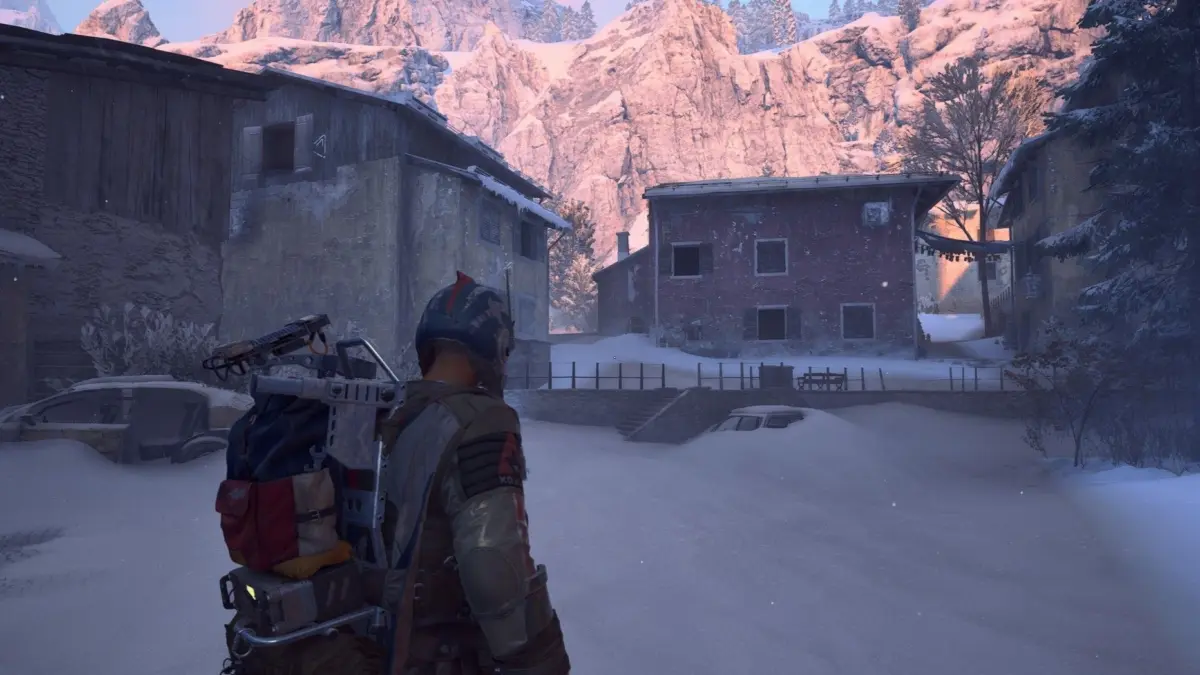
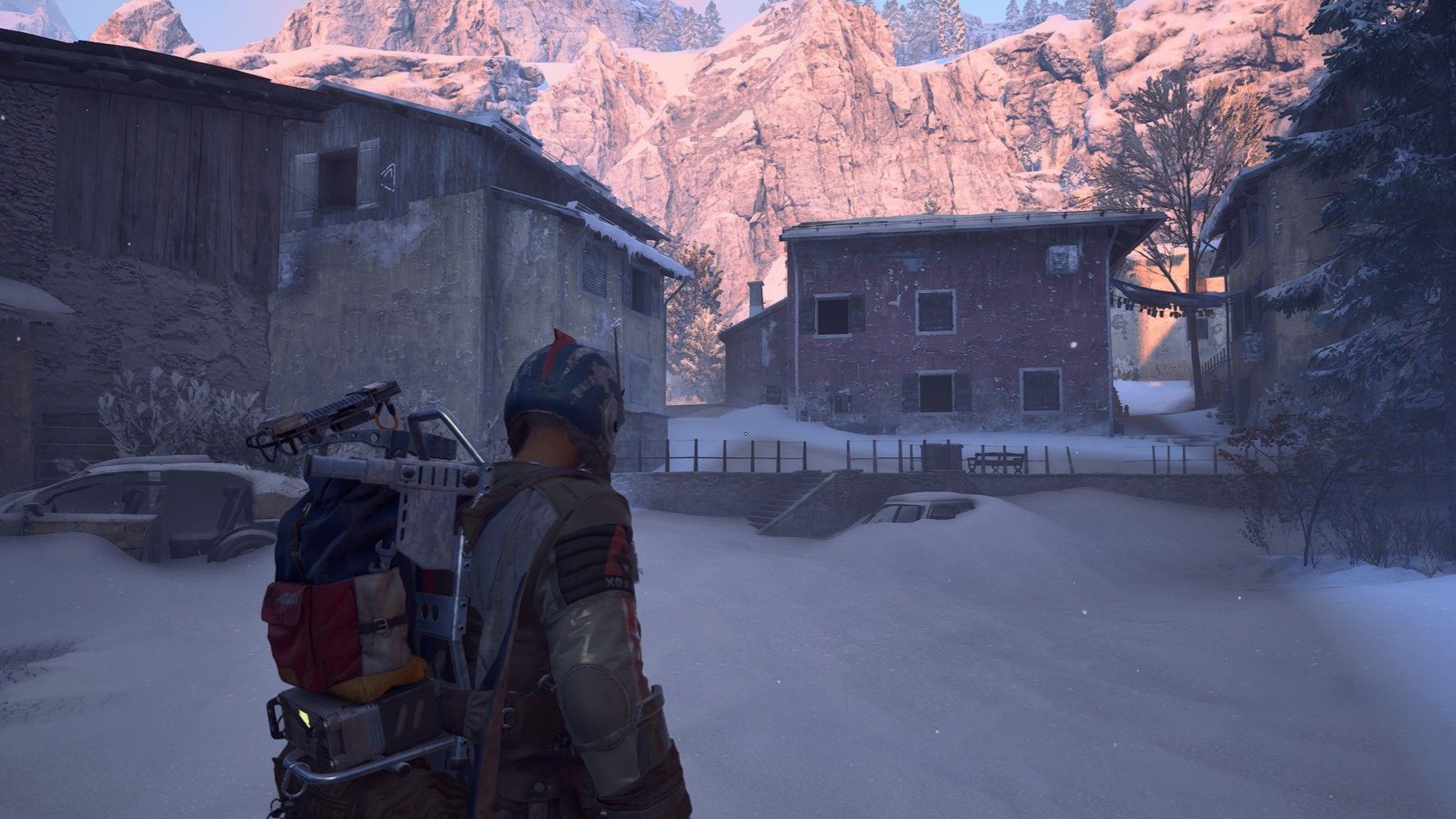
Before you can even begin committing valuable inventory space and time to gathering construction supplies, the game mandates a foundational reconnaissance phase. Players are tasked with exploring the world to locate the Ruined Homestead—a poignant landmark rich in environmental storytelling and tactical significance.
- The Objective: Upon reaching the homestead, players must pull out their camera tool and capture a precise photograph of the location.
- The Reward: Completing this task officially unlocks the next tier of base-building and community progression: the Sheltered Retreat project.
Phase 2: Identifying the Bottleneck
Once the Sheltered Retreat project is unlocked in your log, the reality of resource scarcity sets in. The project demands physical building blocks to fortify the human enclave against ongoing mechanical threats from the ARC.
- Planks: Traditionally associated with residential zones, wooden structures, and civilian remnants of the old world.
- Sheet Metal: Usually tied to technological installations, industrial complexes, and vehicle wreckages.
However, because ARC Raiders utilizes a dynamic loot table where items can technically spawn across a wide variety of containers, relying purely on organic exploration can lead to wasted runs. Players often find themselves returning to base overburdened with low-value junk while missing the specific high-demand materials required to advance the Sheltered Retreat timer.
Phase 3: Streamlining Acquisition via Celeste
Recognizing the friction caused by randomized loot drops, Embark Studios integrated a reliable safety valve into the game’s economy: Celeste. By interacting with this vendor, raiders can trade a modest sum of 24 seeds to outright purchase the required planks and sheet metal.
For players pressed for time or tired of getting ambushed by ARC patrols while rummaging through abandoned kitchens and dilapidated warehouses, this direct-purchase route represents the path of least resistance.
Supporting Context & Metrics: Scavenging vs. Trading
To make informed decisions in ARC Raiders, players must weigh the resource economy, time investment, and risk versus reward of different acquisition methods.
Material Distribution Analysis
While planks and sheet metal can occasionally drop from miscellaneous containers throughout the map, developers have structured specific regional biases into the game’s world design:
- Residential & Old World Sectors (Best for Planks):
- Characteristics: Suburban houses, apartments, furniture stores, and civilian shelters.
- Drop Rate: Moderate-to-high for organic wood components, makeshift tools, and household debris.
- Technological & Industrial Zones (Best for Sheet Metal):
- Characteristics: Factories, warehouses, construction sites, and vehicle depots.
- Drop Rate: Moderate-to-high for refined metals, wiring, plates, and industrial salvage.
The Seed Economy: Is Celeste Worth It?
The most critical metric facing players undertaking the Sheltered Retreat project is resource efficiency. The project requires a relatively small total volume of materials, changing the calculus of how you should spend your gameplay time.
- Seed Investment: 24 seeds total.
- Time Saved: An estimated 2 to 4 extraction runs depending on map RNG, player spawn locations, and survival rates.
- Risk Mitigation: Eliminates the danger of entering high-tier industrial zones where lethal ARC units patrol in packs.
Given that seeds are a relatively common currency earned through standard gameplay loops, bounties, and minor exploration, spending them directly at Celeste is mathematically the most efficient way to clear the Sheltered Retreat project bottleneck.
Official Developer Insights & Design Philosophy
Embark Studios has consistently emphasized player agency and pacing in ARC Raiders. In previous developer logs and community updates, the design team highlighted their intent to balance the tension of high-stakes extraction gameplay with meaningful progression milestones.
The inclusion of multiple pathways to complete objectives—such as choosing between dangerous field-scavenging or safe vendor-trading—is a deliberate design choice. The developers aim to respect the player’s time while maintaining the underlying survival atmosphere. When players hit a progression wall after completing milestones like the Ruined Homestead photography task, having a reliable fallback like Celeste ensures that frustration does not eclipse the fun of exploration and base development.
Furthermore, the environmental storytelling embedded within the Sheltered Retreat project reflects the overarching themes of ARC Raiders: humanity piecing together a future from the rusted, splintered remnants of the past. Every plank nailed into place and every sheet of metal welded onto defensive walls represents a small victory for the resistance.
Future Outlook: What the Sheltered Retreat Means for the Meta
As ARC Raiders continues to evolve through playtests, updates, and community milestones, projects like the Sheltered Retreat offer a window into the game’s long-term endgame loop.
Expanding Base-Building Mechanics
Projects that require specific, targeted resource collection are likely to scale in complexity as the game grows. While current requirements like the 24-seed purchase from Celeste are relatively forgiving, future base expansions may demand rare, highly contested materials that cannot simply be bought off a vendor. Mastering the art of mapping industrial and residential zones now will prepare players for more demanding resource wars down the road.
Community Coordination and Resource Routes
As the player base maps out optimal paths through the ruined landscape, community-driven guides will continue to refine how squads divide labor. One squadmate might specialize in sweeping industrial zones for sheet metal while another clears residential blocks for planks, maximizing efficiency before extraction.
Conclusion
Whether you choose to brave the dangerous corridors of industrial parks for authentic scavenged loot or simply trade your hard-earned seeds directly with Celeste, completing the Sheltered Retreat project is a vital stepping stone in ARC Raiders. By understanding where materials spawn, managing your currency wisely, and keeping a cool head after documenting the Ruined Homestead, you’ll have your base fortified and ready for the next wave of ARC opposition in no time.