In an era defined by corporate algorithms, automated dynamic pricing, and the widespread, often controversial integration of generative AI tools, the fast-food industry has rarely been celebrated for its artistic integrity. Yet, amid slumping sales and an ongoing creative dry spell across multiple consumer sectors, quick-service giant Wendy’s has orchestrated an unexpected cultural pivot. Rather than leaning into the cheap, uncanny valley of AI-generated commercials, the burger chain has channeled its marketing capital into surprisingly authentic artistic collaborations.
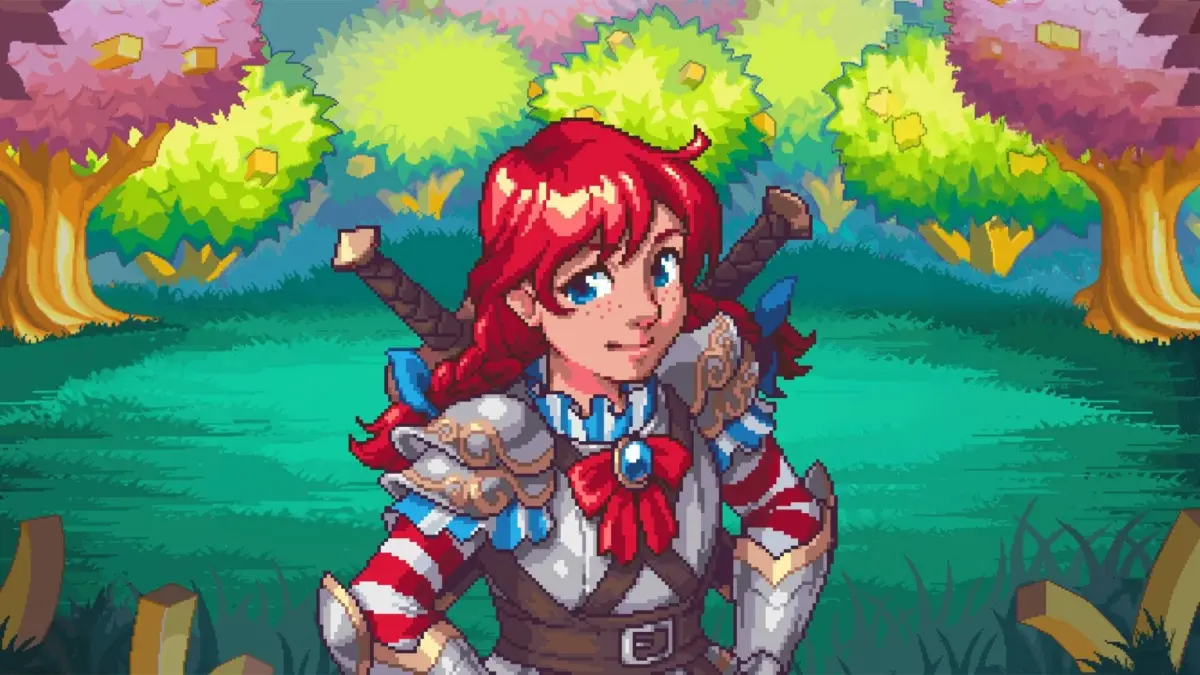
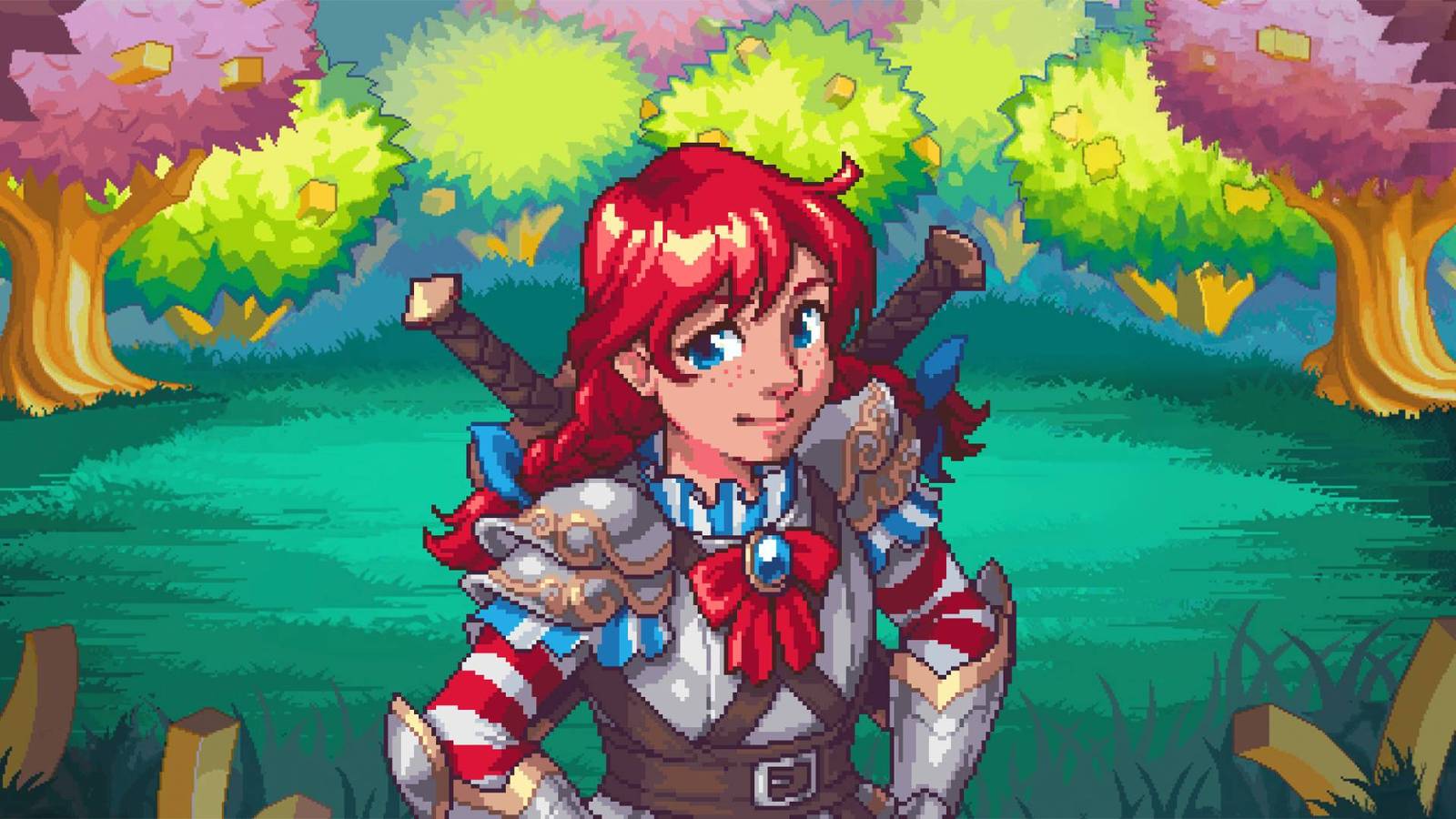
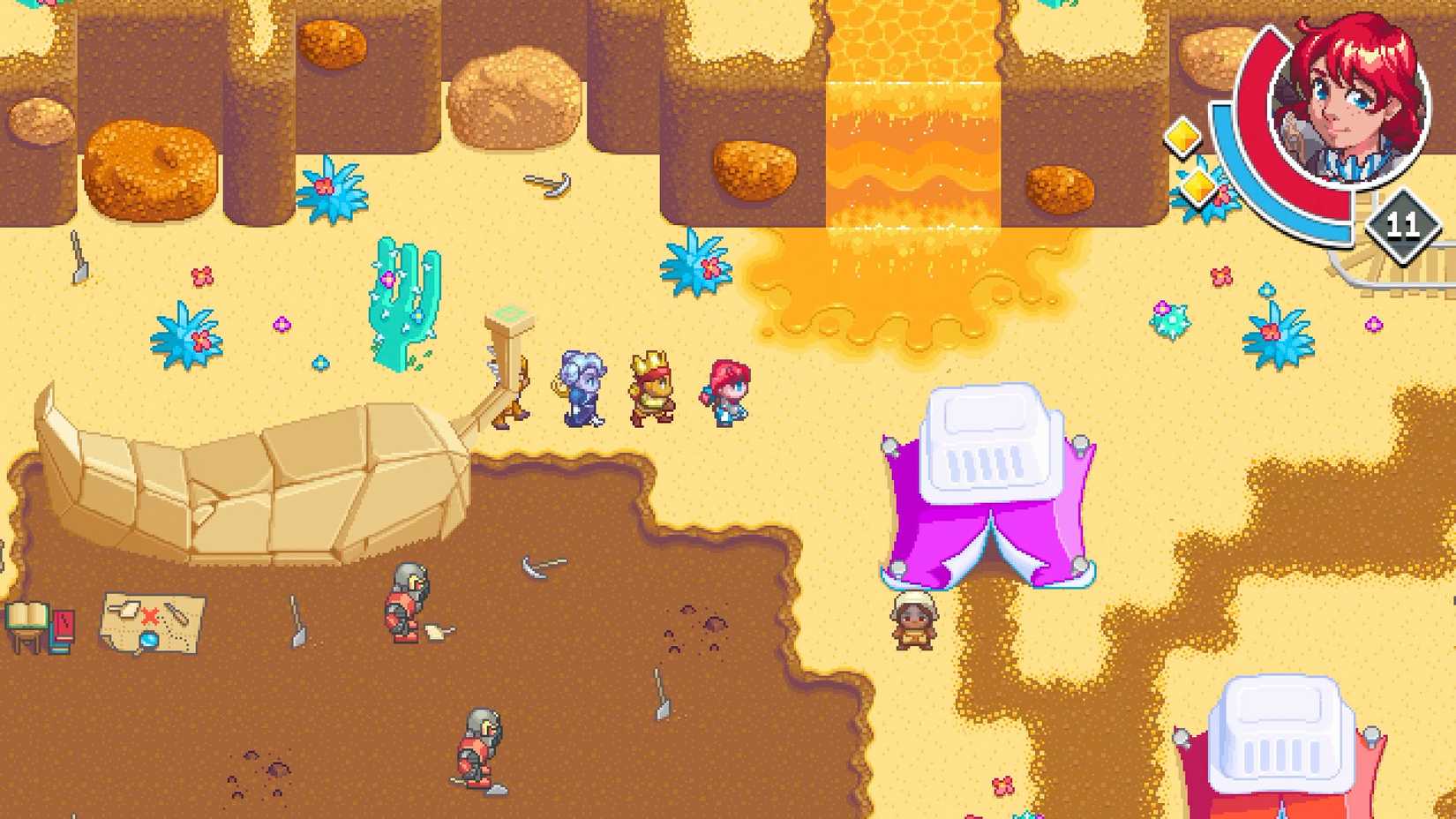
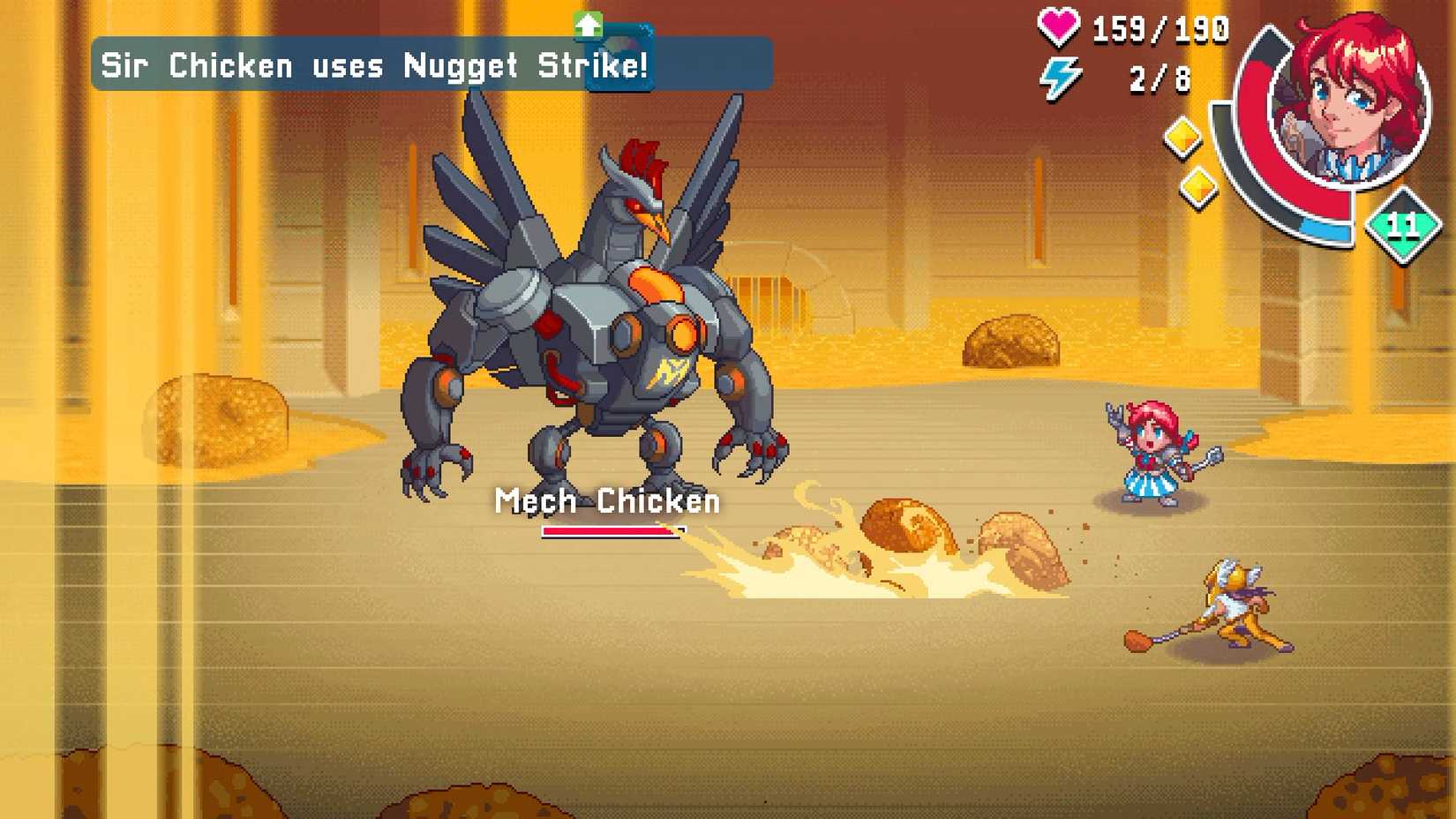
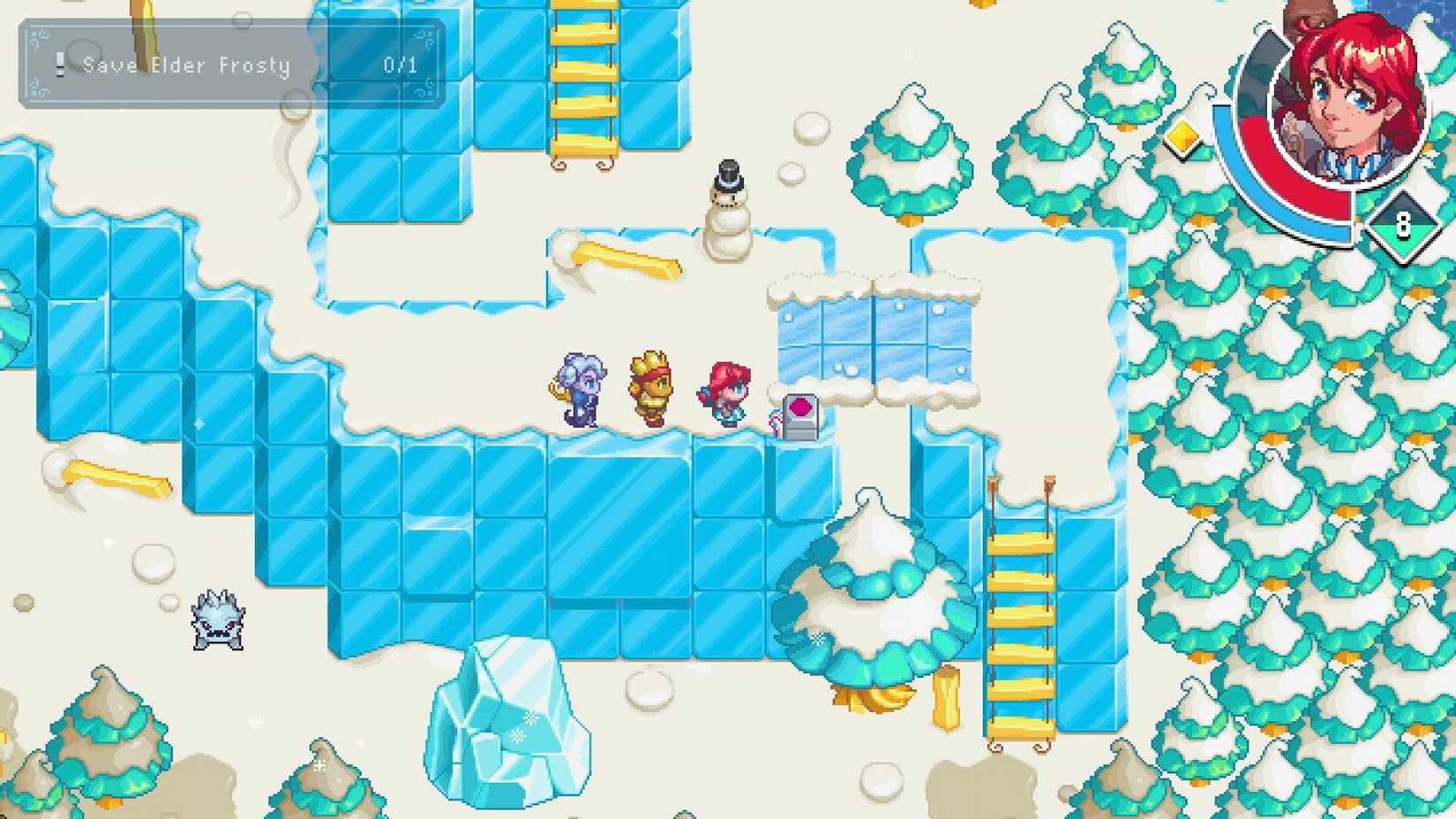
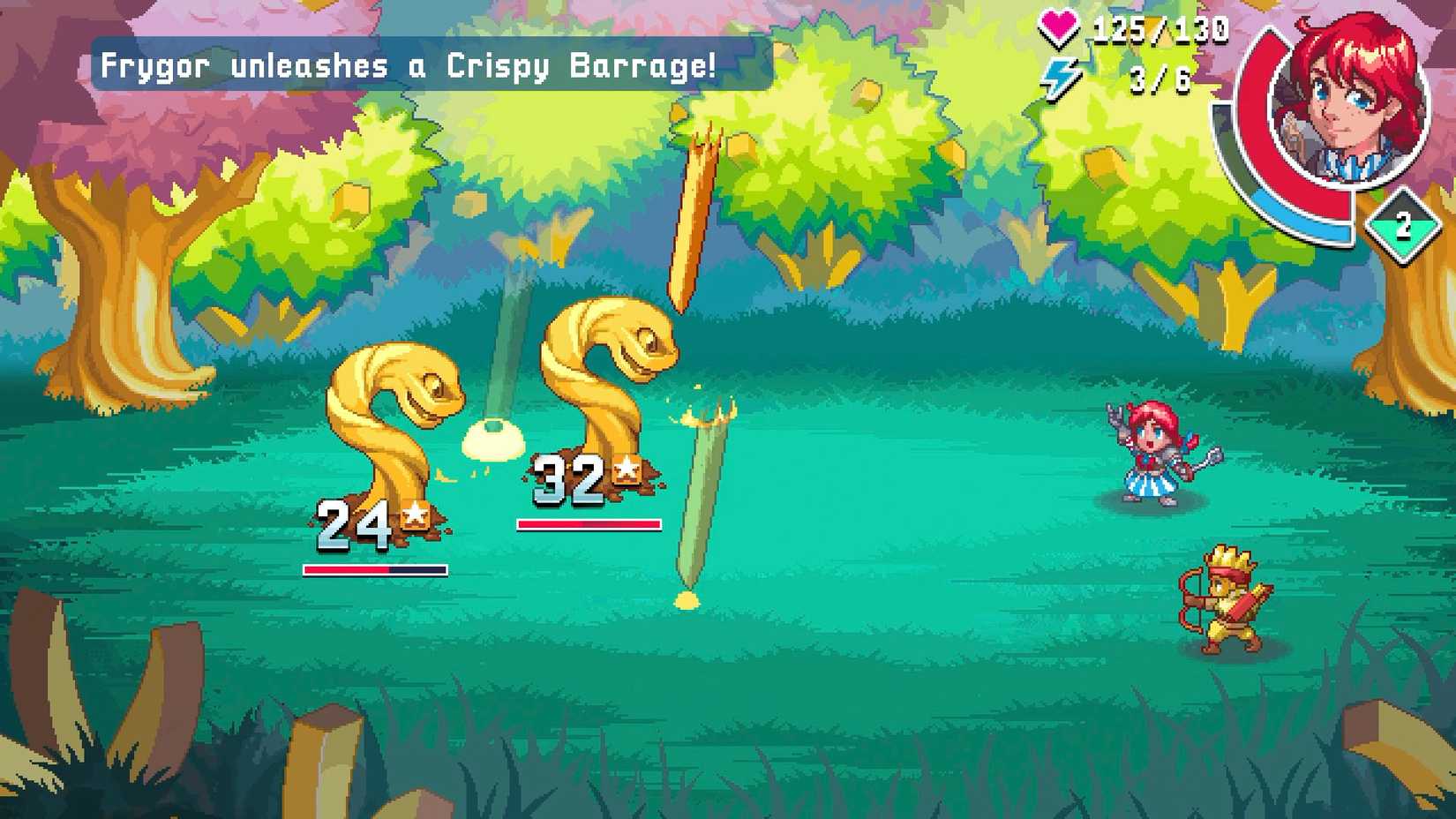
The crown jewel of this unexpected renaissance is WendyQuest: Legend of the Four Corner Stones, a classic 16-bit Japanese Role-Playing Game (JRPG) launched on Steam. Developed by the indie studio 81Monkeys—best known for their ambitious, pixel-art fantasy project World of Anterra—WendyQuest has stunned critics and gamers alike with its genuine wit, tight combat mechanics, and uncompromising 100% human-made ethos.
This deep-dive investigation explores how a financial lifeline from a multi-billion-dollar fast-food corporation rescued a struggling independent game studio, the creative friction and triumph behind the development of WendyQuest, and what this unlikely alliance reveals about the future of independent game development during a historically severe industry funding drought.
Detailed Chronology: From Kickstarter Crunch to Corporate Lifeline
To understand how WendyQuest came to exist, one must look at the precarious state of independent game development in the mid-2020s. For 81Monkeys, the journey began with World of Anterra, a sprawling, systems-heavy pixel-art RPG. While the project successfully secured funding via Kickstarter in 2022, the realities of game development quickly caught up with the team. As ambition grew, the scope of the project swelled, and the financial runway began to rapidly evaporate.
The indie and mid-tier gaming sectors have faced a prolonged drought of traditional funding models since the early 2020s investment gold rush. Stephane Cotichini, founder and game director at 81Monkeys, described the studio’s financial situation as "dire." In a desperate bid to keep World of Anterra alive, Cotichini pitched roughly 60 prospective investors post-Kickstarter—all of whom passed.
Salvation arrived through an entirely unexpected channel: an email submitted via the studio’s standard website contact form.
Initially predisposed to ignore cold outreach, Cotichini opened the message because the sender noted they were fans of the studio’s work. To his astonishment, the prospective partner was Wendy’s. Upon reviewing the concept for a corporate-sponsored JRPG, Cotichini realized his studio was uniquely positioned to execute the vision. Within a single week, the deal was signed. The partnership immediately injected capital into 81Monkeys, enabling the studio to split its team down a 50/50 line: half focusing on WendyQuest, and the other half keeping World of Anterra alive.
Creative Process and Design: Why WendyQuest Actually "Slaps"
Corporate-branded video games—often derided as "advergames"—have a historically grim track record. They are typically rushed, shallow cash grabs designed to push a product rather than offer genuine entertainment. However, WendyQuest: Legend of the Four Corner Stones shattered those low expectations by prioritizing actual gameplay fidelity and comedic timing.
Reimagining Nostalgia
The creative vision provided by Wendy’s marketing team offered a general framework, but translating it into a viable, engaging video game fell entirely on 81Monkeys. Cotichini and his team adhered to a strict design philosophy: nostalgia must feel contemporary, or else it simply feels dated.
While the initial script contained clever concepts—stemming from Wendy’s historically sharp, self-aware social media presence—the writers discovered that marketing copy does not automatically translate to interactive storytelling. Writing a video game requires building a world that feels lived-in and real. Consequently, 81Monkeys’ writers ended up rewriting roughly 99% of the original script.
Gameplay Mechanics and Humor
Esing away from purely turn-based combat, the studio integrated an active-time battle system. A gauge rapidly fills at the bottom of the screen during combat; players must time their button presses precisely as the meter peaks. Pressing too early results in missed or reduced damage, while precise timing yields maximum output. This mechanic prevents WendyQuest from feeling like a generic clone of classic titles, injecting genuine tension into encounters.
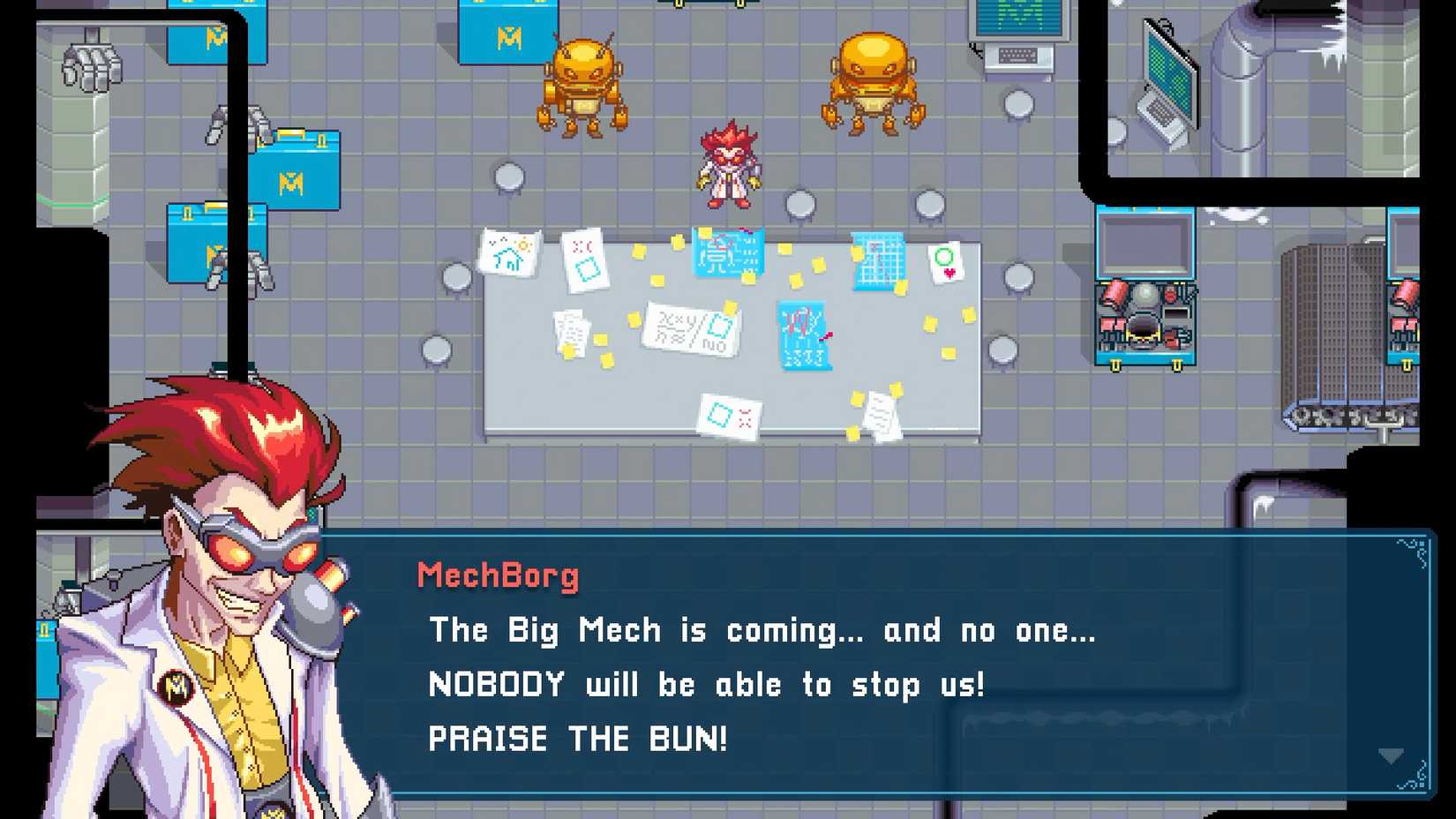
Humor-wise, the game punches well above its weight class. Its jokes-per-minute ratio rivals modern, fast-paced television comedies like Veep or 30 Rock. The game’s villain, Dr. MechBorg, serves as a thinly veiled critique of fast-food industry competitors. Sporting a logo featuring a giant golden "M," MechBorg delivers classic JRPG megalomaniacal monologues: "Sure, sure, serving billions is great," he proclaims, "scalar but it’s time I make billions." He then commands his armies to "cut corners," blending corporate satire with traditional role-playing tropes.
Supporting Context & Metrics: The Human-Made Mandate
One of the most fascinating narratives surrounding WendyQuest is the studio’s adamant refusal to utilize generative artificial intelligence—a stance actively supported by the corporate sponsor.
The AI Backlash in Gaming
In recent years, public sentiment regarding artificial intelligence in creative fields has soured dramatically. Gamers, in particular, exhibit a visceral repudiation of AI-generated assets, frequently prompting major publishers to issue rapid public apologies after backlash. Cotichini noted that when development on WendyQuest began in late 2023, AI was already proliferating, though it had not yet reached its current level of industry saturation.
Recognizing this landscape, Cotichini pushed back against initial industry impulses:
"Initially, they weren’t gonna credit us. I mean, that’s the nature of this type of agreement, right? We’re just a silent partner, we’ll make this game, and then they launch it… But you want people to know that it was 100% human-made by an actual indie studio."
This commitment is proudly emblazoned in bold text across the Steam store pages for both WendyQuest and World of Anterra: "100% human made."
Productivity vs. Productivity Illusion
Interestingly, 81Monkeys experimented with AI tools earlier in World of Anterra’s development for project management and efficiency. However, they quickly discovered that generative tools increased costs and hampered productivity rather than streamlining operations. Cotichini noted that AI often offered convoluted solutions to problems that traditional scripting had already solved efficiently:
"Part of why World of Anterra is as good as it is… is because of the time it took to bring it to life. It’s because of the struggle it took. All of that comes across in the product that ends up being created, and I think that’s essential. So the more AI is used to make a game, the worse the game becomes."
Remarkably, Wendy’s marketing team actively encouraged 81Monkeys to steer clear of AI workflows, prioritizing human-crafted authenticity over algorithmic shortcuts.
Official Statements & Industry Contrast
The success of WendyQuest stands in sharp relief against the broader fast-food industry’s current technological trajectory. While competitors like McDonald’s have courted controversy by implementing dynamic pricing algorithms for Big Macs and testing unsettling, AI-generated advertising campaigns that border on the surreal, Wendy’s chose to invest in human artistry.
This strategy extends beyond gaming. Over the past year, Wendy’s also released Songs to Listen to in a Wendy’s Parking Lot, a post-hardcore and emo-inspired EP featuring tracks written by genuine, critically respected musicians from bands like Anberlin, Blessthefall, Silverstein, and Winona Fighter.
Cotichini argues that the broader creative industries have suffered over the past two decades due to excessive control by corporate bean-counters rather than creative minds, but he senses a cultural pendulum swing:
"I think that creative work in general has gotten watered down over the last couple decades. And the reason is because it became more influenced and controlled by business interest and less by the creative. Now, I actually see a swing the other way."
Future Outlook: A Viable Alternative Funding Model for Indies?
It is easy to view corporate-sponsored art with cynicism. After all, Wendy’s is a multi-billion-dollar enterprise, and WendyQuest is, at its core, a piece of interactive marketing designed to drive consumer engagement and reverse sales slumps.
Yet, pragmatism paints a more nuanced picture. Traditional funding avenues for independent video game developers are drier than they have been in a decade. If major Fortune 500 corporations are going to allocate millions of dollars to annual marketing budgets anyway—dollars frequently wasted on transient digital banner ads or forgettable preroll video clips—directing a fraction of that capital toward keeping independent development studios afloat is a transformative proposition.
Cotichini hopes that WendyQuest will serve as a proof-of-concept for the broader industry:
"The industry’s really suffering right now. Things have never looked more dire… Wendy’s spends some millions of dollars in marketing every year. WendyQuest costs a fraction of that. My hope is that when people see WendyQuest — and that, actually, if a studio cares about a branded game, it can be a really good game — that more brands seek partnerships like we made with Wendy’s. I think that could become an alternate funding source for so many really talented indies in the industry."
As WendyQuest: Legend of the Four Corner Stones finds its footing on Steam, it proves an unexpected truth: when corporate resources meet genuine independent talent—and when both parties commit to a strict, human-made creative vision—even a fast-food mascot can anchor a genuinely compelling adventure.