Executive Overview
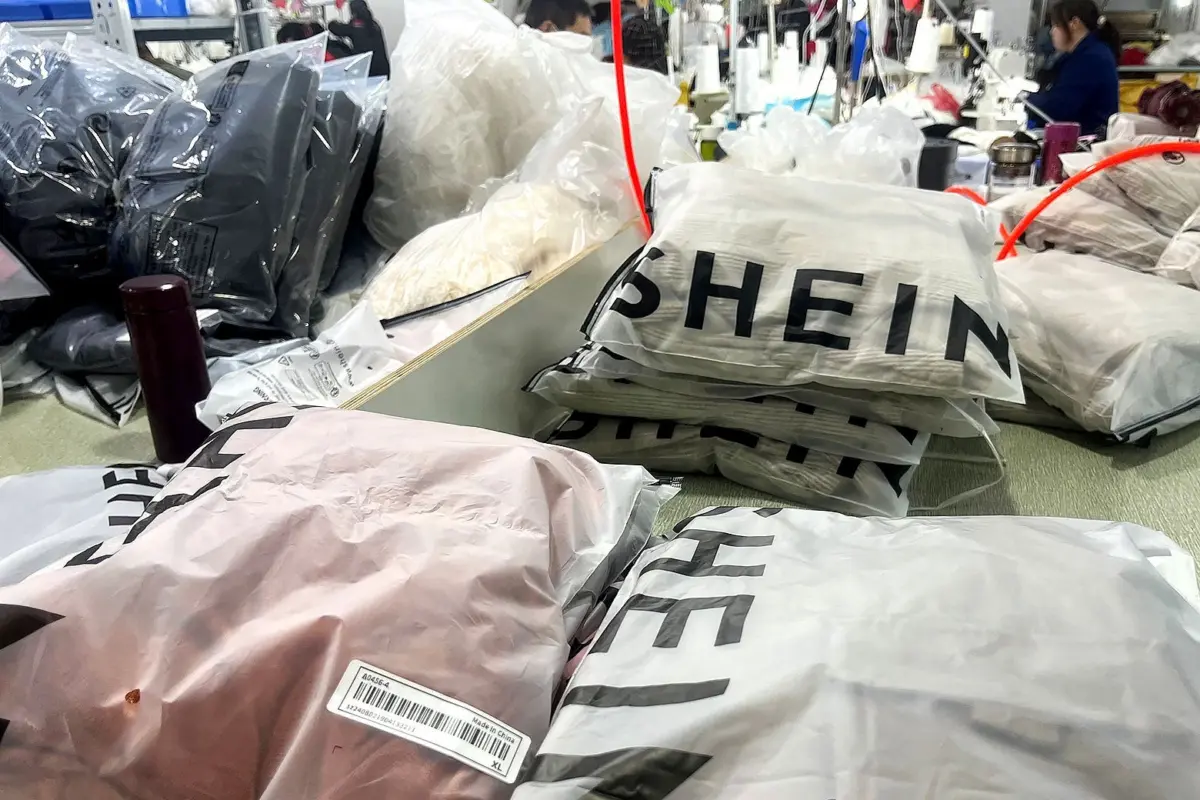
For over a decade, the architecture of modern consumerism was defined by the satisfying snap of a plastic zipper seal, the rustle of translucent mailer bags, and the ubiquitous TikTok caption declaring a cheap, synthetic garment to be "sooo cute." Fast-fashion titan Shein transformed digital shopping into a high-speed, dopamine-driven sport. By capitalizing on algorithmic feeds, ultra-low production costs, and a culture that rewarded endless accumulation—often termed "stuffmaxxing"—the company grew from an obscure digital vendor into a multi-billion-dollar global juggernaut.
Yet, the tide has turned dramatically. When Shein officially debuted on the Hong Kong stock exchange, investors anticipated a blockbuster valuation. Instead, the initial public offering (IPO) was a historic belly-flop, evaporating $5 billion in market value almost immediately. Within weeks, shares plummeted 25 percent below their initial offering price amid underperform ratings and compounding regulatory fines across Europe.
This financial collapse is far more than a corporate stumble; it represents a profound cultural watershed. Consumers are signaling a collective exhaustion with ultra-fast fashion, cheap polyester, and ephemeral microtrends. Confronted by rising living costs, escalating environmental awareness, regulatory crackdowns, and a cultural shift toward timeless, personalized wardrobes, the global market is rejecting the endless cycle of disposable consumption. As shoppers pivot toward rental services, resale platforms, and natural fibers, Shein’s stock market stumble serves as a glaring testament to a new era: consumers are finally craving something much more substantive than a $5 polyester skirt.
Detailed Chronology: From Viral Hauls to Market Freefall
The rise and stumbles of Shein cannot be understood without examining the chronological marriage of digital platform evolution and aggressive supply-chain capitalism.
The Rise of the Algorithm (2008–2020)
Founded in 2008, Shein initially operated in the shadows of the e-commerce landscape, quietly building an infrastructure capable of producing microscopic batches of clothing and scaling them up based on real-time data analysis. Long before it dominated the public consciousness, the brand leveraged early digital marketing avenues, experimenting with influencer collaborations and giveaways across Facebook, Instagram, and Pinterest.
However, the company’s true golden age arrived with the explosive popularity of TikTok. As short-form video algorithms captured the attention of Gen Z and younger millennials, Shein integrated seamlessly into the platform’s DNA. The "Shein haul" became a ubiquitous digital ritual. Creators opened mountainous piles of packages, holding up synthetic tops, skirts, and dresses to the camera. This frictionless loop of discovery and purchase cemented Shein as the world’s largest online fashion retailer, fueling an insatiable appetite for novelty.
The Peak of Microtrends (2020–2023)
During the height of the COVID-19 pandemic, digital consumption reached a fever pitch. Shein weaponized its agile supply chain to manufacture hundreds of thousands of distinct designs every year, drastically outpacing traditional fast-fashion heavyweights like Zara, H&M, and Boohoo.
This era was characterized by hyper-accelerated microtrends. Items such as cropped sleeveless knit vests, cow-patterned denim, and mesh tops printed with kitsch cherubs went viral, saturated every feed on the internet, and were discarded within a single month. The status symbol of the era was sheer volume—owning as many distinct items as possible to feed the algorithm’s insatiable demand for fresh content.
The Turning Point and Regulatory Squeeze (2024–2026)
Cracks in the foundation began to widen significantly between 2024 and 2026. Global economic pressures, including post-pandemic inflation and a surging cost of living, forced consumers to scrutinize their discretionary spending. Simultaneously, a cultural backlash against synthetic materials took root online. Terms like "timeless wardrobe" hit all-time search highs on Google by April 2026, while "polyester" transformed from a convenient fabric choice into a social media pejorative synonymous with low quality, environmental degradation, and microplastic pollution.
Externally, the geopolitical and regulatory landscape turned hostile. The implementation of stricter trade policies—most notably targeted tariffs on low-value parcels championed by the Trump administration—eroded Shein’s pricing advantages. Fuel shortages and supply chain bottlenecks further compressed profit margins. Furthermore, international watchdogs zeroed in on the company’s business practices. Regulatory bodies in Europe levied heavy financial penalties against the retailer, including a €22 million fine from France and a €1 million fine from Italy over misleading environmental claims and consumer law breaches.
The Hong Kong IPO Flop (August–September 2026)
Against this backdrop of tightening margins, regulatory investigations, and shifting consumer sentiment, Shein made its long-awaited debut on the Hong Kong stock exchange at the beginning of August 2026. Institutional investors, wary of the brand’s long-term viability in a changing regulatory and cultural climate, gave the offering a lukewarm reception at best.
The IPO devolved into a massive financial disappointment. Shein immediately shed $5 billion in market value, and by early September, shares languished 25 percent below their introductory price. The market had spoken: the era of unchecked ultra-fast fashion dominance was facing an existential reckoning.
Supporting Context & Metrics: The Mechanics of Modern Consumption
To fully grasp the magnitude of Shein’s market correction, one must analyze the broader economic, environmental, and behavioral data driving the shift in contemporary consumer culture.
The Economics of "Stuffmaxxing"
The psychological underpinnings of the early 2020s e-commerce boom relied on what cultural critics have dubbed "stuffmaxxing"—the intentional maximization of physical possessions as a form of digital currency and emotional soothing. Platforms like TikTok Shop and competitors such as Temu capitalized on this desire, expanding beyond apparel into bizarre novelty items: weighted walking vests, silicone Stanley cup attachments designed to mimic bird-feeders, at-home red light therapy masks, and curated "lucky scoop" mystery boxes.
Yet, this hyper-accumulation model proved economically and ecologically fragile. As the marginal utility of owning dozens of low-quality items diminished, consumers grew weary of accumulating clutter that offered no long-term durability.
Fabric Consciousness and the Fall of Polyester
The material composition of fast fashion has become a central battleground for modern shoppers. For years, petroleum-derived synthetic fibers—chiefly polyester, nylon, and acrylic—served as the cheap, elastic foundation of the fast-fashion industry.
By 2026, however, scientific studies linking synthetic clothing to microplastic shedding, combined with rising skin-health awareness, triggered a mass movement toward natural fibers like cotton, linen, wool, and silk. Google search trends for durable, natural, and sustainable apparel skyrocketed, leaving brands reliant on synthetic materials scrambling to rebrand. Even desperate attempts by niche influencers to market "100 percent cotton Shein hauls" highlighted the absurdity of trying to force legacy fast-fashion business models into a newly conscious market ecosystem.
The Sustainability and Labor Crisis
Shein’s business model has long been dogged by severe ethical controversies. Independent investigations and regulatory reports have repeatedly highlighted:
- Labor Violations: Documented instances of exploitative sweatshop conditions, excessive working hours, and sub-standard safety protocols within the company’s vast third-party manufacturing network.
- Environmental Degradation: Surging carbon emissions linked to the constant air-freighting of individual packages directly from Chinese factories to consumers worldwide.
- Intellectual Property Theft: Numerous lawsuits from independent designers and small businesses accusing Shein of scraping designs and mass-producing unauthorized copies.
These compounding ethical failures transformed shopping at Shein from a casual bargain hunt into a socially stigmatized act, alienating conscientious consumers who increasingly prioritize ethical transparency.
Official Statements and Industry Analysis
The juxtaposition between Shein’s corporate projections and market realities highlights a deep disconnect between executive ambitions and consumer sentiment.
In its official IPO filings submitted to regulatory authorities, Shein leadership acknowledged the severe headwinds impacting their financial trajectory. Executives pointed to escalating international trade tariffs, rising shipping and fuel costs, and aggressive regulatory fines in major Western markets as primary catalysts for compressed profit margins. The company has continuously attempted to pivot its public image, emphasizing supply chain optimizations, localized manufacturing hubs, and temporary forays into higher-quality material sourcing to appease skittish investors.
However, independent market analysts remain deeply divided. While some financial institutions argue that Shein’s core demographic of ultra-budget-conscious shoppers remains intact—bolstered by the continued growth of alternative ultra-fast platforms like Cider and Temu—others view the Hong Kong stock performance as a terminal warning sign.
Financial analysts note that the stigma attached to Shein’s brand identity has created a reputational moat that capital cannot easily bridge. As retail strategist reports indicate, modern consumers are increasingly distributing their fast-fashion spending across a diverse array of alternative platforms that lack Shein’s specific toxic reputation, leaving the market pioneer uniquely vulnerable.
Future Outlook: Where Retail Goes From Here
The stumbling of Shein’s market valuation does not signal the death of fashion consumption; rather, it marks a structural evolution in how consumers wish to interact with the retail ecosystem.
The Rise of Circular and Alternative Models
As traditional fast fashion faces diminishing returns, alternative sectors are experiencing unprecedented booms. Young consumers are increasingly turning to online clothing rental services and digital resale marketplaces to satisfy their desire for novelty without the environmental and physical burden of accumulation. Platforms that enable peer-to-peer resale allow shoppers to experiment with trend cycles while maintaining the option to recoup financial value, transforming clothing from disposable waste into a circulating asset.
The Shift Toward Intentional Curation
The pendulum is swinging definitively away from anonymous, hyper-cheap mass production and toward hyper-personalization, artisanal quality, and distinct curation. The contemporary status symbol is no longer owning hundreds of viral items that look identical to millions of other feeds; it is owning rare, vintage, or thoughtfully crafted pieces that defy algorithmic replication.
Conclusion
Shein’s turbulent public market debut serves as a mirror reflecting a broader cultural exhaustion. The early 2020s obsession with frictionless accumulation, synthetic throwaway garments, and endless digital hauls has hit a brick wall built from economic reality, environmental consciousness, and a deep-seated desire for authenticity.
Whether Shein can successfully re-engineer its brand identity remains to be seen. But one truth stands immutable: the modern consumer has evolved past the allure of the cheap polyester skirt, demanding an industry that values quality, ethics, and individuality over the hollow promise of endless plastic-wrapped stuff.