Executive Overview
In the sprawling, simulation-heavy landscape of deep-future science-fantasy roguelikes, few titles have achieved the sheer density and systemic complexity of Caves of Qud. Crowned as the preeminent roguelike experience, the game has long celebrated a culture of structural absurdity, allowing players to evolve from conventional human wanderers into multi-armed, psionic monstrosities wielding weapons fueled by arterial blood and cosmic anomalies.
Yet, for developer Freehold Games and publisher Kitfox Games, the horizon of weirdness is boundless. The upcoming expansion, titled Diaspora, aims to redefine the boundaries of what is possible within the game’s simulation engine. Scheduled to enter Early Access on Steam on December 9, Diaspora introduces a radical paradigm shift to character creation, ecosystem simulation, and narrative progression. Most notably, the expansion adds fully playable botanical lifeforms, allowing players to step into the roots of sapient trees—and, counterintuitively, mutate into humanoids.
This comprehensive report examines the structural implications of the Diaspora expansion, exploring its roadmap, systemic additions, the philosophy of its development cycle, and what this monumental update means for the ongoing evolution of one of the PC platform’s most revered indie triumphs.
Detailed Chronology & Release Trajectory
The journey toward the Diaspora expansion represents the next logical phase in the lifecycle of Caves of Qud, which spent years refining its simulation architecture in Early Access before its official 1.0 commercial launch. The announcement of Diaspora signals that the developers have no intention of slowing down the expansion of Qud’s post-apocalyptic lore and systemic mechanics.
The December 9 Early Access Rollout
When Diaspora debuts on Steam on December 9, it will drop players directly into a new wave of content centered on the influx of riotous life and culture bleeding into the marsh-moated ruins of Qud. Rather than dropping a complete, monolithic expansion all at once, Kitfox Games and Freehold Games are utilizing the Early Access model to iterate dynamically alongside the community.
According to development roadmaps, the initial Early Access deployment will focus heavily on establishing foundational mechanics:
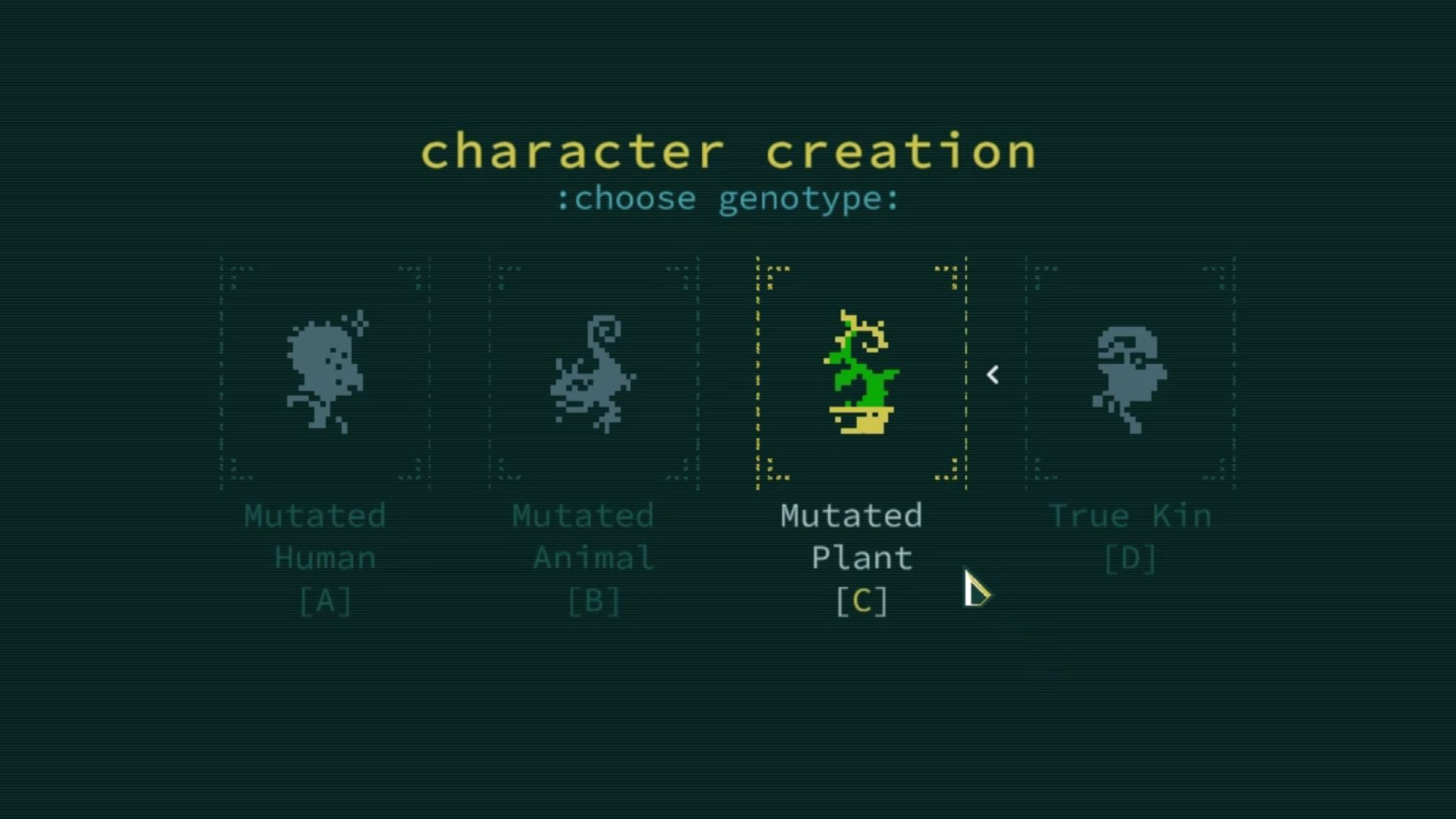
- New Genotypes and Stocks: The introduction of Mutated Animal and Mutated Plant starting archetypes.
- Artifact and Creature Integration: A fresh wave of entities, environmental hazards, and technological artifacts seeded throughout the world map.
- Mount Mechanics: The long-awaited implementation of mountable saltback tortoises for camelfolk trade caravans.
The One-Year Development Horizon
The initial drop is merely the prologue. Freehold Games has estimated that the Diaspora Early Access development cycle will span roughly one calendar year. This extended window will allow the development team to roll out complex systemic additions in phases:
- Phase One (Initial Launch): Core stocks, basic mutations, initial creatures, and mounted caravan mechanics.
- Phase Two (Mid-Cycle Additions): Introduction of new factions, underground settlements, and roaming, seasonal mega-caravans.
- Phase Three (Late-Cycle Polish & Narrative): Implementation of a multi-step, overarching questline and the incorporation of deeply idiosyncratic biological features, such as new fungal infections.
Supporting Context & Metrics: The Anatomy of Qud’s Simulation
To understand why Diaspora is generating profound enthusiasm within the roguelike community, one must analyze the mathematical and systemic depth that underpins Caves of Qud. The game operates on a deeply procedural simulation philosophy, where every NPC, item, and tile possesses specific physical attributes, factions, and relational values.
The Mechanics of Identity and Mutation
In the base game, character creation is divided into two primary philosophies: True Kin (genetically pure humans with access to advanced biotechnology) and Mutants (beings warped by the historic Spindle Wars, granting them customizable physical and mental mutations).
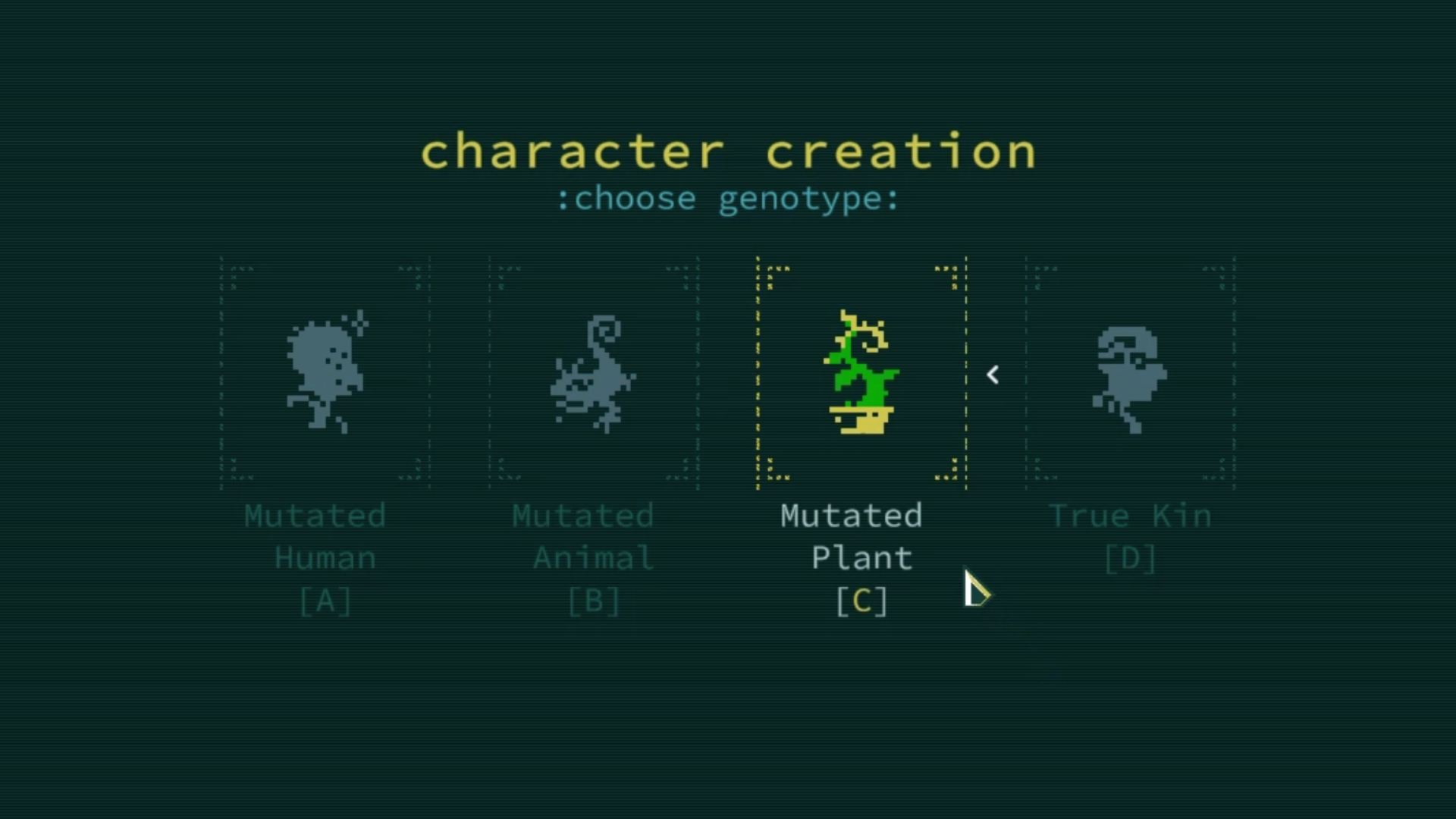
Historically, mutations were acquired or progressed inward—a human character could develop biological traits mimicking animals or plants via in-game mutations, ESP, and radiation exposure. Diaspora completely flips this script via structural symmetry. By introducing Mutated Plant and Mutated Animal stocks as baseline selectable genotypes, players can begin their journeys as sentient flora.
From a simulation standpoint, this requires the game engine to account for entirely different baselines of movement, metabolic processes (or lack thereof), and interaction paradigms. A tree does not navigate the world in the same manner as a bipedal human. Consequently, the addition of playable plants necessitates new animation logic, status effect adjustments, and ecological interactions. Furthermore, the capacity for a botanical character to mutate into a humanoid form—or a chimeric amalgam featuring wings, scorpion tails, and arboreal bark—demonstrates the game’s commitment to emergent, chaotic character building.
Ecological Expansion and World Simulation
Qud’s world is characterized by its decaying grandeur, where salt flats, jungle canopies, and subterranean ruins collide. Diaspora leans heavily into this environmental dynamism by transforming the socio-ecological landscape:
- Camelfolk Caravans: The nomadic trade networks that traverse Qud are receiving a major mechanical overhaul. Saltback tortoises, previously functioning merely as ambient wildlife or caravan beasts of burden, can now be actively mounted by players. This alters overland travel logistics, combat engagement ranges, and inventory management.
- Roaming Mega-Caravans: Seasonal, migratory factions will dynamically alter the economic and territorial control of the map, ensuring that the world feels less static and more responsive to the passage of time.
Official Statements & Developer Insights
Publisher Kitfox Games and the development team at Freehold Games have framed Diaspora as an exploration of biological overflow. In official press communications, Kitfox noted that the expansion "includes several new feature arcs centered around the influx of riotous life and culture into marsh-moated ruins of Qud."
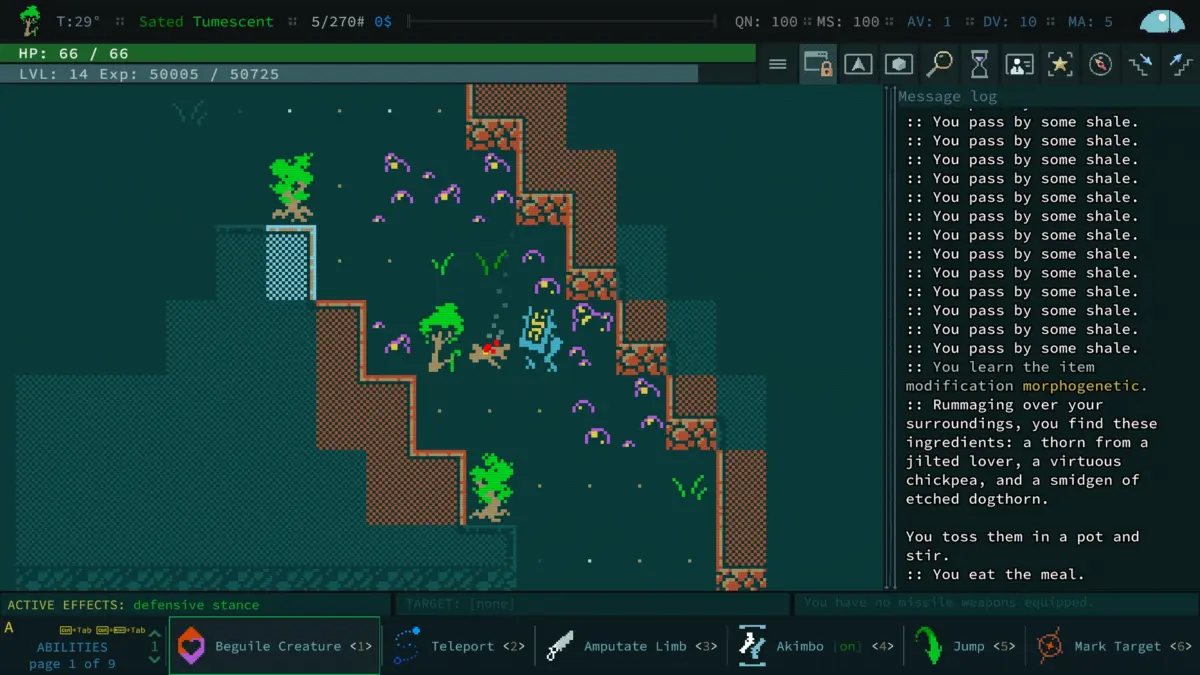
The design philosophy emphasizes player agency through systemic absurdity. Rather than restricting the player to traditional fantasy archetypes, the developers continually lean into the grotesque and the magnificent. The ability to play as a sapient tree that cooks meals over an open campfire—as highlighted in early promotional materials—encapsulates the surreal tone of the franchise.
Moreover, the inclusion of esoteric biological anomalies remains a hallmark of the team’s creative output. The promise of "new fungal infections" points directly to the game’s cult-favorite affliction system. In Caves of Qud, contracting a parasite or fungal growth is not merely a stat penalty; it is an active narrative roommate. For instance, the infamous "mumble mouth" skin infection grants the player a collection of tiny, sentient mouths that periodically offer fragmented, harmonized prophecies and world lore. By expanding this catalog of symbiotic body horror, the developers are doubling down on the mechanics that separate Qud from conventional fantasy RPGs.
Future Outlook: The Horizon of Diaspora
As Caves of Qud: Diaspora approaches its December 9 Early Access launch on Steam, the indie development community is watching closely. The game has already cemented its legacy as a masterclass in procedural generation and deep-simulation roleplaying. Diaspora serves as a stress test for how much complexity a single game engine can comfortably sustain without buckling under the weight of its own systemic ambition.
Over the coming year, as Freehold Games rolls out new factions, multi-tiered questlines, and subterranean villages, the scope of Qud will grow exponentially wider. For veterans of the salt flats and newcomers eager to experience the trials of arboreal evolution alike, Diaspora promises to push the boundaries of imaginative storytelling in video games.
Whether you choose to walk the earth as a winged pine tree with a venomous tail, or simply seek to barter with nomadic tortoise-riders across the rust-choked deserts, Caves of Qud: Diaspora ensures that the deep-future wasteland will remain as unpredictable, baffling, and endlessly fascinating as ever.