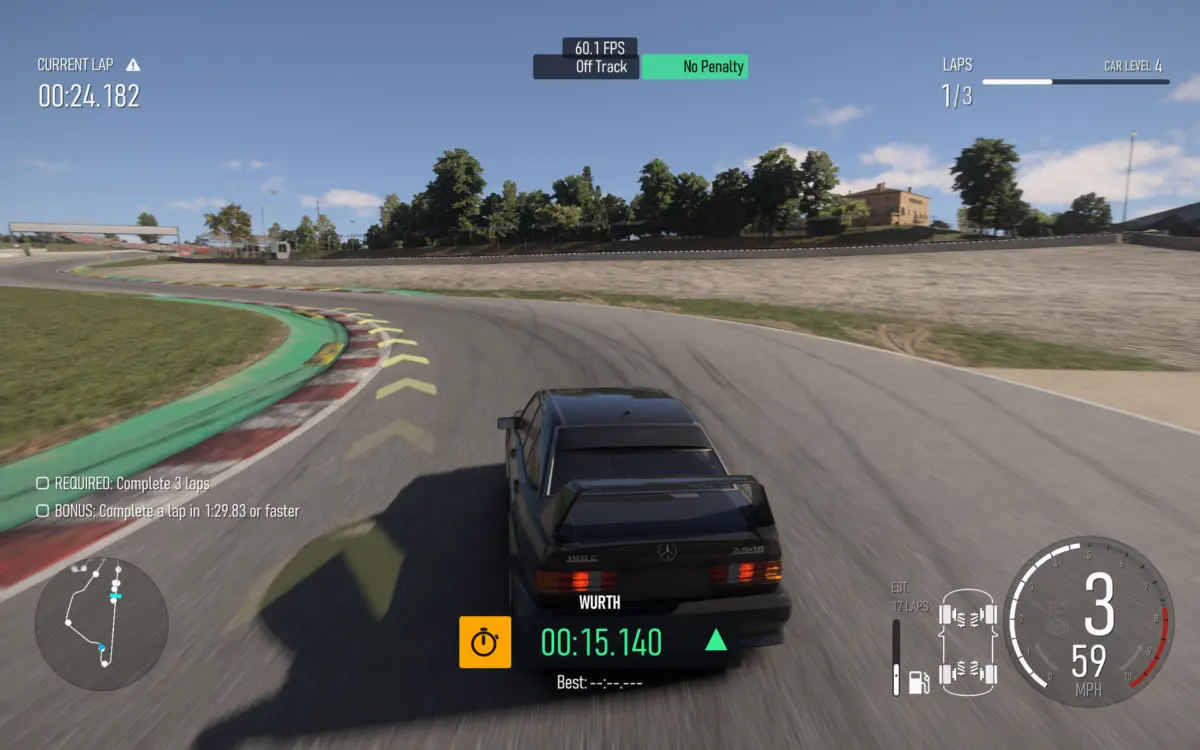
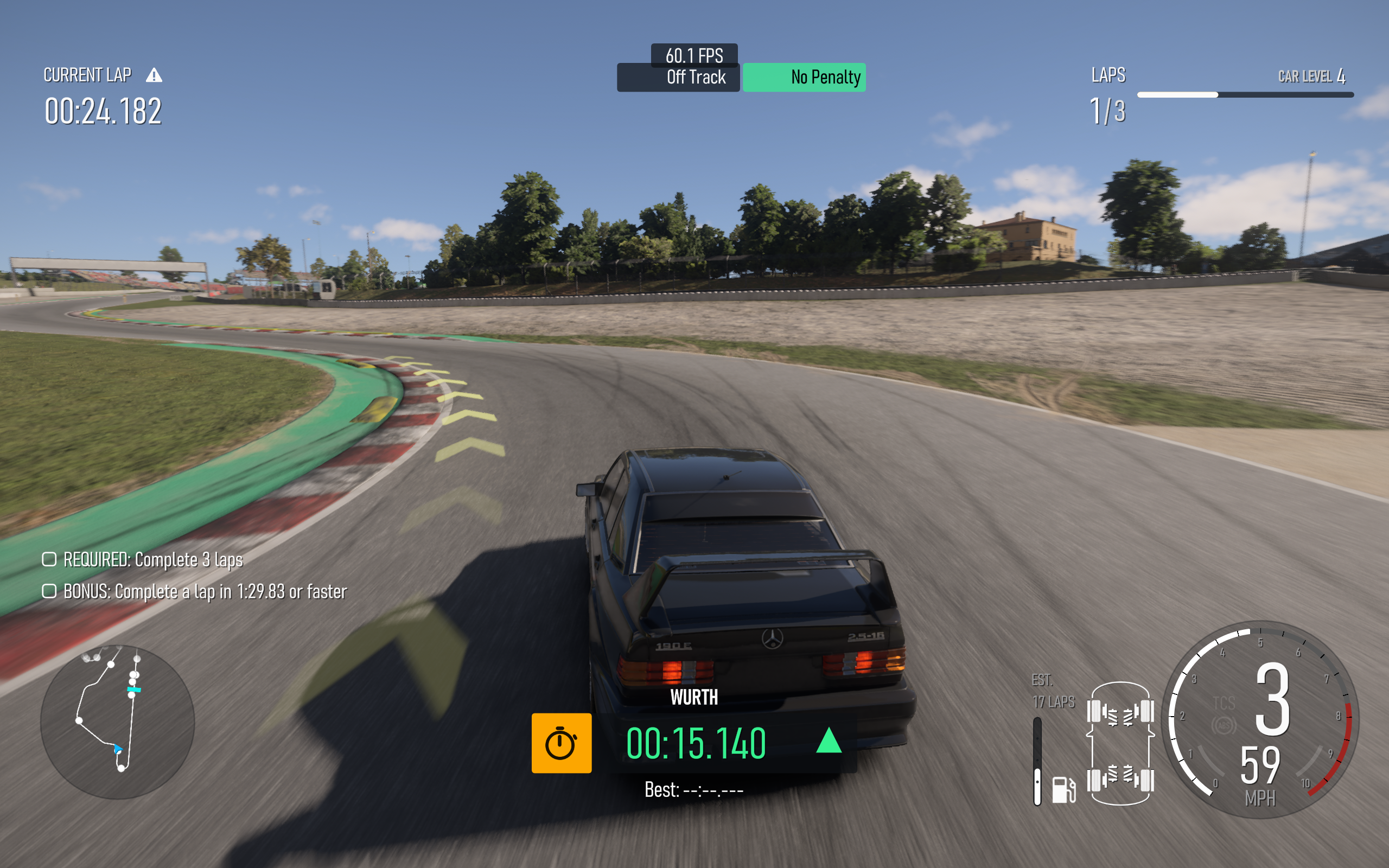
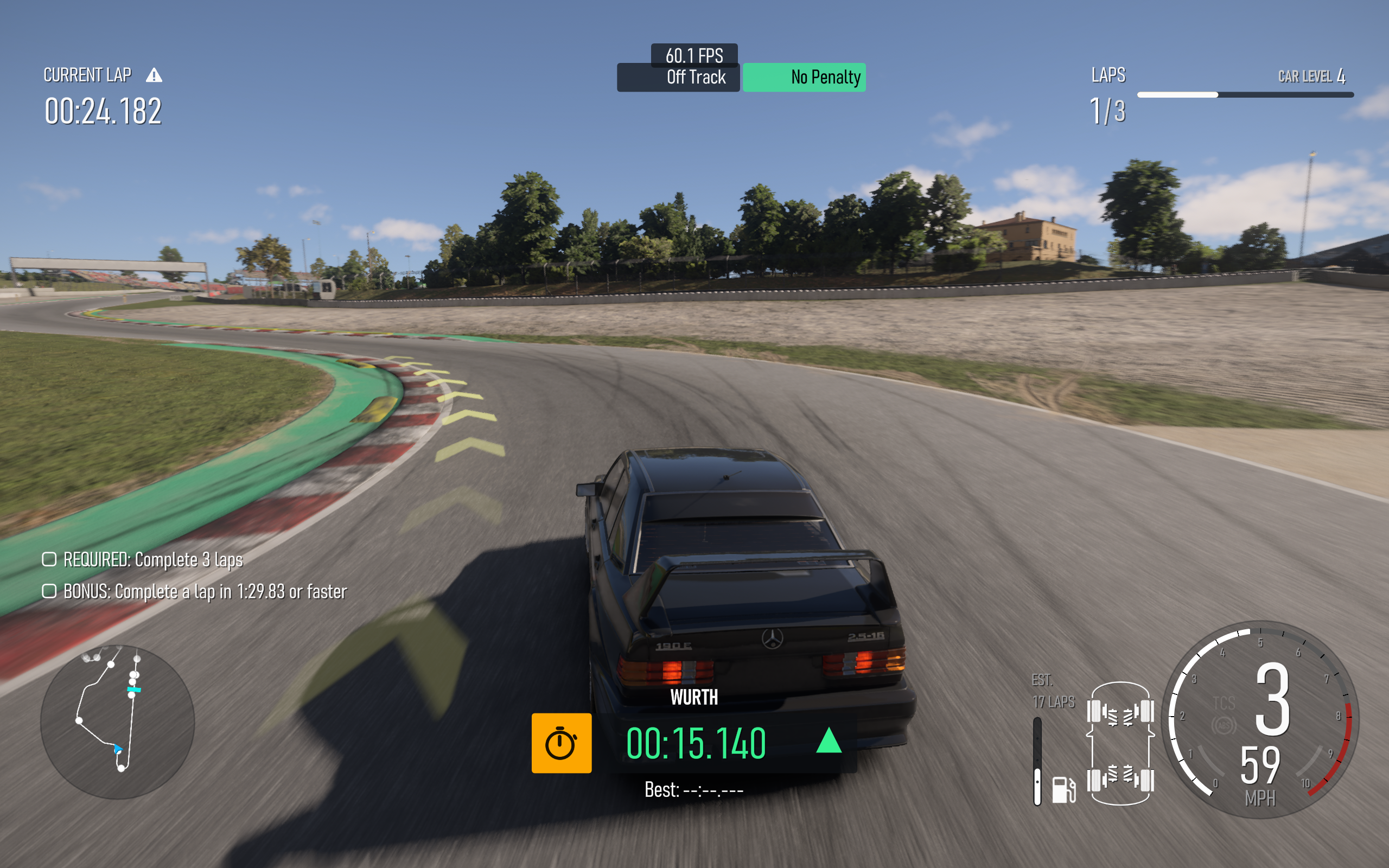
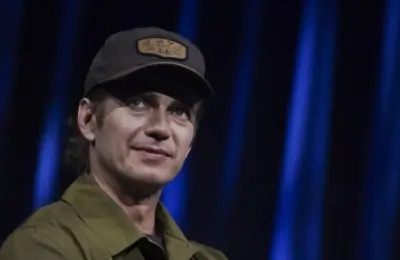
The video game industry is undergoing a period of profound restructuring, and few recent departures symbolize the shifting landscape quite like this one. Dan Greenawalt, the visionary studio head of Turn 10 Studios and co-creator of the critically acclaimed Forza racing franchise, is retiring after a monumental 27-year tenure at Microsoft.
Greenawalt’s departure, revealed through internal communications shared by Playground Games Studio Head Trevor Williams, marks the end of an era for Xbox’s premier racing division. Over more than two and a half decades, Greenawalt transitioned from shipping iconic titles on the original Xbox console to building one of the most commercially successful and technologically advanced racing simulations in history.
However, Greenawalt’s exit does not happen in a vacuum. It arrives amidst a turbulent wave of corporate reorganization at Microsoft. The technology giant announced sweeping structural changes that include the consolidation of its primary racing entities—Turn 10 Studios and Playground Games—into a single, unified organization. Concurrently, Microsoft confirmed broader corporate alignments that involve merging Obsidian Entertainment into Bethesda, transferring the storied Halo franchise’s oversight to Activision, and eliminating 268 jobs across its gaming division.
As the gaming industry grapples with ballooning development costs, shifting consumer habits, and aggressive corporate consolidation, the departure of a foundational figure like Greenawalt signals a fundamental changing of the guard for Xbox’s first-party studios.
Detailed Chronology: 27 Years of Accelerating Xbox Racing
To understand the weight of Dan Greenawalt’s retirement, one must look back at a career intertwined with the evolution of interactive entertainment and the hardware generations of Microsoft’s Xbox brand.
The Early Days and Project Gotham Racing (2001)
Greenawalt’s journey with Microsoft began long before the Forza name became a household brand. In the late 1990s and early 2000s, racing games were heavily arcade-focused or occupied niche simulation corners on PC. When Microsoft prepared to launch its inaugural hardware entry into the console market—the original Xbox—Greenawalt was instrumental in bringing high-octane vehicular experiences to the platform.
His early credits include vital developmental work on Project Gotham Racing (PGR), released in 2001. PGR redefined arcade racing by introducing the "Kudos" system, rewarding stylish driving rather than just crossing the finish line first. The game was a critical launch window success that proved the original Xbox could compete head-to-head with Sony’s dominant PlayStation 2.
Founding Turn 10 Studios and the Birth of Forza (2003–2005)
Building on the success of Project Gotham Racing, Greenawalt recognized a glaring gap in Microsoft’s first-party portfolio: a direct, ultra-realistic competitor to Sony’s runaway phenomenon, Gran Turismo. In 2003, he spearheaded the founding of Turn 10 Studios in Redmond, Washington, operating with a mission to build a world-class racing simulation from the ground up.
In 2005, Turn 10 released the original Forza Motorsport on the original Xbox. The title was celebrated for its deep vehicle customization, realistic physics engine, and the revolutionary Drivatar technology—an early machine-learning system that learned individual player behaviors to populate races with realistic opponents.
Expanding the Franchise: From Simulation to Open-World Horizon
Under Greenawalt’s leadership, Turn 10 transformed Forza from a traditional track-based simulator into a multi-billion-dollar franchise. While the core Motorsport series catered to hardcore motorsport enthusiasts, Greenawalt championed a partnership with UK-based developer Playground Games to launch Forza Horizon in 2012.
Forza Horizon traded closed circuits for a sprawling, music-festival-themed open world. The gamble paid off spectacularly. The Horizon series quickly eclipsed the core Motorsport titles in both critical acclaim and commercial reach, becoming the defining open-world racing sandbox of the modern era.
Over the years, Greenawalt became a familiar face to millions of gamers worldwide. He was a regular fixture on Microsoft’s E3 conference stages, frequently making dramatic entrances behind the wheel of exotic supercars to announce the latest iteration in the franchise.
Supporting Context & Metrics: The Anatomy of a Corporate Restructuring
Greenawalt’s exit is inextricably linked to a broader organizational overhaul initiated by Microsoft Gaming. In September, leadership announced a series of structural integrations designed to streamline operations, reduce redundancy, and centralize intellectual property.
The Turn 10 and Playground Games Merger
The most significant operational shift for the racing division is the formal merger of Turn 10 Studios and Playground Games into a single cohesive entity. For years, the two studios operated semi-autonomously: Turn 10 focused on the core Motorsport track engine, while Playground crafted the open-world Horizon adventures.
However, industry winds had already begun shifting following the 2023 reboot of Forza Motorsport. Despite high expectations, the 2023 title struggled to capture the sustained player retention of its open-world sibling. In the wake of previous corporate streamlining rounds, former developers noted that Turn 10 had effectively transitioned into a support studio for Playground’s blockbuster Horizon series. Former developer Fred Russell bluntly remarked that the original Motorsport identity had been effectively sidelined to prioritize the more lucrative open-world formula.
Broader Microsoft Gaming Cuts and Studio Realignments
The consolidation of the Forza developers is just one piece of a much larger puzzle. Microsoft’s wider restructuring efforts over the past year have reshaped the corporate DNA of Xbox Game Studios:
Obsidian and Bethesda Integration: Renowned RPG developer Obsidian Entertainment has been merged more tightly into Bethesda operations.
Halo’s New Management: Oversight of the legendary Halo franchise—historically the crown jewel of the Xbox brand developed by 343 Industries (now Halo Studios)—has been placed under Activision’s broader corporate umbrella following Microsoft’s historic $68.7 billion acquisition.
Workforce Reductions: Alongside these structural realignments, Microsoft confirmed a fresh round of layoffs impacting 268 employees across its gaming divisions, compounding anxiety within an industry that has shed tens of thousands of jobs globally since 2023.
Official Statements and Transition Plans
The news of Greenawalt’s departure was officially communicated internally by Playground Games Studio Head Trevor Williams. In a glowing tribute, Williams emphasized the profound impact Greenawalt leaves behind after nearly three decades of service.
"It’s hard to overstate Dan’s impact over the past 27 years," Williams wrote in an internal memo obtained by The Verge. "From shipping Project Gotham Racing on the original Xbox in 2001 to leading the creation of Forza, founding Turn 10 Studios and appearing so many times on our E3 stage—usually making a dramatic entrance with a supercar in tow—and so much more—we owe tremendous thanks and gratitude to Dan."
Williams continued on behalf of both development teams: "On behalf of both teams, I would like to thank Dan for his leadership, his support, and his partnership. I wish him well for whatever comes next."
To ensure operational stability during the ongoing merger of Turn 10 and Playground Games, Microsoft confirmed that Greenawalt will not step down immediately. Instead, he will remain on board temporarily to serve as an adviser during the transition period, helping bridge the gap between legacy leadership and the newly unified studio structure.
Future Outlook: What Lies Ahead for the Forza Franchise?
As Dan Greenawalt prepares to hang up his racing helmet at Microsoft, the immediate and long-term future of the Forza franchise enters a critical transitional phase.
The Challenge of Unified Development
Combining Turn 10 Studios and Playground Games under a single operational umbrella presents both logistical challenges and creative opportunities. On one hand, resource sharing between the two studios could streamline engine development, graphic rendering technologies (such as Turn 10’s proprietary ForzaTech engine), and quality assurance pipelines. On the other hand, cultural integration between a simulation-focused studio in Redmond and an open-world sandbox powerhouse in the UK requires delicate handling—especially while morale across the gaming sector remains fragile following widespread layoffs.
Maintaining the Gold Standard
For millions of virtual drivers, the core question is whether the Forza brand can maintain its status as the undisputed heavyweight champion of racing video games. Forza Horizon 6 is heavily anticipated by fans eager to explore new open-world vistas, while the future roadmap for Forza Motorsport remains a topic of intense discussion within the community.
Greenawalt leaves behind a towering legacy. He took a nascent idea for a console driving game in 2003 and cultivated it into a cultural phenomenon that defined generations of Xbox hardware. While his departure signals the closing of a legendary chapter for Turn 10 Studios, the mechanical foundations and creative frameworks he built will continue to dictate the pace of the racing genre for years to come.