Executive Overview
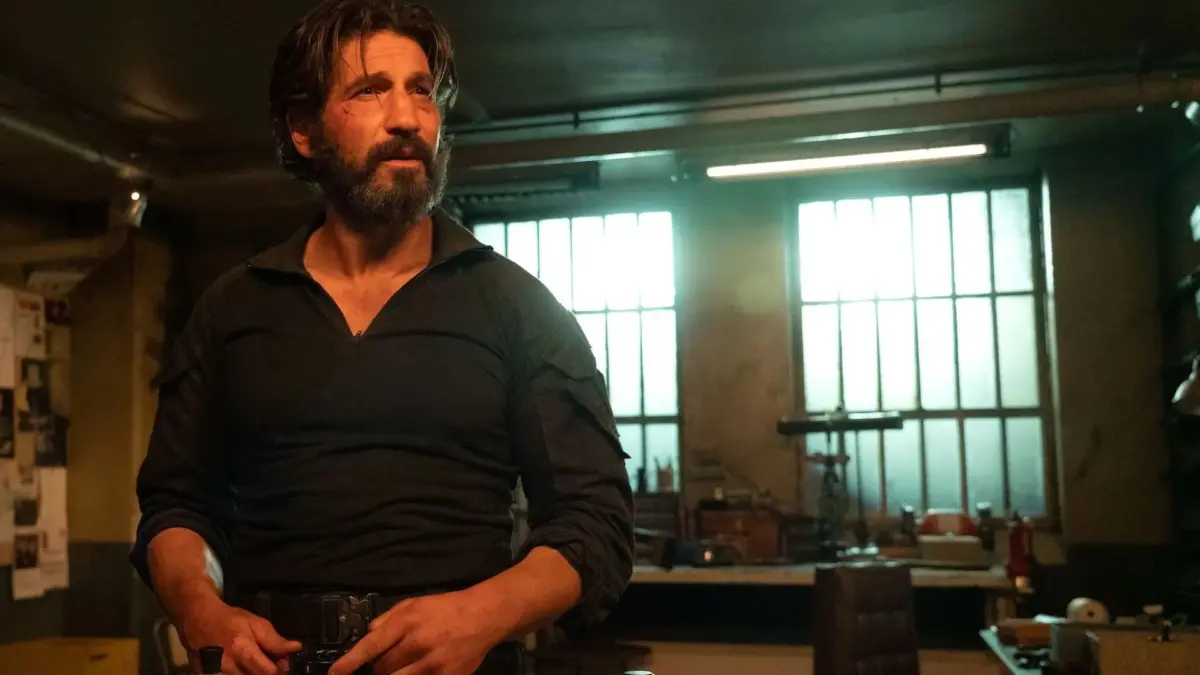
In the expansive landscape of modern cinematic and television adaptations, few character-to-actor pairings have achieved the seamless, visceral synergy of Jon Bernthal and Frank Castle. First introduced to audiences nearly a decade ago, Bernthal’s interpretation of the Marvel Comics anti-hero in Netflix’s gritty corner of the Marvel Cinematic Universe redefined what a comic book adaptation could look like on the small screen. Stripped of the traditional spandex, cape, and cosmic scale that define the standard superhero fare, Bernthal’s Punisher relied on tactical military precision, raw grief, and an unyielding, uncompromising moral compass that blurred the lines between justice and sheer brutality.
As the character transcends his initial streaming era to integrate into broader Marvel Television initiatives—such as Daredevil: Born Again and the Disney+ special presentation The Punisher: One Last Kill—the cultural footprint of Bernthal’s performance remains larger than life. This retrospective examines the trajectory of Bernthal’s tenure as Frank Castle, analyzing the thematic weight of his narrative arc, the profound psychological toll of the character’s PTSD, the evolution of his presence within the Marvel mythos, and why his incarnation continues to serve as the gold standard for street-level comic book storytelling.
Detailed Chronology: From Hell’s Kitchen to a One-Man War
The Genesis in Daredevil Season 2
Frank Castle’s introduction to the streaming Marvel ecosystem occurred in the second season of Daredevil. Rather than being immediately handed a solo vehicle, Castle was initially deployed as a narrative and ideological foil for Matt Murdock (Charlie Cox). While Murdock operated under a strict Catholic code that forbade taking human life, Castle offered a cold, calculated alternative: criminals who prey on the innocent forfeit their right to exist.
This ideological clash formed the beating heart of Daredevil Season 2. Castle’s quest for vengeance was rooted in the tragic, crossfire execution of his wife and children in Central Park. His pursuit of the perpetrators—and the systemic military conspiracy that ordered the hit—established him not merely as a mindless executioner, but as a deeply traumatized veteran waging a solitary war against a broken system. Bernthal’s physical intensity, characterized by animalistic grunts, haunting stares, and a palpable vulnerability beneath the hardened exterior, immediately cemented him as a fan favorite.
The Punisher Seasons 1 and 2: Deconstructing the Soldier
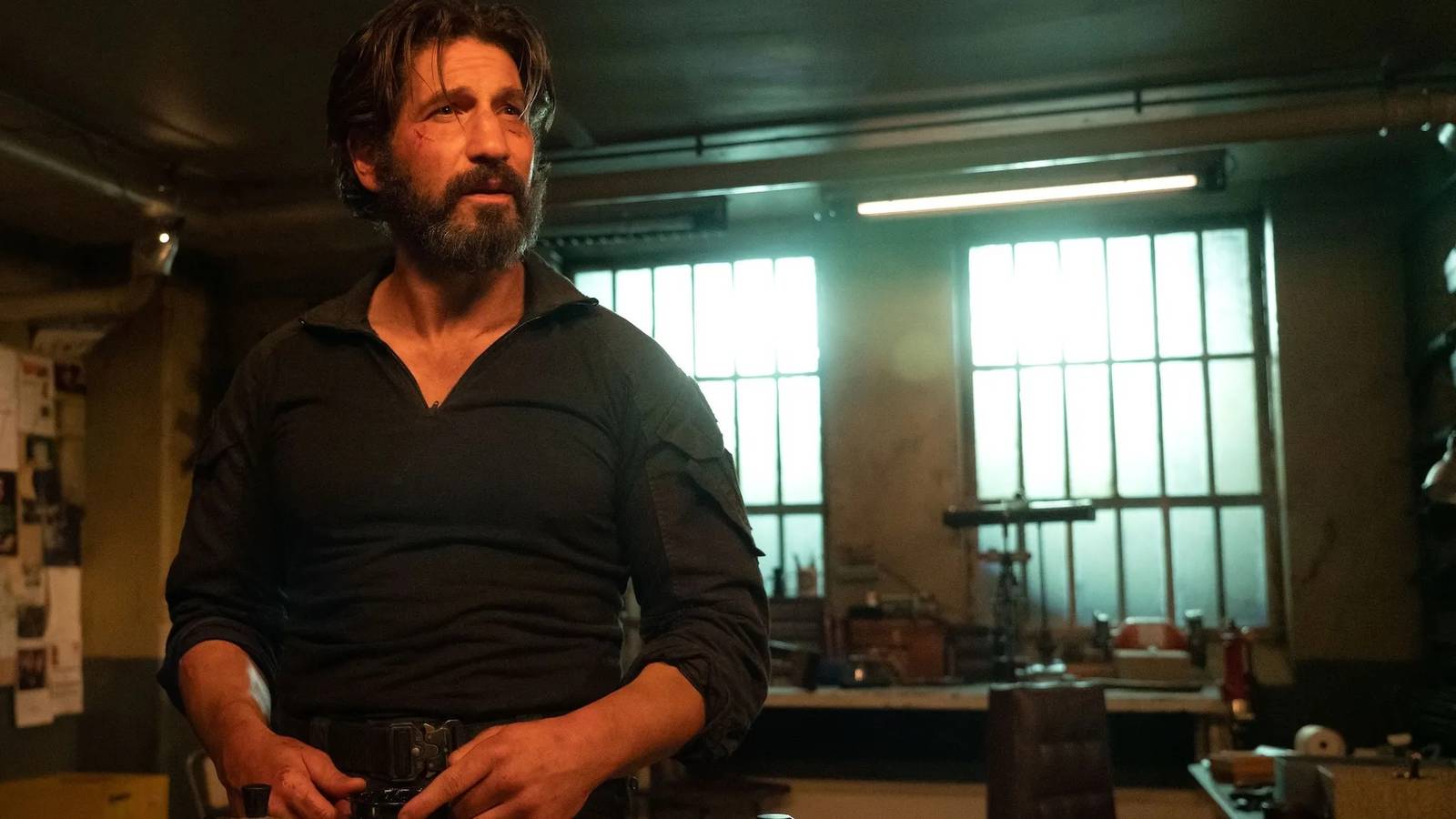
Capitalizing on the breakout success of his supporting turn, Marvel and Netflix greenlit The Punisher solo series, helmed by showrunner Steve Lightfoot. Season 1 shifted the focus from a simple revenge narrative to an intricate exploration of institutional betrayal, government corruption, and the difficulty of returning home from war.
Here, Castle’s world expanded with the introduction of:
- David Liberman, aka "Micro" (Ebon Moss-Bachrach): A disgraced NSA analyst forced into hiding, who serves as Castle’s reluctant tech-savvy partner.
- Billy Russo (Ben Barnes): Castle’s charismatic former best friend from military service, whose eventual betrayal drives the emotional climax of the season.
- Dinah Madani (Amber Rose Revah): A relentless Homeland Security agent determined to bring Castle to justice while navigating the murky waters of military cover-ups.
The psychological weight of the series was immense. Castle was no longer just hunting street thugs; he was confronting the ghosts of his past operations in Kandahar and the military-industrial complex that utilized men like him as disposable assets. The climax of Season 1—which culminated in Castle carving up Billy Russo’s face in a mirror, transforming him into the iconic comics villain Jigsaw—delivered some of the most wincing, brutal choreography ever captured on television.
Season 2 tested Castle’s tenuous grasp on peace. Attempting to live off the grid under an alias, Castle finds himself drawn into protecting a runaway teenager named Amy Bendix (Giorgia Whigham) from a shadowy religious zealot and corrupt law enforcement. Concurrently, a brain-damaged Billy Russo attempts to rebuild his criminal empire, forcing Castle to finally lay his past demons to rest once and for all.

The Modern Era: Daredevil: Born Again and Beyond
When Netflix canceled its Marvel slate in 2018 and 2019, it appeared that Bernthal’s time as the character had reached a definitive end. However, the shifting tides of the entertainment industry—specifically Disney’s pivot toward integrating legacy Netflix characters into the official MCU canon via Disney+—breathed new life into the franchise.
Following creative overhauls and the onboarding of writer Dario Scardapane, Bernthal returned to the fold for Daredevil: Born Again. In a powerful narrative meta-commentary, Castle’s return directly addressed the real-world misappropriation of the Punisher skull logo by certain law enforcement and military factions. In the series, Castle confronts a group of corrupt police officers utilizing his symbol to commit heinous acts, brutally gunning them down and thoroughly denouncing the corruption of his icon.
Further cementing his enduring status, Bernthal co-wrote and starred in the Marvel Special Presentation The Punisher: One Last Kill, and crossed paths with the broader cinematic universe in Spider-Man: Brand New Day, proving that the street-level grit of the character still has a vital place in the modern superhero landscape.
Supporting Context & Metrics: The Philosophy of Vengeance
To understand why Bernthal’s Punisher resonates so deeply, one must examine the fundamental philosophy of Frank Castle within comic book lore. Unlike heroes endowed with superhuman agility, mystical artifacts, or cosmic powers, Castle possesses only his mortality, his tactical training, and an arsenal of heavy weaponry.

The Weight of Mortality and PTSD
In the afterword to Punisher: The King of Killers, acclaimed comics writer Jason Aaron observes that Frank Castle’s existence is an unending Greek tragedy. Castle does not fight crime out of a noble desire to save the world; he fights because the slaughter of the wicked is the only place where he finds a semblance of quiet within his fractured psyche.
This depiction is heavily informed by real-world military trauma. The Punisher series does not romanticize war; it deconstructs it. Castle suffers from acute Post-Traumatic Stress Disorder (PTSD), experiencing vivid hallucinations of his family and the horrors of the battlefield. Bernthal famously encapsulated this grounded, non-superpowered reality in a profile interview with GQ, noting:
*"He ain’t got a fing cape. He ain’t got any superpowers. He’s a fing tortured, angry father and husband who’s living in this unbelievable world of darkness and loss and torment."*
Production Scale and Stunt Choreography
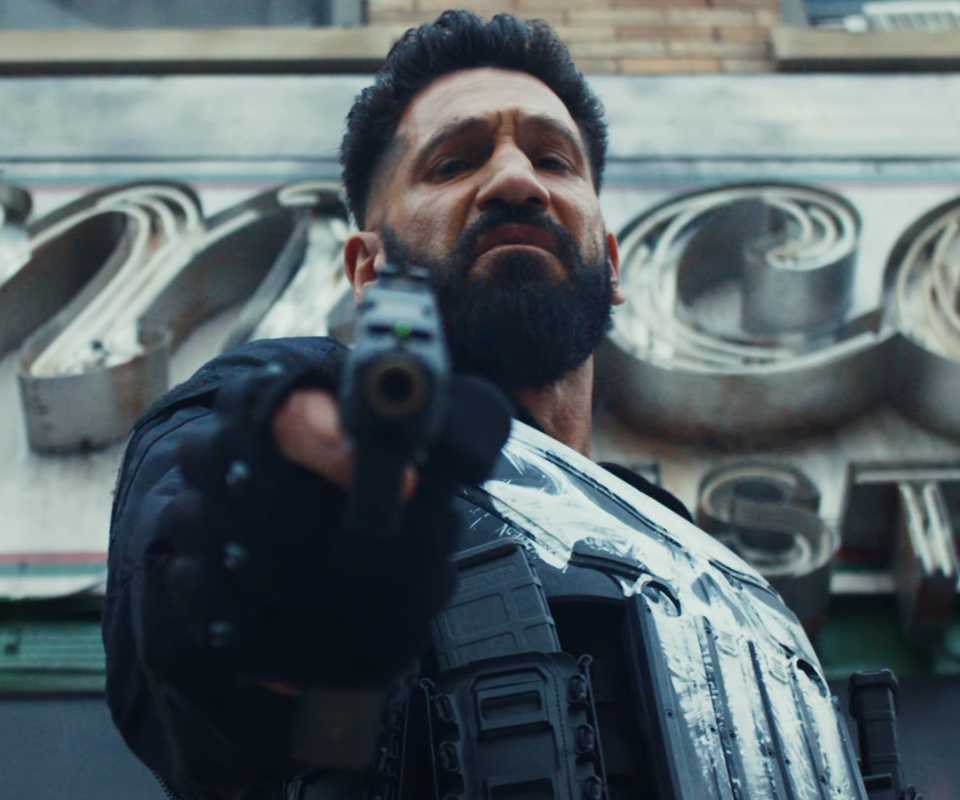
The visceral appeal of the series also lies in its production values. Eschewing the clean, wire-fu action styles typical of standard network television, The Punisher embraced raw, bone-crunching close-quarters combat (CQC), realistic firearm handling, and tactical room-clearing sequences. Stunt coordinators designed action set pieces that emphasized exhaustion, pain, and resilience. Every gunshot, knife wound, and broken bone had a physical consequence, ensuring that viewers felt the grueling physical toll of Castle’s crusade.
Official Statements and Industry Insights
The longevity of Jon Bernthal’s portrayal is a testament to his obsessive dedication to the psychology of the character. Throughout promotional circuits and deep-dive interviews over the years, Bernthal has consistently emphasized that playing Frank Castle requires stepping into a dark emotional space.
- On the Character’s Motivation: Bernthal has repeatedly noted that his approach to Castle is driven entirely by his identity as a grieving father and husband. The violence is never portrayed as cool or glamorous; it is always an extension of profound, bottomless agony.
- On Comic Book Authenticity: Creators and directors who worked alongside Bernthal have praised his tireless commitment to respecting the source material. By studying classic runs by writers like Garth Ennis and Jason Aaron, Bernthal ensured that the character’s uncompromising ethos remained intact, even when transitioning between different showrunners and networks.
- On the Real-World Symbolism: Addressing the controversial use of the skull logo outside of fiction, Bernthal and various Marvel creatives have expressed clear stances on what the symbol actually represents in the narrative: a warning to the corrupt, not an endorsement of real-world law enforcement overreach.
Future Outlook: The Indelible Legacy of Frank Castle
As the entertainment industry continues to churn out countless superhero adaptations, the cultural footprint of The Punisher serves as a masterclass in character-driven storytelling. The success of Jon Bernthal’s tenure proves that audiences are endlessly captivated by flawed, complex protagonists who operate in the moral gray areas of justice.
Looking forward, the integration of Bernthal’s Frank Castle into the broader, PG-13-to-R-adjacent tapestry of the MCU raises fascinating questions about how a hard-boiled character interacts with lighter heroes. Yet, if his recent appearances in Daredevil: Born Again and The Punisher: One Last Kill are any indication, Marvel Studios understands that watering down the character would be a fatal mistake.
For fans seeking uncompromising, visceral storytelling that refuses to shy away from the dark realities of trauma and vengeance, revisiting The Punisher remains essential viewing. Jon Bernthal didn’t just play Frank Castle—he inhabited him, leaving an indelible, blood-soaked mark on the history of comic book adaptations that will not be forgotten anytime soon.