Executive Overview
The release of iOS 27.2 marks a critical inflection point in Apple’s ongoing evolution of the native Photos application. Following the substantial feature rollouts introduced with iOS 27 late last month, this subsequent point release—deployed to compatible iPhones worldwide—brings nuanced yet powerful upgrades designed to refine how users interact with their visual memories. While iOS 27 laid the architectural groundwork for a modernized ecosystem of shared experiences and generative editing tools, iOS 27.2 focuses heavily on structural polish, administrative flexibility within Shared Albums, and addressing one of the most pressing dilemmas of the digital age: content authenticity.
At the center of the iOS 27.2 release notes is the integration of advanced provenance tracking mechanisms, specifically Google’s SynthID watermarking technology. As generative artificial intelligence continues to blur the boundaries between authentic photography and synthetic manipulation, Apple’s implementation of imperceptible digital watermarks across Photos and Image Playground signifies a major step toward total transparency. Concurrently, the update bolsters Apple’s popular Shared Albums feature, expanding on last month’s enhancements to deliver a more robust, private, and social-media-like environment that functions seamlessly without forcing users onto public networking platforms.
This comprehensive report explores the technological underpinnings of the iOS 27.2 Photos update, breaking down the mechanics of SynthID watermarking, evaluating the continued expansion of Shared Albums, and examining what these updates mean for the broader landscape of mobile photography and digital trust.
Detailed Chronology of the iOS 27 Photos Evolution
To understand the weight of the iOS 27.2 patch, it is essential to trace the rapid deployment schedule that Apple has maintained throughout the autumn release cycle.
The Foundation: iOS 27 and the Overhaul of Photos
When Apple first seeded iOS 27 to the public, the Photos app received one of the most comprehensive redesigns in its history. The initial release unified disparate viewing modes into a single, cohesive canvas, introducing advanced machine learning categorization, a reimagined interface for media curation, and major foundational upgrades to Shared Albums. These early adjustments were met with high praise from privacy-conscious users who rely on Shared Albums as a walled-garden alternative to traditional, ad-driven social networks.
Furthermore, iOS 27 introduced a suite of powerful generative editing tools—namely Extend, Reframe, and Clean Up. Powered by on-device Apple Intelligence models, these tools empowered casual photographers to effortlessly alter the composition of their shots, remove distracting background elements, or mathematically extrapolate missing scenery. While these capabilities were celebrated for their creative potential, they immediately exacerbated a growing concern within digital media: how to reliably distinguish between an unedited photograph captured directly through an iPhone lens and an image heavily modified by algorithmic intervention.

The Interim: iOS 27.1 and Minor Stability Patches
In the weeks immediately following the primary iOS 27 launch, Apple issued minor stability updates focused primarily on battery optimization, localized bug fixes, and minor indexing improvements within the Photos library search engine. While these patches ensured that the massive influx of new metadata processed smoothly on Neural Engine-equipped silicon, they left users waiting for deeper functional expansions promised during developer preview sessions.
The Current State: The Release of iOS 27.2
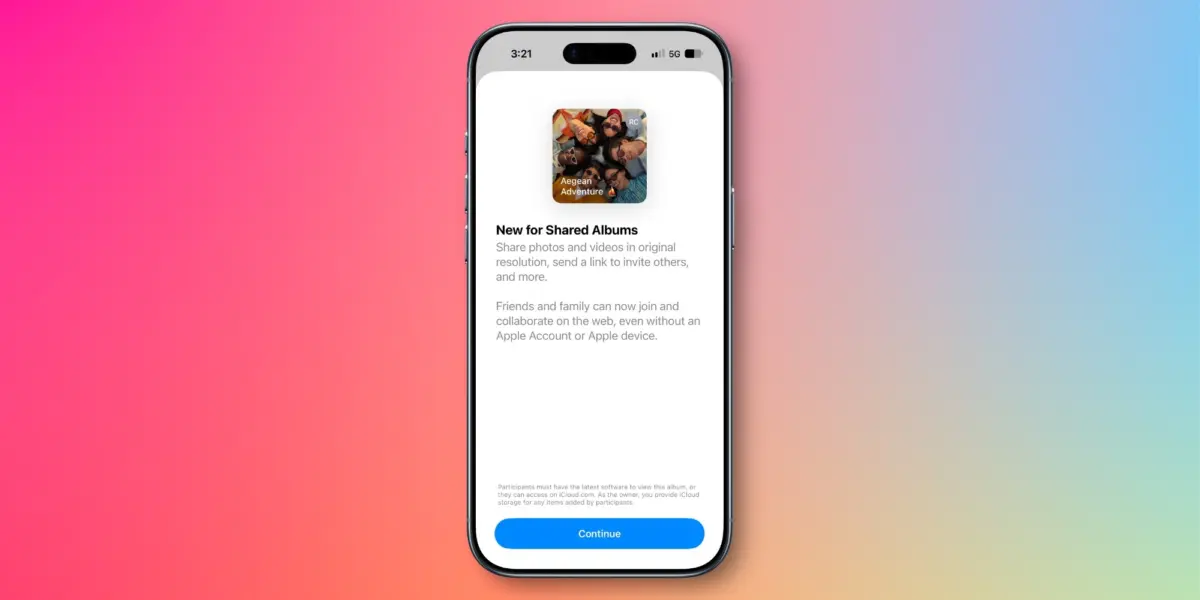
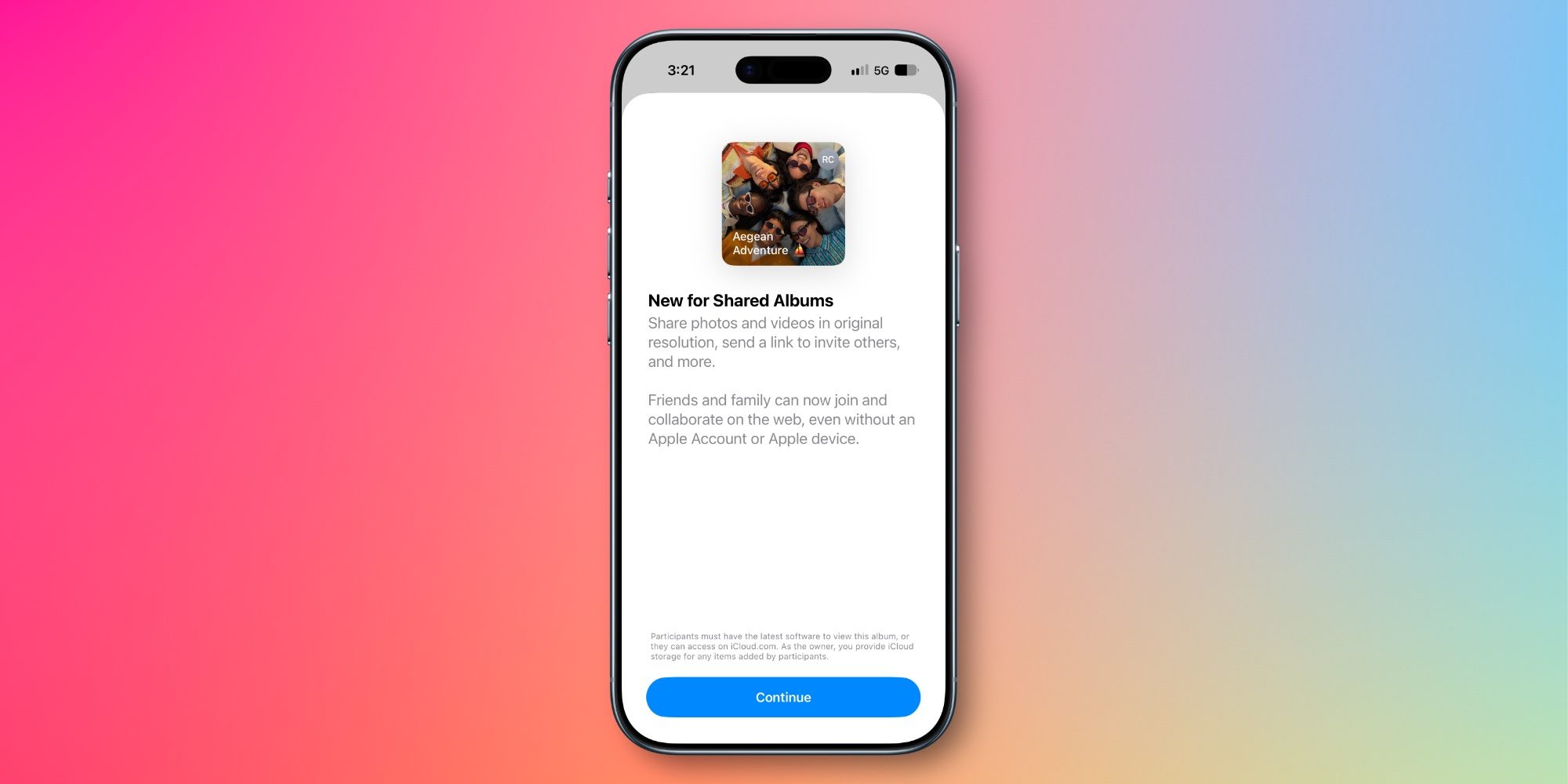
Deploying this week, iOS 27.2 bridges the gap between creative utility and administrative oversight. Beyond general performance enhancements across the operating system, the update specifically targets the Photos ecosystem by introducing four distinct upgrades to upgraded Shared Albums, alongside the headline-grabbing integration of SynthID watermarking. To access these new capabilities, users are required to ensure that their individual Shared Albums have been fully migrated to the upgraded iOS 27 architecture—a prerequisite that standardizes permissions and cloud synchronization protocols across all participating devices.
Supporting Context & Metrics: The Crisis of Image Authenticity
The deployment of SynthID watermarking in iOS 27.2 does not happen in a vacuum. It arrives amidst a global reckoning regarding the integrity of digital media. As generative artificial intelligence tools become democratized and embedded directly into consumer operating systems, the potential for misinformation, altered historical records, and manufactured realities grows exponentially.
The Algorithmic Dilemma
For decades, the cultural default assumption was that a photograph served as an objective recording of a specific moment in time—the famous adage that "the camera doesn’t lie." However, modern mobile photography relies heavily on computational photography pipelines. Even before generative AI, features like Smart HDR, Deep Fusion, and multi-frame noise reduction meant that an image file was an algorithmic interpretation of a scene rather than a pure optical capture.
The introduction of generative editing tools—such as the aforementioned Extend, Reframe, and Clean Up utilities found in iOS 27—pushes this phenomenon past a philosophical debate into a practical administrative challenge. When a user can seamlessly paint a missing person into a group photo or expand a mountain range far beyond its actual borders, the resulting file is a hybrid artifact.
Industry-Wide Responses and Apple’s Strategy
To combat the erosion of digital trust, tech conglomerates and standards organizations have pursued various authentication frameworks. Hardware-based approaches, such as the cryptographic signing initiatives championed by the Coalition for Content Provenance and Authenticity (C2PA) and Apple’s own newly introduced Reference Image feature for the iPhone 18 Pro, aim to verify the provenance of a digital file at the moment of capture.
However, hardware-level cryptographic signatures can be fragile; exporting, compressing, or sharing an image across third-party messaging platforms frequently strips away hidden metadata blocks, leaving the recipient none the wiser about the file’s history. This is where algorithmic watermarking becomes indispensable. By embedding watermarks directly into the pixel data itself rather than relying solely on detachable metadata headers, systems like Google’s SynthID provide a resilient layer of verification that survives common modifications, compression cycles, and format conversions.
Official Statements and Deep Dive: SynthID Watermarking in iOS 27.2
Apple’s official release notes for iOS 27.2 are characteristically concise, yet they encapsulate a major technological collaboration aimed at establishing a universal standard for synthetic media identification.
Deciphering the Apple Release Notes
Apple’s documentation explicitly highlights the core software enhancement regarding content provenance:
"Support for SynthID watermarking to help identify whether an image was generated or modified with generative tools in Photos and Image Playground."
This statement confirms that the protective measure spans both intentional creations generated from scratch via Image Playground and localized modifications performed on existing captures within the native Photos app.
What is SynthID?
Developed initially by Google DeepMind, SynthID is an advanced digital watermarking technology designed to embed imperceptible markers directly into the spectral frequencies of digital media.

- Invisibility to the Human Eye: Unlike traditional watermarks that stamp a visible logo, text string, or translucent banner across an image, SynthID alters the pixels in a way that is entirely invisible to human observers. The aesthetic quality, color fidelity, and sharpness of the photograph remain completely uncompromised.
- Resilience to Manipulation: Because the watermark is embedded into the signal of the image itself, it remains detectable even after the file undergoes common transformations. Cropping the image, applying filters, adjusting saturation, or compressing the file for web upload generally fails to strip out a properly applied SynthID marker.
- Cross-Platform Verification: SynthID is engineered as an open standard for the tech industry, meaning that detection tools can verify the presence of the watermark across different platforms and software environments, fostering a unified ecosystem of accountability.
How It Operates Within the Apple Ecosystem
When a user leverages Apple Intelligence to expand a landscape using the Extend tool, clean up an unwanted telephone wire via Clean Up, or manufacture a novel concept inside Image Playground, the iOS 27.2 rendering pipeline automatically weaves the SynthID signature into the digital output.
While everyday users viewing their photo libraries will not see any disruptive badges or warning labels cluttering their interfaces, specialized analysis tools and participating platforms can query the image data to confirm whether generative tools were involved in its creation. This strikes a delicate balance: it preserves the immersive, distraction-free viewing experience that Apple is renowned for, while simultaneously equipping the digital ecosystem with the auditing tools necessary to prevent deception.
The Social Dimension: Upgraded Shared Albums in iOS 27 and 27.2
While image provenance addresses the macro-level societal impacts of AI, the micro-level daily experience of managing personal memories is anchored by features like Shared Albums.
The Private Social Network
For many users, traditional social media platforms present a trade-off they are increasingly unwilling to make: sharing cherished family milestones, vacation snapshots, or casual weekend moments requires feeding algorithmic feeds, navigating intrusive advertisements, and surrendering privacy to massive data-harvesting corporations.
Apple’s Shared Albums bypass this compromise entirely. Operating as a secure, end-to-end encrypted space living natively within the Photos application, Shared Albums provide a familiar, social-media-style experience—complete with comments, likes, and collaborative contribution streams—entirely bounded by the user’s iCloud account circle.
Building Upon iOS 27’s Foundation
Last month’s iOS 27 release overhauled the underlying architecture of Shared Albums, introducing higher resolution uploads, smarter sorting algorithms, and more intuitive invitation management. Building directly upon this freshly upgraded infrastructure, iOS 27.2 introduces four targeted administrative and navigational improvements.

While specific workflow adjustments vary depending on user permissions, these new tweaks allow family groups and collaborative event organizers to curate shared spaces with unprecedented precision. By tightening synchronization speeds, refining notification handling for collaborative additions, and streamlining the process of transitioning legacy albums to the new iOS 27 framework, Apple ensures that the feature remains reliable, fast, and secure.
Future Outlook: The Road Ahead for Mobile Imaging
The rollout of iOS 27.2 provides a clear window into the future trajectory of consumer mobile operating systems. As generative artificial intelligence transitions from a novelty feature into an invisible, ubiquitous utility baked into everyday software, the responsibilities of platform developers expand dramatically.
The Convergence of Hardware and Software Security
Looking forward toward future hardware cycles—such as the anticipated broader adoption of hardware-level cryptographic authentication seen in devices like the iPhone 18 Pro—Apple is clearly constructing a multi-layered defense against synthetic deception. By pairing hardware-secured capture provenance with software-level resilient watermarking like SynthID, the company is attempting to future-proof its ecosystem against increasingly sophisticated manipulation techniques.
User Experience Challenges
As these verification protocols mature, the primary challenge for Apple moving forward will be user education and interface integration. While automatic background watermarking requires zero active effort from the consumer, the broader question remains: how will everyday users access verification data? As third-party platforms begin adopting SynthID scanners and C2PA manifestos, consumers will increasingly expect clear, accessible indicators within their default media viewers to tell the story behind an image.
Conclusion
For now, iOS 27.2 stands as a pragmatic and welcome update. It successfully honors the creative impulses of users who embrace Apple Intelligence’s powerful editing suite, while upholding a commitment to transparency and digital integrity. Coupled with the refined administrative controls arriving for Shared Albums, iOS 27.2 proves that Apple’s focus on the Photos app extends far beyond aesthetic redesigns, delving deep into the ethical and structural frameworks of modern digital media.