Executive Overview
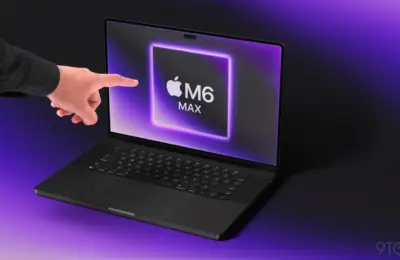
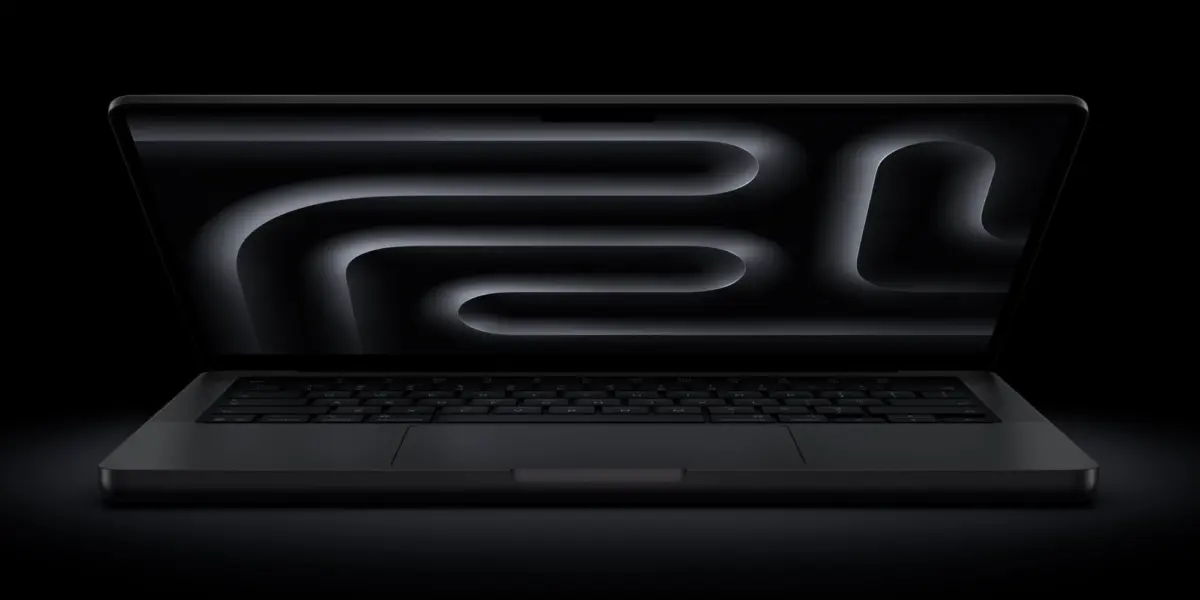
In an era defined by persistent inflationary pressures, supply chain volatility, and a relentless upward trajectory for consumer electronics, Apple’s latest product rollout brought a rare moment of fiscal relief. When Cupertino pulled back the curtain on its next-generation computing hardware—highlighted by the powerhouse M6-equipped iMac and the redesigned 14-inch MacBook Pro—the most surprising specification on the spec sheet wasn’t the silicon itself. It was the price tag.
For the first time in what feels like an endless succession of hardware cycles marked by creeping price hikes, Apple has chosen to hold the line. The new M6 systems arrive at price points identical to their immediate predecessors. More importantly, this stability is not merely a lateral move in terms of cost; it represents a tangible increase in value. iMac buyers, for instance, are securing upgraded processing capabilities—jumping from an 8-core CPU/GPU layout to a robust 10-core CPU and 10-core GPU base configuration—without coughing up a single extra dollar.
This strategic restraint arrives on the heels of a bruising year for Apple consumers’ wallets. Over the past several months, the tech giant has systematically adjusted pricing upward across nearly every major product category, from iPads and accessories to iPhones and previous generations of desktop Macs. Consequently, the decision to keep the M6 iMac and 14-inch MacBook Pro baseline costs untouched is being interpreted by market analysts as both a tactical breather for consumers and a calculated defensive play against softening PC demand.
However, this momentary respite may be the calm before a much more expensive storm. Even as traditional M6 form factors hold steady, persistent leaks surrounding upcoming OLED touchscreen MacBook Pro models suggest that Apple’s brief flirtation with price stability could be the exception that proves a very expensive rule.
Detailed Chronology of Apple’s 2026 Price Adjustments
To truly understand the significance of Apple holding the line on the new M6 Macs, one must view the move within the broader context of the company’s aggressive pricing strategy throughout 2026. The hardware landscape has shifted dramatically over the last ten months, transforming how consumers budget for upgrades.
The Summer Reshuffle (June 2026)
The warning signs of a broader pricing realignment became impossible to ignore in late June, when Apple executed a sweeping series of price increases across a large swath of its ecosystem. During this mid-year adjustment:
- The iMac saw its entry-level price boosted from $1,299 to $1,499.
- The 14-inch MacBook Pro was nudged upward from $1,699 to $1,999.
- The HomePod mini jumped from its long-standing $99 price point to $129.
- The Apple TV 4K suffered a steep climb from $129 to $199.
- The iPad mini shifted from $499 to $599.
At the time, Cupertino defended these adjustments by pointing to rising component costs, advanced manufacturing complexities, and macroeconomic headwinds. For consumers, however, it signaled the end of the era of predictable, baseline entry pricing.
The Autumn Wave (September & October 2026)
Rather than being a one-off correction, the summer hikes established a new baseline that continued to climb as autumn rolled in:
- September 2026: The launch of the iPhone 18 Pro and iPhone 18 Pro Max pushed flagship smartphone pricing even higher, debuting at $1,199 and $1,299 respectively—a definitive $100 jump over their predecessors. Simultaneously, Apple applied a $100 premium across older legacy iPhones still active in its lineup, including the standard iPhone 17, iPhone Air, and iPhone 17e.
- Early October 2026: The hardware refresh cycle hit accessories and compact tablets hard. The second-generation HomePod mini saw yet another bump, landing at $149. The newly redesigned Apple TV 4K leaped to a staggering $299 baseline (though it did double base storage capacities). Meanwhile, the heavily anticipated OLED iPad mini blew past its summer pricing adjustment, debuting at a cool $699.
Given this relentless cascade of price increases, industry watchers fully expected the M6 architecture rollout to carry a similar premium. The fact that the M6 iMac and 14-inch MacBook Pro escaped this cycle unscathed has injected a surprising dose of optimism into an otherwise strained consumer market.
Supporting Context & Metrics: Value Realignment and Spec Bumps
While static pricing is noteworthy on its own, the real story of the M6 Mac launch lies in the value proposition. In consumer technology, maintaining a price while increasing baseline specifications is a stealth form of a price cut—or, at the very least, an absorption of manufacturing efficiencies by the vendor.
Deconstructing the M6 iMac Value Proposition
When Apple hiked the iMac price to $1,499 in June, it left a bitter taste in the mouths of entry-level desktop buyers. The M6 iMac, however, attempts to retroactively justify that investment by expanding the hardware envelope without expanding the invoice.
The baseline M6 iMac configuration now ships with:
- A 10-core CPU (up from 8 cores in the M4 generation).
- A 10-core GPU (up from 8 cores in the M4 generation).
This 25% increase in core counts across both processing domains means that casual users, creative professionals, and enterprise deployments running standard workloads are getting substantially more computational horsepower for the exact same capital outlay. In a market where generational performance leaps often demand a financial tax, getting more silicon for free is a notable win.
The Macroeconomic Reality Check
Why did Apple hold the line here while raising prices everywhere else? Analysts suggest a few competing pressures:
- PC Market Saturation: Unlike the iPhone, which enjoys near-monopolistic loyalty in high-tier markets, the traditional desktop and laptop space is fiercely competitive. Windows OEMs have aggressively priced AI-capable PCs, forcing Apple to tread carefully to avoid pricing itself out of the mainstream creator market.
- Silicon Yields: As Apple’s internal silicon production matures on cutting-edge nodes, the per-unit cost of manufacturing standard M-series chips has stabilized, giving Cupertino the margin wiggle-room required to absorb cost increases on core SKUs.
- Consumer Fatigue: Following the summer and autumn shocks to the iPhone, iPad, and Apple TV lines, an immediate price hike on the M6 desktop and pro laptop lines risked triggering a severe consumer upgrade strike.
The Looming Horizon: OLED Touchscreen MacBooks and Premium Surges
While the arrival of the M6 iMac and 14-inch MacBook Pro provided a momentary sigh of relief, market intelligence suggests that Apple’s restraint is strictly limited to traditional form factors. The storm clouds are gathering on the horizon for pro users anticipating the next major evolutionary leap in mobile computing.
The Price of Innovation: OLED and Touch
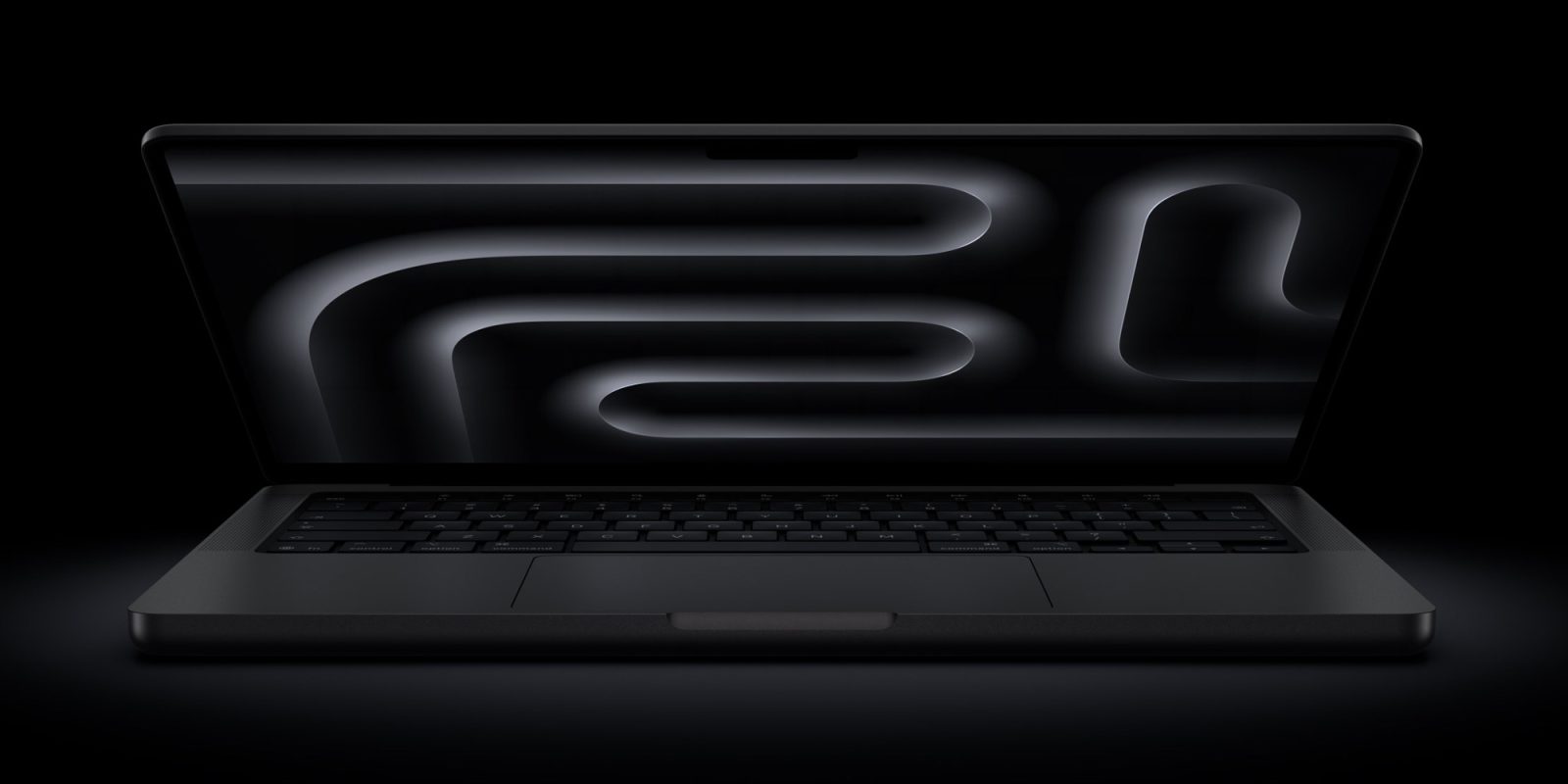
Industry leaks originating from supply chain checks and reliable insider reports, such as those detailed by Bloomberg, paint a starkly different picture for the forthcoming line of OLED touchscreen MacBook Pro models.

According to these reports, Apple has held internal discussions regarding a staggering $2,899 starting price for the redesigned 14-inch OLED touchscreen model. To contextualize this figure: the current standard-display 14-inch M6 MacBook Pro starts at $1,999. A jump to $2,899 represents a nearly 45% premium for the privilege of transitioning to an OLED panel and integrating touch input into macOS—features that Windows competitors have offered for years, albeit without Apple’s tightly integrated ecosystem.
If Apple applies a proportional pricing strategy to the larger form factor—taking the current 16-inch model’s $2,999 baseline and factoring in the rumored OLED/touch premium—the top-tier mobile workstations could easily clear $3,399 to $3,500 for entry-level configurations, with fully specced-out pro models pushing past the $5,000 threshold with ease.
What This Means for Buyers
This bifurcated pricing strategy reveals Apple’s long-term master plan:
- The Traditional Tier: Products like the M6 iMac and standard 14-inch MacBook Pro serve as the volume drivers. By holding prices steady here, Apple keeps its foot in the door for standard upgrades, educational institutions, and cost-conscious prosumers.
- The Halo Tier: Revolutionary hardware shifts—such as the integration of OLED touchscreens, advanced tandem panel tech, and cutting-edge thermal architectures—will be cordoned off into an ultra-premium tier.
For consumers currently sitting on the fence, this dynamic complicates the purchasing decision. Buying an M6 Mac today offers incredible value and price stability, but doing so means passing on the bleeding-edge touchscreen revolution waiting just around the corner—a revolution that will demand a punishing financial toll.
Future Outlook
As the dust settles on the M6 product drops, the broader trajectory of Apple’s hardware ecosystem comes into sharp focus. The company has successfully recalibrated its entire portfolio to a higher price ceiling across 2026, making the stable pricing of the M6 iMac and MacBook Pro look less like a permanent policy shift and more like a strategic pause.
For the enterprise buyer and the everyday consumer, the immediate takeaway is clear: if you need a reliable, high-performance machine right now, the M6 generation represents a safe, value-rich harbor amidst a turbulent economic sea. The specs are better, the core counts are higher, and the price tags have mercifully refused to budge.
However, the longer-term outlook suggests that frugality within the Apple ecosystem is becoming an endangered luxury. As Cupertino pivots toward more complex manufacturing processes—such as OLED panel integration, touch-enabled macOS environments, and advanced neural accelerators—the cost of admission to the absolute cutting edge of technology is destined to skyrocket.
Whether the market will continue to bear these escalating luxury taxes, or if consumer pushback will eventually force a corporate recalibration, remains the defining question for Apple’s hardware division as it looks toward the remainder of the decade. For now, buyers are advised to enjoy the static price points of the M6 lineup while they last—because tomorrow’s innovation will almost certainly demand a heavy premium.