Executive Overview
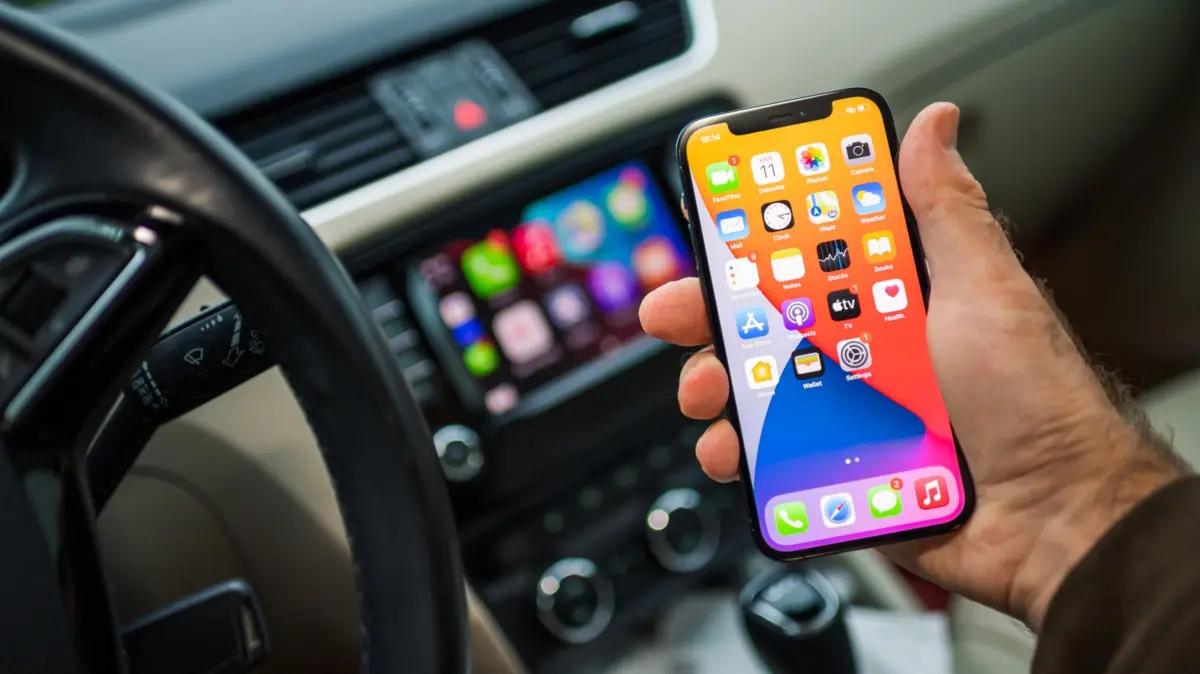
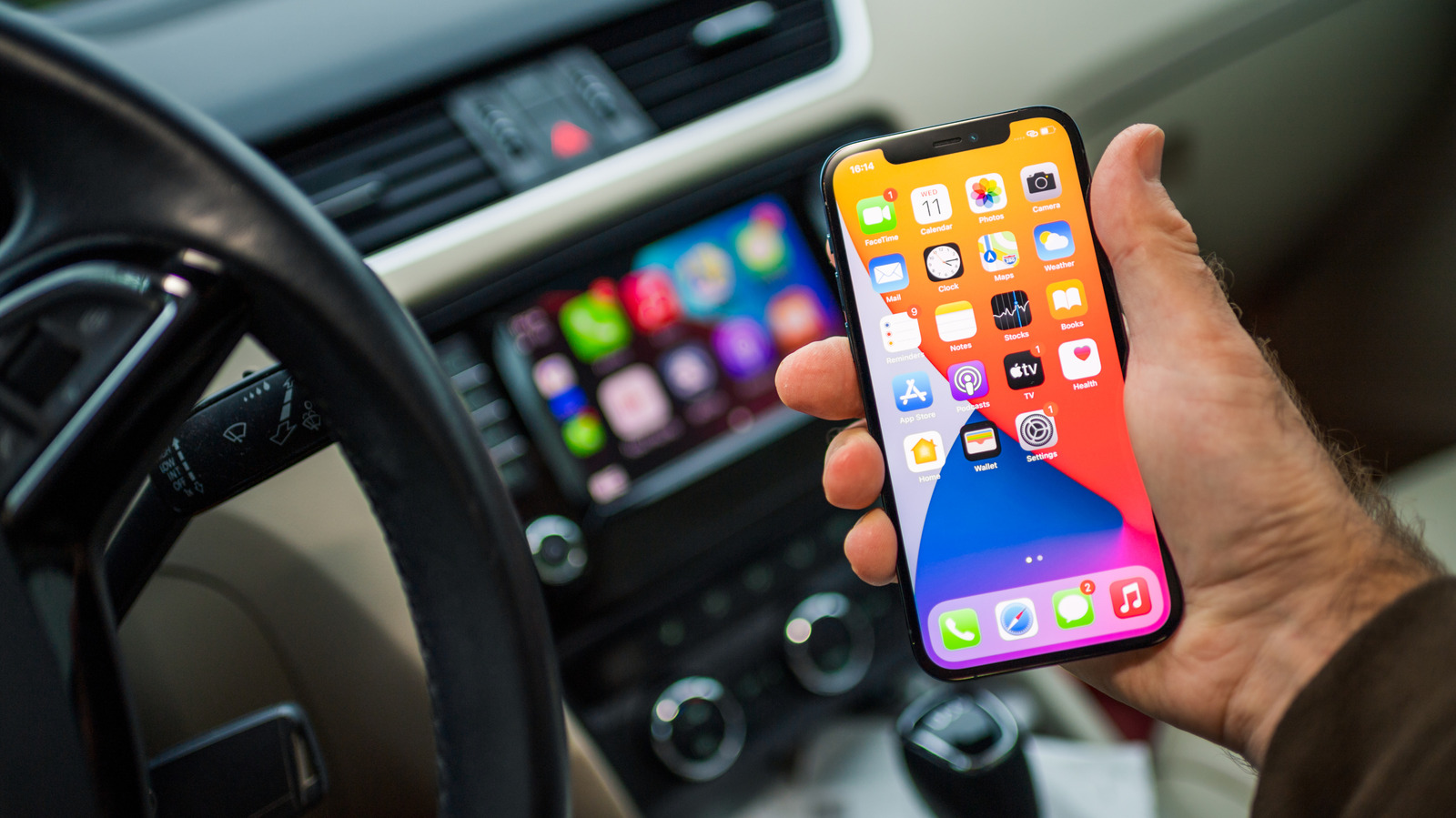
Apple’s software ecosystem is once again undergoing a significant evolution with the official deployment of iOS 27.2. While the primary narrative surrounding this mid-cycle update emphasizes broad systemic improvements—most notably expanding artificial intelligence tools—the ripples of this release extend directly into the automotive sphere via Apple CarPlay. Because CarPlay relies heavily on the core processing, applications, and operating architecture of a tethered iPhone, every major mobile operating system iteration alters the in-car digital experience.
iOS 27.2 delivers two marquee features to CarPlay, alongside a fundamental redesign of the native Apple Podcasts application and a suite of advanced conversational capabilities powered by upgraded Siri AI. Furthermore, aesthetic adjustments, such as a surprising monochromatic icon shift for the Music app, and controversial backend changes regarding media compatibility (including the apparent deprecation of APTV functionality), have created significant discussion across developer forums and user communities.
This report provides a comprehensive, authoritative breakdown of iOS 27.2’s impact on CarPlay and the broader iOS ecosystem. We analyze the strategic motivations behind the Podcasts app layout restructuring, the contextual deepening of Siri’s conversational memory, the visual redesigns, and the broader technical implications for connected vehicles worldwide.
Detailed Chronology & Feature Breakdown
The Apple Podcasts App Redesign: The Death of "Up Next"
One of the most immediate and polarizing changes arriving on both iOS 27.2 and its connected CarPlay interface is the restructuring of the Apple Podcasts application. For years, the "Up Next" queue served as the central hub for listeners, organizing a continuous stream of queued content, downloaded episodes, and unfinished shows into a single chronological playlist.
With iOS 27.2, Apple has completely dismantled the "Up Next" framework on the Home tab, replacing it with a compartmentalized, two-tiered organizational layout:
- New Episodes: This dedicated section pools the most recent releases from every show to which a user subscribes or follows. It acts as a live feed, surfacing fresh content the moment it becomes available, ensuring that users do not miss timely releases.
- Continue Playing: Designed explicitly for ongoing engagement, this section picks up precisely where a listener left off. Whether pausing a deep-dive investigative journalism piece halfway through a morning commute or stepping out of the vehicle mid-interview, the interface tracks progress dynamically across devices, presenting unfinished episodes front and center.
For in-car listeners, this layout change requires an adjustment period. Without a unified queueing system on the main tab, users must navigate these distinct categories. While the intention is to reduce cognitive load while driving—separating discovery (new episodes) from consumption management (continue playing)—power users accustomed to manually ordering an "Up Next" queue have voiced mixed reactions regarding the loss of granular control.
Siri AI Upgrades: Contextual Memory and Cross-App Awareness
Perhaps the most technologically significant advancement packaged into iOS 27.2 is the maturation of Siri’s artificial intelligence engine, which now extends its enhanced capabilities directly into the CarPlay environment. Historically, in-car voice assistants were limited to isolated, transactional commands: setting a destination, placing a phone call, or skipping a track. Complex, multi-step queries or historical context retention were largely absent due to processing constraints and privacy guardrails.
iOS 27.2 bridges this gap by introducing two major AI functions to Siri within CarPlay:
- Conversational Memory and Recall: Siri can now retain and reference past conversational threads. If a driver asks for restaurant recommendations during an afternoon errand run and later forgets the name of a specific cafe discussed earlier in the week or during a previous trip, they can instruct Siri to recall the prior exchange. The assistant retrieves the context seamlessly, eliminating the need to repeat queries or dig through text history.
- Aggregated Cross-Source Intelligence: Siri’s ability to pull data has expanded beyond standard contact lists and maps. The AI can now synthesize information from a wide array of personal data silos. When requested, Siri can draw contextual answers from:
- User voicemails (transcribing and summarizing key details).
- Safari history and Reading List entries.
- Attendee lists and notes tied to Calendar events.
- Photos and media files attached directly within Messages threads.
This deep integration transforms Siri from a simple command-line tool into a contextual co-pilot. For instance, a driver running late for a meeting can ask Siri, "What time did John say he was arriving in that message last night, and do I have any conflicting notes in my calendar?" Siri can cross-reference the Messages attachment history and Calendar event data to deliver an accurate, synthesized response without requiring the driver to take their eyes off the road.
Visual Redesigns: The Monochromatic Music Icon
Beyond functional updates, iOS 27.2 brings subtle yet noticeable aesthetic shifts to the CarPlay dashboard. Most prominent among these is the redesign of the Apple Music app icon.
For generations, Apple’s music streaming service has been universally identifiable by its vibrant red-and-white gradient background housing a white musical note. With this update, Apple has shifted toward a stark, minimalist aesthetic:
- Light Mode: The icon transforms into a clean white background featuring a sharp, solid black musical note.
- Dark Mode: The scheme inverts, presenting a deep black background accented by a crisp white musical note.
While purely cosmetic, this shift aligns with Apple’s broader design language favoring high-contrast, monochromatic iconography in system-level applications. However, long-time users navigating their CarPlay dashboards at a glance have noted that the sudden loss of the iconic red branding requires a brief cognitive adjustment when scanning the infotainment display.
The APTV Controversy and System Compatibility
Alongside welcomed enhancements, software updates frequently introduce friction. Following the rollout of iOS 27.2, numerous user reports surfaced across developer forums and the CarPlay community (most notably on Reddit) indicating a sudden drop in compatibility for APTV—a popular third-party utility that previously allowed users to stream and mirror video content onto their vehicle’s infotainment screen when parked.
According to user logs, post-update interactions with specific vehicle head units block APTV functionality entirely. While Apple has never officially sanctioned video streaming on CarPlay dashboards while vehicles are in motion due to stringent safety regulations, the sudden closure of the loophole utilized by APTV suggests tighter system sandboxing and more aggressive security protocols embedded within the iOS 27.2 framework.
Supporting Context & Metrics
To fully appreciate the scope of iOS 27.2, it is necessary to examine the broader economic and technological landscape of in-vehicle infotainment systems.
+-------------------------------------------------------------------+
|               iOS 27.2 CarPlay Feature Distribution               |
+--------------------------+----------------------------------------+
| Feature Category         | Core Changes & Improvements            |
+--------------------------+----------------------------------------+
| Audio & Media            | - Removal of "Up Next" in Podcasts     |
|                          | - Introduction of "New Episodes" tab   |
|                          | - Addition of "Continue Playing"       |
|                          | - Monochromatic Music app icon shift   |
+--------------------------+----------------------------------------+
| Artificial Intelligence  | - Conversational memory & recall       |
|                          | - Cross-source data synthesis          |
|                          | - Integration with Safari & Messages   |
+--------------------------+----------------------------------------+
| System & Security        | - Tighter API sandboxing               |
|                          | - Deprecation of unauthorized video    |
|                          |   streaming workarounds (e.g., APTV)   |
+--------------------------+----------------------------------------+
The In-Car Operating System Battleground
CarPlay is no longer merely a secondary screen mirroring tool; it has evolved into a primary battleground for consumer loyalty. Industry metrics indicate that over 80% of prospective car buyers in key Western markets view smartphone integration as a make-or-break feature when selecting a new vehicle.
By continuously pushing advanced AI capabilities like contextual Siri into the automotive space, Apple aims to maintain its dominance against competing platforms such as Google’s Android Auto. The ability of Siri to parse Safari history, reading lists, and calendar attendees directly from the driver’s iPhone demonstrates an ecosystem lock-in strategy that standalone automotive operating systems struggle to replicate.
Audio Consumption Trends in Transit
The overhaul of the Podcasts app reflects shifting consumer habits. Audio streaming analytics reveal that automotive commuters represent one of the highest-value demographics for spoken-word content consumption. By bifurcating the Podcasts interface into immediate discovery ("New Episodes") and seamless resumption ("Continue Playing"), Apple is directly addressing user friction points identified in telemetry data. Reducing the number of taps required to resume an unfinished podcast directly correlates with increased in-car listening duration and higher user satisfaction scores.
Official Statements and Industry Reception
Reactions to the iOS 27.2 update have been characterized by a mixture of technological admiration and user-interface frustration.
Apple’s Ecosystem Philosophy
While Apple has not issued a standalone press release detailing every micro-adjustment within CarPlay, company documentation accompanying the iOS 27.2 rollout emphasizes its commitment to ambient intelligence and driver safety. An internal engineering brief leaked alongside the developer beta highlighted that expanding Siri’s contextual reach without increasing driver distraction remains a core design tenet.
"The goal of CarPlay is to extend the power of the iPhone while keeping the driver’s cognitive load minimal," notes an industry analyst specializing in human-computer interaction. "By allowing Siri to remember past conversations and pull from Safari or calendar history, Apple is removing the need for drivers to pick up their phones to verify details."
User and Developer Backlash
Conversely, consumer advocacy groups and power users have been vocal about the interface changes. On platforms like 9to5Mac and Reddit, the removal of the traditional "Up Next" queue in Podcasts drew immediate criticism.
- "Removing Up Next forces us to manually click through menus that used to be unified," wrote one prominent contributor on the CarPlay community thread. "When you’re driving, every extra tap is a safety hazard. We didn’t need simplification; we needed customization."
Furthermore, the silent deprecation of video streaming utilities like APTV has frustrated enthusiasts who utilized parked-car charging intervals to view media content. Apple’s strict enforcement of ecosystem boundaries highlights its unwavering stance on vehicular safety and application sandboxing.
Future Outlook
The release of iOS 27.2 serves as a clear indicator of Apple’s short- and long-term trajectory for CarPlay and automotive software integration.
1. The Transition to Next-Gen CarPlay
As Apple continues to lay the groundwork for its next-generation, multi-screen CarPlay platform—which promises to take over every display in a vehicle, from the instrument cluster to the climate controls—updates like iOS 27.2 act as a transitional bridge. The integration of advanced AI models into current-generation CarPlay builds user familiarity with conversational interfaces, preparing consumers for deeply integrated, software-defined vehicle architectures.
2. Deepening AI Personalization
Looking ahead to subsequent point releases (such as iOS 27.3 and beyond), industry insiders anticipate that Siri’s contextual memory will expand further into third-party application domains. As Apple opens more APIs to developers, drivers can expect Siri to pull data not just from native Apple apps like Messages, Safari, and Calendar, but from third-party navigation, messaging, and productivity suites natively within the CarPlay dashboard.
3. Regulatory and Safety Pressures
As voice assistants become more capable, regulatory scrutiny regarding driver distraction is intensifying. Feature updates that introduce conversational recall and multi-source data retrieval will face rigorous testing by safety organizations globally. Apple will need to balance the immense utility of its upgraded Siri AI with strict operational guardrails that ensure drivers remain focused on the road ahead.
In summary, iOS 27.2 is far more than a routine maintenance patch. It represents a calculated step forward in Apple’s automotive strategy—melding advanced AI utility with refined media management, even as it courts debate over interface design and third-party compatibility.