Executive Overview
The exponential growth of artificial intelligence is placing unprecedented stress on the United States’ electrical infrastructure. Once characterized by stagnant or slow-growing electricity demand, the American power grid is now struggling under the immense energy requirements of hyperscale data centers, high-performance computing clusters, and modern generative AI models.
Critics and grid operators warn that this rapid increase in power consumption acts as a severe stress test on an infrastructure system largely engineered in the mid-20th century. In the short term, this supply-demand imbalance threatens to drive up utility bills for everyday consumers as utilities spend heavily to upgrade local infrastructure. In the long term, without structural interventions, the strain risks causing regional brownouts, rolling blackouts, and diminished power reliability.
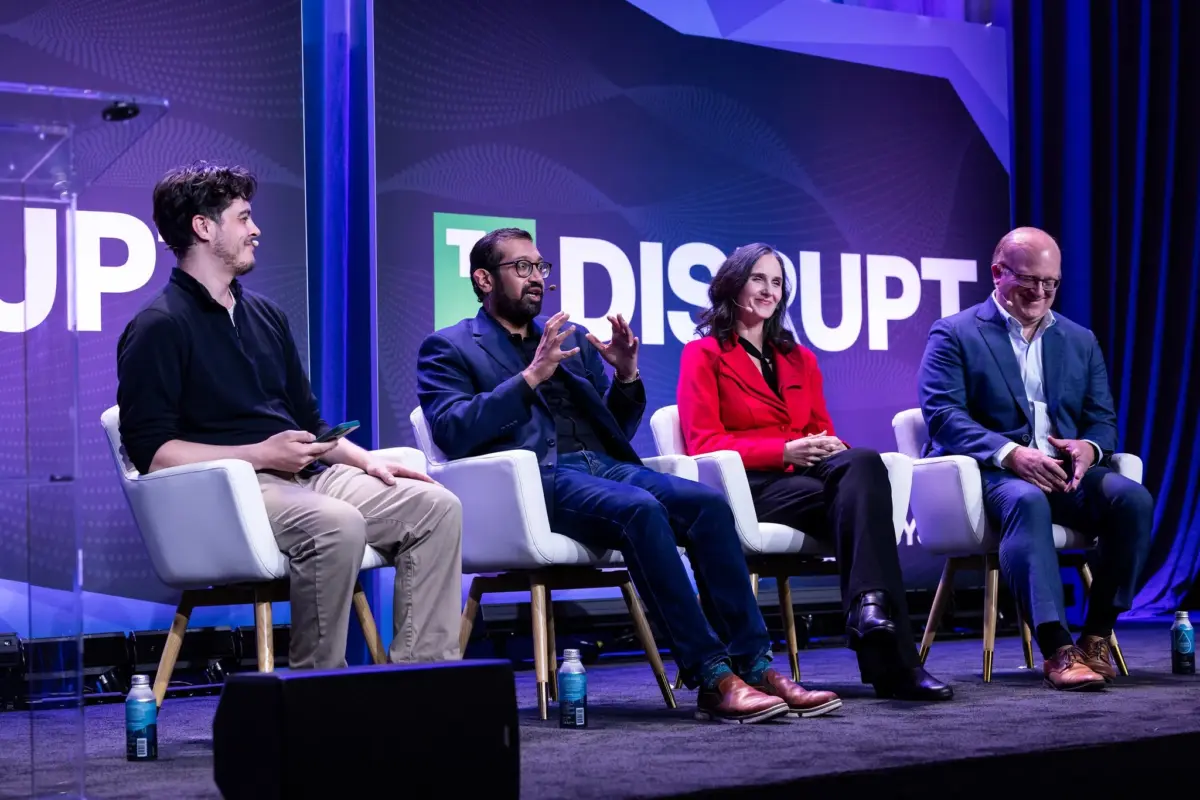
However, a counter-narrative is taking shape among clean technology innovators, utility software architects, and grid hardware engineers. Speaking at industry forums including TechCrunch Disrupt, leading clean-tech executives argue that the AI-driven energy bottleneck could serve as a vital catalyst. Rather than triggering grid failure, the capital flood and urgency generated by tech giants may accelerate long-overdue modernizations. By combining advanced hardware—such as high-temperature superconducting transmission lines—with intelligent load-orchestration software, the energy sector has a rare opportunity to transform the nation’s electric power architecture into a flexible, resilient, and decarbonized grid.
Detailed Chronology: The Evolution of Grid Strain
Understanding the current crisis requires examining the converging structural shifts in the American energy landscape over the past two decades.
+---------------------------------------------------------------------------------+
| Chronology of Grid Demand Shifts                                                |
+---------------------------------------------------------------------------------+
| Phase 1: Flatline Demand Era (2010–2020)                                        |
|   • Efficiency gains (LEDs, ENERGY STAR) offset standard economic growth.       |
|                                                                                 |
| Phase 2: Dual Electrification Boom (2020–2023)                                  |
|   • EV adoption and residential heat pump shifts push localized grid loads.     |
|   • Intermittent renewable generation (solar/wind) replaces base-load power.    |
|                                                                                 |
| Phase 3: The Generative AI Explosion (2023–Present)                             |
|   • Hyperscalers build multi-hundred-megawatt to gigawatt data center nodes.    |
|   • Interconnection queues backlog; long-term blackout and cost risks mount.    |
+---------------------------------------------------------------------------------+
1. The Era of Flatline Demand (2010–2020)
For over a decade following the 2008 financial crisis, U.S. electricity demand remained largely flat. Efficiency gains from LED lighting, high-efficiency appliances, and industrial optimizations balanced out baseline population and economic growth. Grid operators worked under predictable, slow-moving expansion models, focusing maintenance primarily on age-related repairs rather than aggressive capacity building.
2. The Dual Electrification Boom (2020–2023)
The baseline shifted as state and federal policies incentivized a transition away from fossil fuels. The rapid adoption of electric vehicles (EVs) and residential heat pumps created distinct, high-intensity localized loads. Simultaneously, the energy supply mix transformed as legacy coal plants retired, replaced by clean but variable renewable sources like solar and wind. Utilities suddenly faced a complex challenge: managing dynamic demand with dynamic supply.
3. The Generative AI Explosion (2023–Present)
The public launch and rapid commercialization of large language models (LLMs) altered grid load projections overnight. Hyperscale technology firms began acquiring real estate and power capacity for massive data center campuses. Unlike standard cloud data centers, AI training and inference facilities run concentrated, compute-intensive workloads that draw massive power continuously (24/7 baseload draw).
4. The Interconnection Crunch and Consumer Risk
By mid-decade, regional transmission organizations (RTOs) like the PJM Interconnection—which spans 13 states in the Mid-Atlantic and Midwest—and ERCOT in Texas reported historic backlogs in their interconnection queues. The sudden influx of gigawatt-scale data center requests pushed local sub-stations to their thermal limits. Regulatory authorities began warning that the costs of emergency grid builds would be passed down to retail ratepayers, while utility companies scrambled to secure enough power to prevent regional shortages.
Supporting Context & Metrics: Hard Numbers on Grid Capacity
The pressure on the U.S. power grid is driven by a stark mismatch between hardware capacity constraints and compute power demand.
+-----------------------------------------------------------------------------------+
| Metric Comparison: Legacy Grid Infrastructure vs. Next-Gen Tech Solutions         |
+-----------------------------------------------------------------------------------+
| Indicator                    | Legacy / Status Quo     | Next-Gen Innovation      |
+------------------------------+-------------------------+--------------------------+
| Data Center Rack Density     | 5 – 10 kW per rack      | 40 – 100+ kW per rack    |
| Asset Age (Transformers/Lines| 40 – 50+ years old      | Modernized / Sensorized  |
| Interconnection Queue Wait   | 4 – 7 years average     | Streamlined / Dynamic    |
| Cable Power Capacity         | Baseline Standard       | 5x Increase (Supercond.) |
| Cable Physical Footprint     | Baseline Standard       | 20x Reduction            |
+------------------------------+-------------------------+--------------------------+
Data Center Density vs. Legacy Capacity
Traditional enterprise data centers historically operated with power densities of 5 to 10 kilowatts (kW) per rack. High-density AI clusters featuring modern GPU architectures regularly require 40 to 100+ kW per rack. On a facility scale, individual data center developments have expanded from 20-megawatt (MW) campuses to massive projects requiring anywhere from 500 MW to over 1 gigawatt (GW)—enough electricity to power hundreds of thousands of homes.
The Aging Infrastructure Bottleneck
- Transformer Lifespans: Over 70% of the U.S. electric transmission lines and power transformers are over 25 years old, with a significant portion past their original 40-to-50-year design life.
- Thermal Capacity Limits: Traditional copper and aluminum conductor lines lose significant energy as heat. Under high ambient temperatures and maximum electrical load, these lines risk physical sagging and catastrophic failure.
- Queue Delays: The Federal Energy Regulatory Commission (FERC) has highlighted that energy projects across the U.S. face average wait times of four to seven years simply to secure approval to connect to the grid.
Hardware & Software Solutions
To address these capacity limits without spending decades building traditional power lines, emerging hardware and software technologies are attracting major private capital:
- High-Temperature Superconductors (HTS): Startups such as Veir are commercializing superconductive power cables. By maintaining low temperatures using liquid nitrogen cooling systems, these cables eliminate electrical resistance. Veir’s technology can carry up to five times more power than conventional line conductors while using 20 times less physical footprint, making them ideal for urban centers and tight rights-of-way.
- Capital Deployment: Highlighting investor interest, Veir closed a $110 million Series C funding round, supported by major institutional investors and corporate venture arms targeting data center power delivery.
- Software Orchestration: Software providers like WeaveGrid deploy platforms that interface directly with utilities, EVs, and distributed energy resources. By analyzing real-time grid conditions, these platforms intelligently balance loads, schedule vehicle charging during off-peak windows, and help utilities maximize the throughput of existing distribution networks.
Official Statements & Expert Perspectives
At TechCrunch Disrupt, founders and energy policy experts debated the tension between skyrocketing AI energy demands and grid reliability. Rather than viewing the current crisis as an inevitable disaster, the panelists outlined a path toward grid modernization.
+---------------------------------------------------------------------------------+
| Key Panelist Perspectives                                                       |
+---------------------------------------------------------------------------------+
| Apoorv Bhargava (CEO, WeaveGrid)                                                |
|   "We’re dealing with a ton of new load... managing and orchestrating is        |
|    fundamentally what utilities are now grappling with."                        |
|                                                                                 |
| Tim Heidel (CEO, Veir)                                                          |
|   "The scale of investment in AI infrastructure is driving a tremendous amount  |
|    of innovation... new technologies are starting to get to scale."            |
|                                                                                 |
| Kristin Eberhard (VP Policy, Rewiring America)                                  |
|   "This era of AI and load growth is a very improv era... There’s a lot of      |
|    'yes-and-ing' going on."                                                     |
+---------------------------------------------------------------------------------+
The Utility Management Challenge
Apoorv Bhargava, founder and CEO of WeaveGrid, emphasized that the physics and management dynamics of the U.S. electrical system have fundamentally changed.
"It’s a very different electric grid, right?" said Bhargava. "We’re dealing with a ton of new variables, including renewable energy. We’re dealing with a ton of new load in the form of electric vehicles and data centers and heat pumps, and the ability to manage and orchestrate is fundamentally what utilities are now grappling with."
Bhargava noted that software orchestration helps utilities avoid expensive capacity overbuilds. By deploying intelligent software algorithms, grid operators can balance distributed energy assets (like home batteries and EV chargers) alongside concentrated loads (like data centers), protecting ratepayer funds while ensuring overall system stability.
Accelerating Hardware Deployments
Tim Heidel, CEO of Veir, argued that the financial resources of tech giants building AI infrastructure can help accelerate technology commercialization.
"The scale of the investment in AI infrastructure is driving a tremendous amount of innovation," said Heidel. "There’s a ton of new technologies that are coming off the shelves and starting to get to scale that, pulled together, can actually really make sure that data centers are the best community neighbors and citizens they can possibly be."
Heidel stressed the urgency of deploying these technologies quickly:
"I think that we really need to look at ways that we can really adopt all of that as fast as possible to ease this next stage of growth."
The "Yes-And" Policy Era
Kristin Eberhard, Vice President of Policy at Rewiring America, framed the AI energy crisis as an opportunity to rethink historic regulatory barriers.
"I feel like this era of AI and load growth is a very improv era," Eberhard said. "There’s a lot of ‘yes-and-ing’ going on. So yes, we need more transmission lines. Yes, we need more centralized power plants, and we also need to make sure that we’re taking advantage of all this other stuff that we had previously been leaving on the table when we didn’t have this urgency of the AI demand."
Eberhard highlighted that previous policy debates often pitted centralized grid investments against localized clean-tech deployments. The sheer scale of AI power requirements eliminates that binary choice; grid survival now requires deploying hardware upgrades, distributed resources, and advanced management technologies simultaneously.
Future Outlook: Strategic Imperatives for Grid Resiliency
Addressing the AI power bottleneck while maintaining grid reliability will require structural changes across regulatory policy, technology adoption, and infrastructure planning.
+---------------------------------------------------------------------------------+
| Modernization Roadmap                                                           |
+---------------------------------------------------------------------------------+
| 1. Regulatory Permitting Reform (FERC Streamlining)                             |
|    • Faster approvals for high-voltage and superconducting rights-of-way.       |
|                                                                                 |
| 2. Deployment of Grid-Enhancing Technologies (GETs)                             |
|    • Dynamic Line Rating (DLR), advanced conductors, and real-time sensors.     |
|                                                                                 |
| 3. Advanced Co-Location Strategies                                              |
|    • Siting AI centers alongside nuclear, geothermal, or off-grid generation.   |
|                                                                                 |
| 4. Integrated Orchestration Architectures                                       |
|    • Combining hardware breakthroughs with intelligent software load shifting.  |
+---------------------------------------------------------------------------------+
1. Regulatory and Permitting Reform
To prevent long-term power outages and regional rate spikes, federal and state regulators must reform energy permitting processes. FERC Order 1920 represents an initial step toward requiring long-term, multi-scenario transmission planning. However
, legislative reform is still needed to shorten environmental review timelines and clear interconnection queues for zero-emission energy projects.
2. Adoption of Grid-Enhancing Technologies (GETs)
Utilities can no longer rely exclusively on building traditional power lines, which often face long lead times and local opposition. Adopting Grid-Enhancing Technologies (GETs)—such as Dynamic Line Rating (DLR) sensors, advanced power flow control systems, and high-temperature superconductors—allows grid operators to safely increase power flow through existing transmission corridors.
3. Siting Innovation and Behind-the-Meter Power
Technology hyperscalers are increasingly looking beyond the traditional power grid to secure electricity. This includes co-locating data centers directly next to nuclear power plants, investing in Small Modular Reactors (SMRs), tapping deep geothermal resources, and constructing dedicated off-grid microgrids. Siting compute capacity directly at power sources reduces pressure on public transmission infrastructure.
4. Convergence of Software and Hardware Systems
The ultimate solution relies on combining software orchestration with advanced physical infrastructure. Software platforms like WeaveGrid will need to communicate directly with automated data center load-shedding protocols, industrial battery storage systems, and dynamic transmission controllers. By turning compute clusters into flexible loads that adjust power draw based on grid stress, AI data centers can transform from passive consumers into active, grid-stabilizing assets.
Conclusion
The surge in energy demand driven by artificial intelligence presents an immediate challenge to America’s aging electrical grid. If left unmanaged, it risks raising consumer utility costs and compromising system reliability.
However, as capital floods into energy technology, this demand surge is also driving rapid innovation. The combined push for high-efficiency hardware solutions like Veir’s superconductors, intelligent software management platforms like WeaveGrid, and flexible energy policies marks a turning point. Driven by the demands of the AI revolution, the U.S. electrical grid is positioned to undergo its most significant modernization in over half a century.