Executive Overview
Freshers’ week has drawn to a close, leaving in its wake a familiar haze of discounted club nights, impromptu bonding sessions, and the lingering anxiety of transition. For thousands of incoming students embarking on degrees in fine art, fashion design, creative writing, film production, and music, the university gates mark the beginning of an intimidating journey. Yet, the traditional academic pathway—with its neatly organized lectures, rigid seminars, and standardized assignments—rarely prepares young creatives for the chaotic, interconnected, and often opaque realities of the contemporary creative industries.
Enter the Antisyllabus, a bold initiative by Dazed Club designed to challenge, inspire, and mobilize the next generation of creative minds as they enter the academic calendar—entirely without the prohibitive costs of formal, supplementary institutional education.
The core premise of the Antisyllabus is straightforward yet radical: formal education is only a fraction of the university experience. True professional longevity and artistic fulfillment require students to look beyond the classroom, decode the unspoken rules of the creative sector, and embrace the messy, nonlinear reality of building a career in the arts. By tapping into the collective wisdom of recent graduates, established industry professionals, and the Dazed Club community, this guide unpacks how incoming undergraduates can maximize their first year, avoid common pitfalls, protect their mental health, and take ownership of their creative destinies.

Detailed Chronology: From Freshers’ Haze to Creative Self-Actualization
The trajectory of a creative undergraduate’s first year is rarely a straight line. Understanding how to navigate this critical twelve-month period requires breaking it down into distinct phases of adaptation, exploration, and realization.
Phase 1: The Post-Freshers’ Realignment (Months 1–2)
As the initial adrenaline of moving away from home or settling into a university town fades, students typically experience a reality check. The illusion that everyone else has their life, portfolio, and career path meticulously mapped out begins to dissolve.
Recent graduates emphasize that this is the ideal moment to abandon the pursuit of immediate perfection. Instead of stressing over CV-building assets right out of the gate, first-years should focus on immersion. Whether exploring their new university city through the lens of local independent galleries, attending open-access insight days, or simply learning the foundational references of their chosen discipline, the first two months should be dedicated to curiosity rather than career anxiety.
Phase 2: Expanding Horizons Beyond the Campus (Months 3–6)
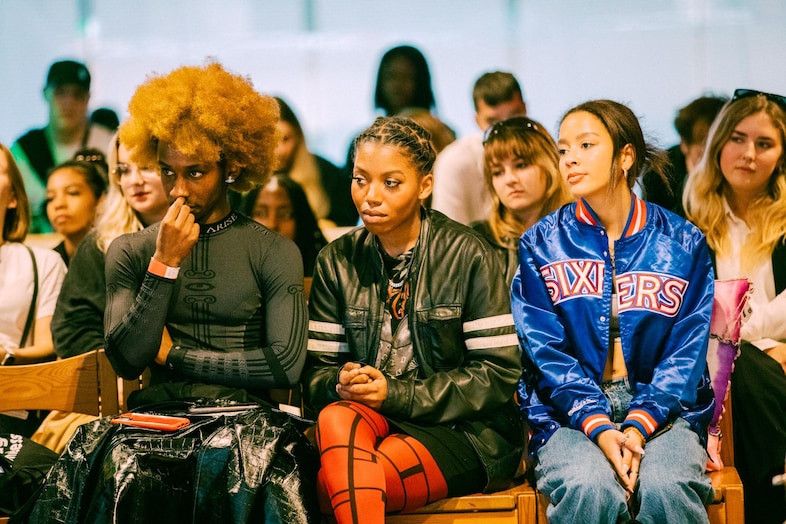
As coursework intensifies, it becomes easy to fall into the insular bubble of the university campus. However, industry insiders stress that the most valuable education often happens off-campus.
- Engaging with Local Ecosystems: Students should actively embed themselves in the cultural life of their university town. Reaching out to local graphic design studios, independent record labels, or fringe theatres for shadowing opportunities provides an invaluable, unvarnished look at industry operations.
- Leveraging Travel Bursaries and Open Access Schemes: Many forward-thinking companies and organizations—such as Creative Access—offer open days and work experience initiatives, occasionally providing travel reimbursements. Universities often hold untapped travel bursaries for professional development; students are encouraged to advocate for themselves and ask institutions for financial support to attend industry events.
Phase 3: Redefining Networking and Collaboration (Months 6–9)
Networking is frequently misunderstood by undergraduates as an intimidating corporate ritual of shaking hands with CEOs. Industry professionals argue for a complete reframing of this concept.
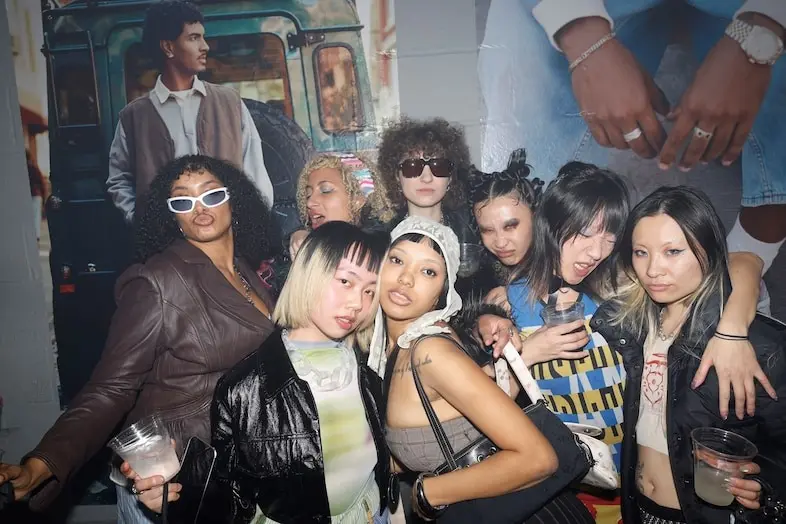
- Peer-to-Peer Synergy: Your fellow students are not merely classmates; they are the next generation of curators, editors, directors, and gallery owners. Cultivating strong peer relationships through collaborative projects, student-led collectives, and campus clubs often yields more fruitful creative partnerships than chasing high-profile internships.
- Micro-Mentorship: Building relationships with individuals who are only one or two years ahead in their careers can be just as impactful as connecting with industry veterans. These junior professionals offer fresh, highly relatable insights and are often more accessible via direct outreach or digital platforms like Dazed Club’s Ask Club.
Phase 4: Reality Checks and Resilience (Months 10–12)
As the academic year concludes, students confront the sobering realities of their chosen sectors. Whether it is discovering that working in gallery communications is 80% administrative logistics and only 20% art discussion, or experiencing the bruising rejection of freelance journalistic pitching, resilience becomes the ultimate survival tool.

The final phase of the first year is about synthesizing these lessons, establishing healthy boundaries against burnout, and learning to balance commercial viability with uncompromising artistic integrity.
Supporting Context & Metrics: The Anatomy of the Creative Economy
To fully appreciate why initiatives like the Antisyllabus are essential, one must examine the socio-economic context facing modern creative graduates.
The Hidden Realities of Creative Labor
The creative industries contribute billions to the global economy, yet entry-level positions remain notoriously precarious. Industry data consistently highlights several structural challenges for recent graduates:
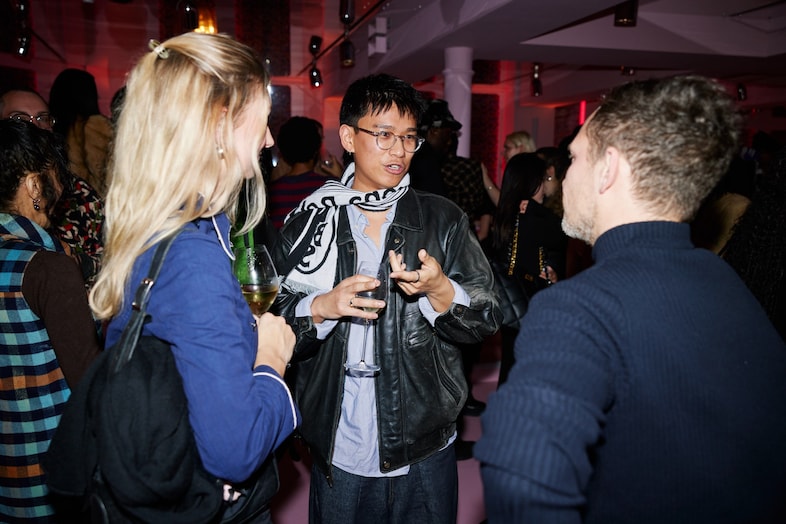
- The Administrative Burden: In sectors such as fine art curation and gallery management, approximately 70% to 80% of daily operations consist of non-art-related tasks, including logistics, shipping, inventory maintenance, and digital marketing.
- The "Exposure" Economy: Young creatives are frequently pressured to accept unpaid or undercompensated work under the guise of portfolio-building and exposure. While selective, strategic voluntary work can open doors—as demonstrated by many editors and producers who cut their teeth on unpaid student publications—exploitative labor practices remain a pervasive threat to sustainable careers.
- Burnout Rates: Creative fields foster a culture of constant productivity, leading to high rates of early-career burnout. Establishing personal boundaries is no longer optional; it is a vital professional skill.
Expert Insights from the Frontlines
"Your peers will be the next generation of artists and could be the ones booking you for a job." — Savina Benz (PR, Parties, and Production)
Savina Benz stresses that being physically present where art is created—whether on film sets, in recording studios, or at underground fashion exhibitions—is non-negotiable. Furthermore, she emphasizes that interpersonal grace is currency: "Be respectful of others’ time. Be kind to everyone, regardless of their experience."
Jamilat Bakare, a PR professional with a focus on archiving, echoes the sentiment that education does not stop at the lecture hall door: "If you have the time to go to insight days, whether virtually or in person, do try. Get involved with things happening in your university town or city."
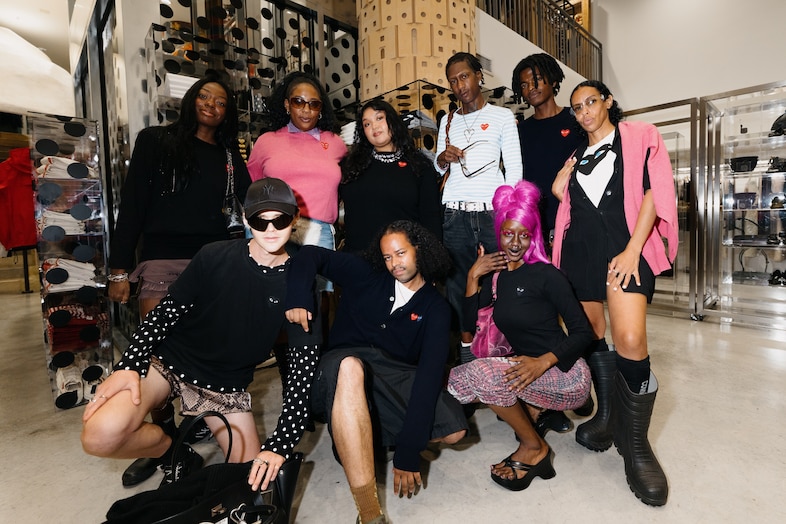
Meanwhile, writer Artemis McMaster-Christie encourages students to embrace the perceived impracticality of their degrees: "University is a great opportunity to completely fall in love with a subject, so you should be selfish and think as much as possible about the things you love on your course, rather than how you’ll make it into a hireable asset later."
Official Statements & Community Frameworks
The Antisyllabus campaign operates on the philosophy that creative education must be democratized, peer-driven, and accessible. Through platforms like Dazed Club, community-led initiatives are bridging the gap between ivory-tower academia and the turbulent realities of the working world.
Key Pillars of the Dazed Club Antisyllabus Framework:
- Democratizing Access to Knowledge: Providing transparent guides, open calls, and unfiltered advice from industry veterans who have successfully navigated the transition from student life to professional practice.
- Fostering Horizontal Communities: Encouraging students to look laterally rather than vertically. By building supportive creative communities through local clubs, independent zines, and collaborative art projects, students create resilient support networks that outlast their university tenure.
- Encouraging Radical Self-Inquiry: Promoting daily journaling, artistic experimentation, and the acceptance of failure. As fashion photographer Marcus Carrillo notes, "It’s normal to flop! Do a mix of projects that speak to your work as an artist, and work that can get you work, and if a project doesn’t work out, that’s ok."
Future Outlook: Redefining Success on Your Own Terms
As the creative landscape continues to evolve under the influence of digital platforms, shifting economic pressures, and changing cultural values, the definition of a successful career is undergoing a paradigm shift.
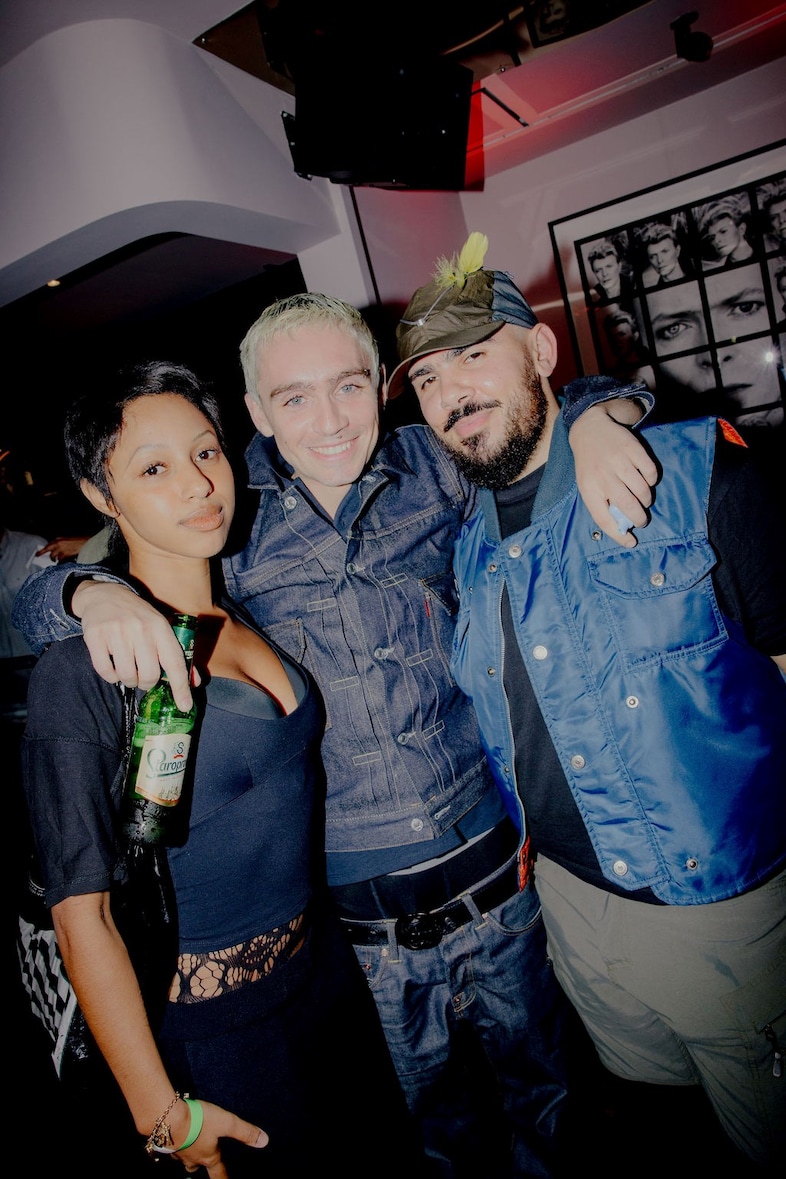
The traditional markers of success—climbing a corporate ladder or landing a prestigious title at a legacy institution—are increasingly being replaced by portfolio careers, independent self-publishing, decentralized collaborations, and entrepreneurial art-making.
For the incoming undergraduate, the takeaway is clear: university is not a factory designed to churn out standardized employees. It is a laboratory for self-discovery. By stripping away the pressure to conform to an idealized career trajectory, embracing the unglamorous administrative realities of the arts, and leaning heavily into peer solidarity, students can forge paths that are uniquely their own.
The Antisyllabus is more than a seasonal campaign; it is a call to arms for the next generation of creatives to take control of their education, escape the algorithm of conventional expectation, and build sustainable, authentic creative lives from the ground up.