Executive Overview
For an entire generation of millennial gamers, the phrase "old Blizzard" evokes a mythic era of PC gaming dominance—a time when the Irvine-based developer was perceived as an unyielding bastion of creative integrity, peerless polish, and uncompromising design standards. Decades later, that idealized epoch is often invoked as a stark contrast to the modern corporate realities of a Microsoft subsidiary. Yet, the events of BlizzCon 2026 offered a striking, if nuanced, departure from this cynical narrative.
When Blizzard executives took the stage to roll out a blockbuster slate—featuring heavy-hitters like World of Warcraft: Forever, Diablo 5, and an ambitious open-world shooter set within the StarCraft universe—the company signaled a return to blockbuster scale. But the most culturally resonant moments of the convention did not stem from pristine, future-facing IPs or trillion-dollar corporate synergies. Instead, they emerged from the unexpected resurrection of forgotten ghosts.
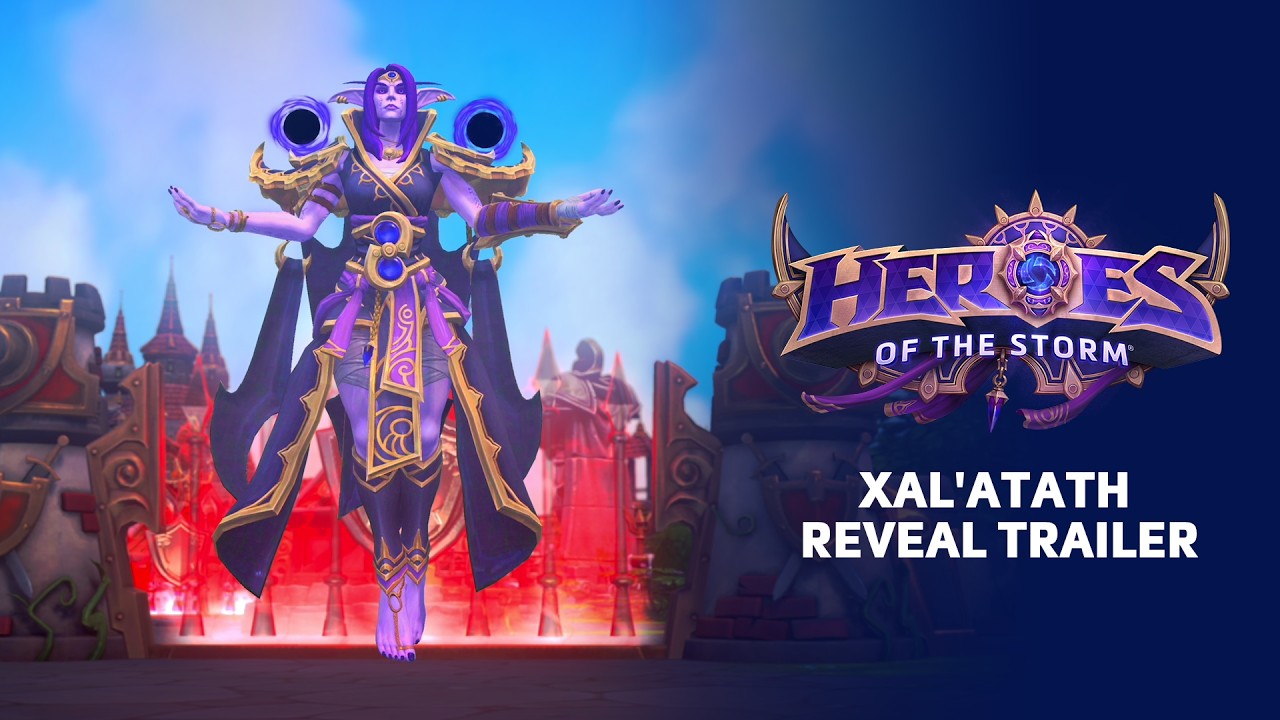
Kicking off the presentation with the revival of Heroes of the Storm—a niche Multiplayer Online Battle Arena (MOBA) relegated to bare-bones maintenance mode in 2022—Blizzard stunned the community by announcing the arrival of World of Warcraft antagonist Xal’atath as a playable hero. This marked the game’s first new character in six agonizing years. Paired with the surprise release of Forsaken Kingdom, a brand-new, full-length campaign for the notoriously star-crossed Warcraft 3: Reforged, these moves painted a complex picture of a studio grappling with its past.
This analysis investigates whether these gestures represent a systemic cultural renaissance at Blizzard or merely calculated maneuvers in a shifting live-service economy. Through an examination of community sentiment, historical precedents, and the paradoxical treatment of legacy portfolios like Diablo, we explore what it means for a publisher to breathe life back into abandoned digital ecosystems.
Detailed Chronology: From Abandonment to Resurgence
To understand the weight of Blizzard’s recent pivots, one must trace the timeline of abandonment that alienated so many core advocates over the prior decade.
The Great Sunsetting of Legacy Assets (2018–2022)
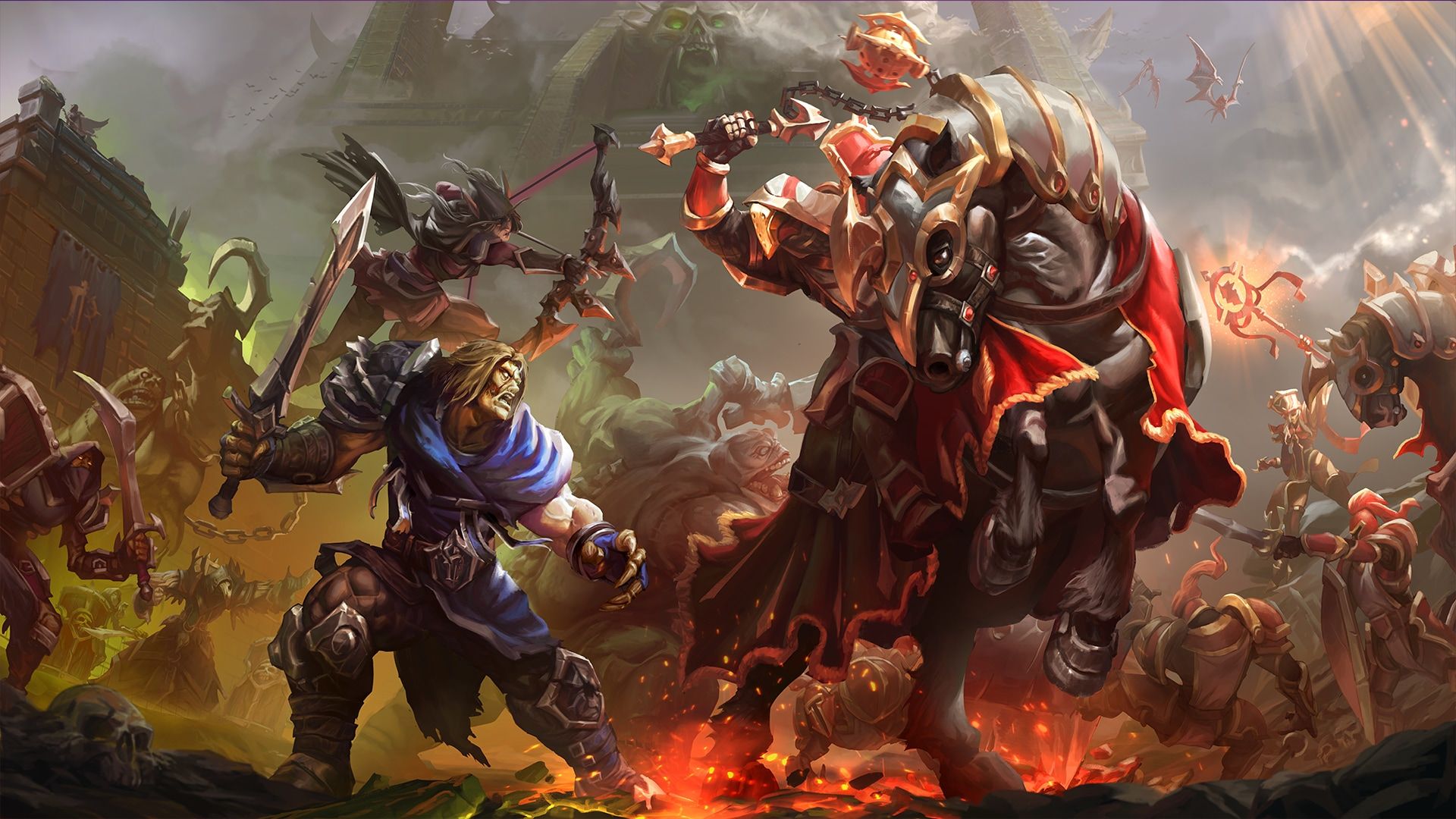
During this window, Blizzard systematically streamlined its portfolio to maximize resource efficiency. Heroes of the Storm, once positioned as a major contender in the eSports arena to challenge League of Legends and Dota 2, saw its competitive circuit (HGC) abruptly cancelled in late 2018. Development cycles slowed to a crawl until July 2022, when Blizzard officially moved the title into maintenance mode, promising bug fixes and balance patches, but no new content.
Concurrently, the launch of Warcraft 3: Reforged in January 2020 stands as one of the most troubled releases in the studio’s history. Plagued by missing promised features, technical regression, altered artistic direction, and a lack of modern multiplayer scaffolding, the title became a flashpoint for consumer frustration.
Similarly, the rollout of Diablo 4 in 2023 saw active development on Diablo 3 quietly ground to a halt, leaving millions of active players without seasonal updates as the studio concentrated its ARPG firepower entirely on newer releases.
The Turning Point: BlizzCon 2026
The paradigm shifted abruptly during BlizzCon 2026. Eschewing a convention structure entirely dedicated to forward momentum, Blizzard president Johanna Faries opened the keynote not with a multi-million-dollar franchise sequel, but with Heroes of the Storm. The initial audience reaction was tepid, oscillating between disbelief and cautious skepticism, but the introduction of Xal’atath shattered the six-year content drought.
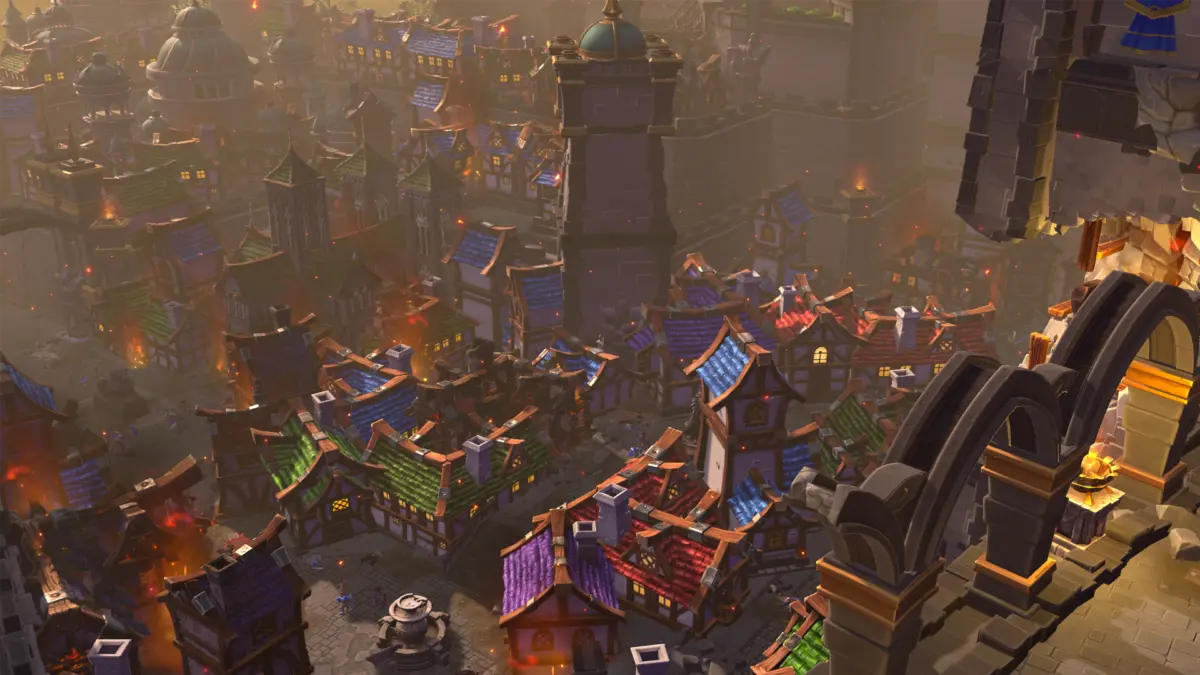
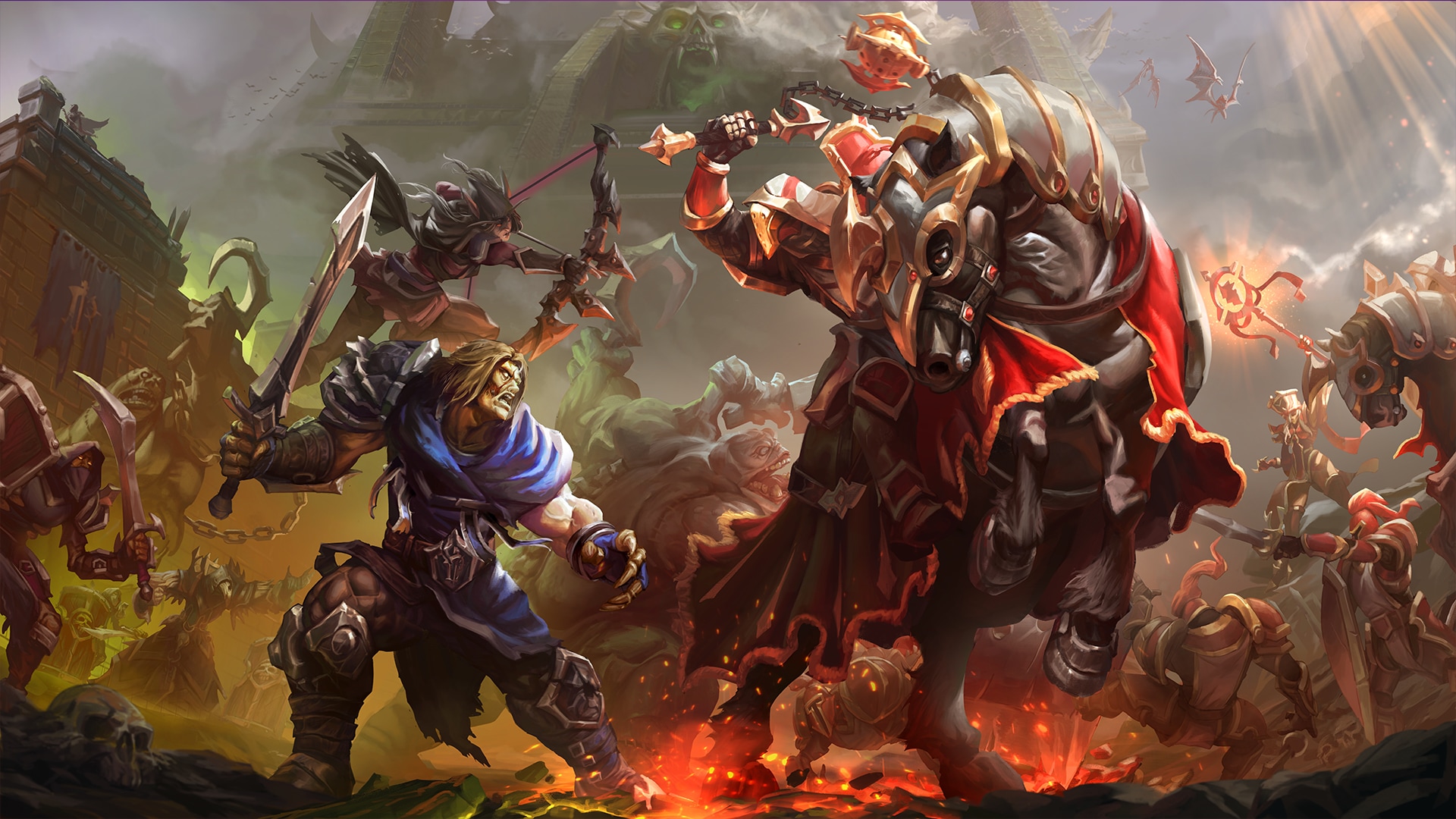
Over the same weekend, the studio dropped Forsaken Kingdom for Warcraft 3: Reforged—marking the first new official campaign content for the iconic RTS engine in over two decades. What began as a fractured, abandoned remaster suddenly possessed a tangible, albeit belated, validation.
Supporting Context & Metrics: The Economics of Nostalgia
The decision to revive projects long thought dead defies conventional corporate shareholder logic, which typically mandates aggressive reallocation of capital toward high-margin, high-retention live-service flagships.
The Cost-Benefit Paradox
From a strict return-on-investment (ROI) perspective, dedicating engineering, design, and writing talent to a game like Heroes of the Storm—which lacks an aggressive monetization pipeline or a booming esports ecosystem—looks financially irrational. Why spend precious labor hours developing a complex, lore-heavy hero like Xal’atath for a title that has already been written off by mainstream financial analysts?
[Traditional Corporate Model]
  └── Capital Allocation ──> New Flagship IP (Diablo 5 / WoW Expansions)
        └── Goal: Maximum Shareholder Yield & User Monopolization

[Blizzard's 2026 Hybrid Approach]
  └── Capital Allocation ──> New Flagship IP + Selective Legacy Resuscitation
        └── Goal: Goodwill, Brand Equity, & Community Retention
Industry analysts point to brand equity and goodwill generation as the invisible metrics driving these decisions. In an industry where consumer trust is increasingly fragile, maintaining active infrastructure—and occasionally throwing a bone to die-hard communities—acts as a psychological anchor. It reassures players of mainline franchises like World of Warcraft and Diablo that their long-term investments in the ecosystem will not evaporate the moment commercial metrics dip below aggressive thresholds.
The Paradox of the Diablo Franchise
This strategic inconsistency becomes starkest when examining the Diablo universe. While Diablo 4, Diablo Immortal, and Diablo 2: Resurrected receive heavy infrastructural support and anniversary revamps, Diablo 3 remains isolated in maintenance mode.
Despite Blizzard’s own internal data acknowledging that Diablo 3 retains millions of loyal players, the specter of user cannibalization prevents the studio from running parallel seasonal updates that might divert eyes or wallets away from the cash shop of Diablo 4. When weighed against World of Warcraft—which successfully juggles multiple timeline iterations and game versions (Retail, Classic, and now experimental forks)—the absence of love for Diablo 3 proves that Blizzard’s newfound benevolence has strict, economically enforced boundaries.

Official Statements and Community Perspectives
The reception to these developments has revealed a profound psychological shift within the hardcore PC gaming community.
Managing Expectations: The "Janitor" Era
Speaking with industry outlets during BlizzCon 2026, key developers—affectionately referred to by fans through figures like James "Janitor" Yen—took great pains to manage expectations. Rather than promising a roaring, full-scale return of development teams on the scale of Overwatch or Hearthstone, communications focused squarely on sustainability.
Community sentiment on hubs like Reddit and specialized forums reflects this cautious realism. Players are not demanding monthly updates or a revived professional league; rather, they are expressing genuine shock and delight at the baseline acknowledgment of their loyalty. Paradoxically, the community has even fallen back into nostalgic routines—such as fiercely debating whether the newly released Xal’atath is fundamentally overtuned in the current HOTS meta.
The Warcraft 3 Pricing Debate
The release of Forsaken Kingdom for Warcraft 3: Reforged also ignited robust discourse regarding valuation. Priced at $30, the new campaign has faced accusations of sticker shock from veterans who remember when expansions offered even more sweeping mechanical overhauls.
+-----------------------------------------------------------------+
|              COMMUNITY RECEPTION MATRIX (BLIZZCON 2026)         |
+--------------------------+--------------------------------------+
| Project                  | Primary Community Sentiment          |
+--------------------------+--------------------------------------+
| Heroes of the Storm      | Shocked optimism; meta complaints    |
| (Xal'atath Update)       | over overtuned balancing.            |
+--------------------------+--------------------------------------+
| Warcraft 3: Reforged     | Appreciation for new content mixed   |
| (Forsaken Kingdom DLC)   | with minor sticker shock ($30 price).|
+--------------------------+--------------------------------------+
| Diablo Franchise         | Lingering frustration regarding the  |
|                          | continued omission of Diablo 3.      |
+--------------------------+--------------------------------------+
Yet, balanced against the historical baggage of the 2020 launch, most strategists and long-time players agree: receiving a full-length, professional-grade single-player campaign for a 24-year-old real-time strategy classic is an unprecedented luxury in an industry obsessed with planned obsolescence.
Future Outlook: What Lies Ahead for Blizzard’s Legacy Portfolio?
As Blizzard navigates its post-acquisition future under Microsoft, the landscape of live-service game management is undergoing a structural transformation across the entire AAA sector. Publishers are increasingly pressured to demonstrate long-tail value for existing communities rather than constantly cycling through short-lived live-service experiments that flame out within eighteen months.
Will the Trend Expand?
The critical question facing Blizzard leadership is whether the success of the Heroes of the Storm update and the Forsaken Kingdom DLC will serve as a proof-of-concept for broader legacy stewardship.
- Selective Resurrections: It is unlikely that Blizzard will throw open the doors to every abandoned title in its historical archive. Projects requiring massive server overhead with minuscule active user bases will likely remain dormant.
- Passion-Driven Projects: Both the HOTS update and the Warcraft 3 campaign suggest that these initiatives are frequently championed by internal development cells—veteran developers who retain deep emotional ties to these worlds and possess the organizational clout to push smaller, high-impact passion projects through corporate approval pipelines.
- The Goodwill Dividend: As competition for player attention reaches an all-time high, brand equity built on treating legacy fans with respect serves as a powerful differentiator against competitors driven purely by algorithmic monetization.
Conclusion
The "old Blizzard" that millennials remember with rose-colored glasses is not coming back. The corporate structures, market pressures, and industry economics of the modern gaming landscape preclude a full reversion to the independent studio ethos of the late 1990s and 2000s.
Yet, the events of BlizzCon 2026 demonstrate that a pulse still beats at the core of the machine. It is a pulse driven not by cold-hearted optimization, but by the stubborn devotion of developers who refused to let their past creations entirely fade into digital dust. For players, this means that while unconditional revivals remain rare, a little bit of oxygen can still occasionally find its way to the games they love.