Executive Overview
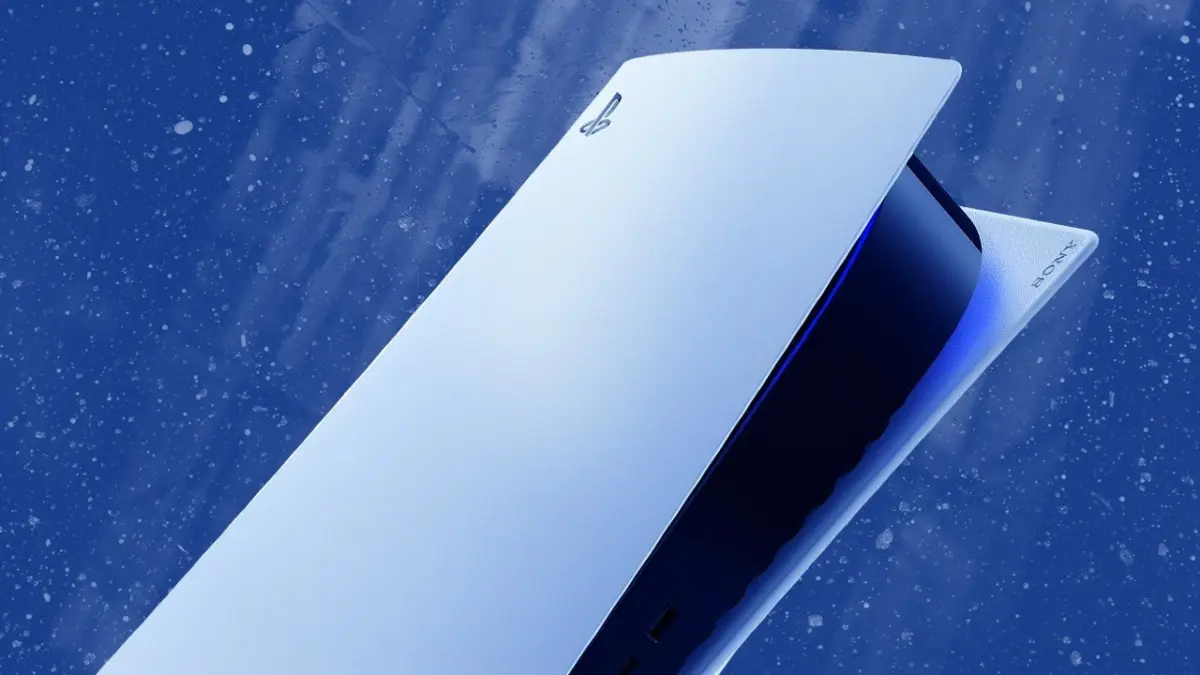
In an unusual and aggressive direct-to-consumer initiative, multinational technology and entertainment conglomerate Sony is offering up to $400 in direct bank deposits to users willing to part ways with their PlayStation 5 hardware and accompanying accessories. Spotted initially by eagle-eyed community members and circulated widely across enthusiast forums, the program bypasses traditional third-party retailers, seeing the platform holder reach directly into the pockets of its existing consumer base via push notifications on the official PlayStation mobile application.
This direct-purchase strategy offers up to $400 for standard PS5 consoles bundled with two controllers. While seasonal trade-in programs are a historical cornerstone of traditional brick-and-mortar operations like GameStop, Best Buy, and local game stores, a console manufacturer initiating direct hardware buybacks at this scale is virtually unprecedented. Industry analysts view this maneuver not merely as a localized holiday promotion, but as a calculated logistical play. By securing pre-owned stock straight from the source, Sony appears to be fortifying its inventory pipelines against looming hardware shortages, managing surging aftermarket prices, and preparing a steady stream of refurbished hardware to capture budget-conscious consumers priced out of brand-new units.
The timing of this campaign coincides with a volatile macroeconomic landscape for the gaming industry. Standard brand-new PlayStation 5 units currently command between $600 and $650, heavily influenced by regional pricing updates, inflation, and shifting manufacturing costs. Meanwhile, the premium, performance-focused PlayStation 5 Pro—which retails at an already steep $900—has faced severe inventory constraints. Fueled by unprecedented consumer demand ahead of blockbuster releases such as Rockstar Games’ Grand Theft Auto VI, the PS5 Pro has become a primary target for scalpers and opportunistic resellers. Used PS5 Pro models have even surfaced on secondary markets and select retail platforms at staggering markups reaching up to $1,400.
Against this backdrop of inflated hardware costs, Sony’s $400 direct trade-in offer presents a surprisingly lucrative exit strategy for early adopters. For players who purchased their systems at the original $500 launch MSRP years ago, recovering $80% of their initial hardware investment—provided they include a secondary controller—represents an uncommonly high retention of residual value compared to previous console generations.
Detailed Chronology: How the Program Unfolded
The existence of Sony’s direct trade-in initiative first came to light through grassroots digital discovery rather than a formal press release or public relations campaign.
Initial Discovery on ResetEra
On November [X], ResetEra user Jay_Horror published a thread alerting the online gaming community to a peculiar alert received on their mobile device. According to the user, opening the official PlayStation mobile application triggered a targeted promotional notification. Rather than advertising an upcoming game release, a digital sale on the PlayStation Store, or a new hardware accessory, the notification extended an explicit invitation: Sony wanted to buy back consumer consoles.
The alert directed users to a dedicated landing page where they could input their console details, verify their hardware condition, and arrange for a direct electronic cash transfer to their personal bank accounts upon successful inspection and receipt of the hardware.
Expanding Digital Footprint
Shortly after the initial ResetEra post, users across North America and select international markets began reporting similar app notifications. Social media platforms—including Reddit, X (formerly Twitter), and specialized hardware tracking communities—lit up with screenshots of the offer.
Unlike traditional trade-in experiences where consumers receive store credit restricted to a specific merchant, Sony’s iteration promised cold, hard cash deposited straight into bank accounts. This distinction immediately separated the initiative from standard retail buyback models, signaling that Sony was interested in absorbing physical inventory back into its own proprietary supply chain rather than letting third-party storefronts dictate secondary market liquidity.
Industry Observer Reactions
As news of the program spread across major gaming outlets, analysts and industry commentators began breaking down the logistics. Questions immediately arose regarding the operational infrastructure required to handle hundreds of thousands of used consoles: Where would these units be shipped? Who would handle the refurbishment, testing, and repackaging? And most importantly, what would Sony ultimately do with the reclaimed hardware?
By cutting out the middleman, Sony has positioned itself as the ultimate arbiter of the secondary PlayStation ecosystem. Rather than watching third-party liquidators and pawn shops profit off the resale of aging hardware, the manufacturer is actively reclaiming its own devices, ensuring that every link in the circular economy of its platform remains under corporate oversight.
Supporting Context & Metrics: The Modern PlayStation Pricing Crisis
To fully understand the gravity of Sony’s $400 buyback program, one must examine the broader economic pressures currently gripping the global hardware market. The PlayStation 5, which debuted in November 2020 at a baseline manufacturer’s suggested retail price (MSRP) of $499.99 for the standard model and $399.99 for the Digital Edition, has experienced a turbulent lifecycle characterized by global supply chain disruptions, component shortages, and subsequent price hikes.
Current Retail Landscape
In many key global markets, standard retail pricing for brand-new PlayStation 5 hardware has climbed significantly. Consumers looking to purchase a brand-new console today are routinely facing price tags ranging from $600 to $650, depending on the inclusion of a physical disc drive.
The introduction of the high-end PlayStation 5 Pro further fractured the consumer base. Priced at a staggering $900 out of the box, the Pro model targets enthusiasts demanding uncompromised fidelity and frame rates. However, the intersection of high baseline manufacturing costs and the impending cultural juggernaut that is Grand Theft Auto VI has triggered an unprecedented squeeze on high-performance gaming hardware.
The Scalper Economy and Inflated Resale Values
With demand vastly outstripping manufacturing output for the PS5 Pro, secondary markets have descended into chaos. Scalpers, automated bot rings, and opportunistic third-party resellers have capitalized on the inventory drought.
In particularly egregious cases, major traditional retailers and secondary online marketplaces have listed pre-owned or open-box PS5 Pro units at astronomical prices. Reports from verified retail trackers indicate that used PS5 Pro consoles have commanded prices as high as $1,400—representing a staggering $500 markup over Sony’s original retail price.

This runaway inflation has created a two-tiered gaming demographic: a well-heeled segment of hardcore enthusiasts willing to pay a massive premium for bleeding-edge performance, and a massive base of mainstream players priced out of current-generation hardware upgrades.
Historical Depreciation vs. Modern Residual Value
Sony’s offer of $400 for a standard PS5 (plus two controllers) upends historical trends regarding console depreciation.
During the corresponding era of the PlayStation 4’s lifecycle, returning a used console to a major retailer like GameStop typically yielded a fraction of its original value. As hardware aged, trade-in values plummeted rapidly, often dropping below $150 to $200 within a few years of release. Retailers had to account for overhead, operating costs, and profit margins, resulting in low valuations for consumers.
By offering $400 directly—factoring in the inclusion of a second DualSense controller, which retails independently for around $70—Sony is offering an exceptionally generous return. For an early adopter who has enjoyed four years of entertainment on their console, recouping 80% of the base hardware cost is an unprecedented financial cushion, making an upgrade to a newer system or a complete exit from console gaming far more palatable.
Strategic Motivations: Why is Sony Buying Back Its Own Consoles?
Industry insiders and supply chain experts have proposed several compelling theories regarding why a multi-trillion-dollar corporate giant would actively solicit the return of used hardware directly from its user base.
1. Mitigating Component Shortages and Manufacturing Costs
Global semiconductor markets remain fragile, and the raw materials required to manufacture advanced system-on-chips (SoCs), high-speed GDDR6 memory, and custom cooling solutions are subject to ongoing price volatility.
By reclaiming functional, pre-owned consoles, Sony can efficiently harvest, refurbish, or redeploy working components. Alternatively, fully refurbished systems can be reissued to the market at a lower price point, satisfying budget-conscious consumers without requiring Sony to absorb the high manufacturing cost of producing entirely new units from raw silicon wafers.
2. Capturing the Refurbished Market
The market for certified refurbished electronics is a multi-billion-dollar juggernaut. Historically, third-party refurbishment companies and independent retailers have captured the vast majority of profit margins generated by the resale of used gaming hardware.
By cutting out third-party entities, Sony ensures that every stage of the product lifecycle generates revenue or brand loyalty within its proprietary ecosystem. A refurbished PS5 sold directly by Sony comes with the manufacturer’s stamp of approval, ensuring hardware reliability while keeping prospective buyers locked into the PlayStation Network (PSN) digital storefront, subscription tiers (PlayStation Plus), and software ecosystems.
3. Smoothing the Transition to Next-Gen and Mid-Gen Upgrades
With the PS5 Pro establishing a new ultra-premium tier and massive software releases on the horizon, Sony needs to facilitate smooth hardware migrations for its existing user base. If an owner of a standard PS5 can seamlessly trade in their console for $400 cash via a simple app notification, they are far more likely to take the plunge and upgrade to a PS5 Pro or direct those funds toward upcoming software purchases.
By removing friction from the trade-in process, Sony actively stimulates hardware churn, keeping its user base engaged and preventing players from migrating to competing platforms like PC or Xbox out of financial frustration.
Future Outlook: What This Means for Consumers and the Industry
As the gaming industry looks toward the horizon—marked by the inevitable march toward future hardware iterations and monumental software launches—Sony’s direct-to-consumer buyback program may well serve as a watershed moment for console manufacturing economics.
Will Other Manufacturers Follow Suit?
The success of this pilot notification campaign will likely dictate whether competitors adopt similar strategies. If Microsoft or Nintendo observe that direct buybacks successfully stabilize hardware pipelines and recapture secondary market value, direct-to-consumer trade-in apps could become an industry standard.
Rather than relying entirely on retail partners to manage used inventory, platform holders possess the unique advantage of direct digital communication channels (such as console dashboards and mobile apps) to solicit trade-ins instantly and at scale.
Consumer Takeaways: Should You Take the Deal?
For the average consumer sitting on a launch-era PlayStation 5 with an extra controller lying around, the decision boils down to personal gaming habits.
- The Casual Player: If your PS5 is currently gathering dust or seeing minimal use outside of streaming apps, securing $400 cash directly from the manufacturer is an exceptional return on a four-year-old entertainment device.
- The Hardcore Enthusiast: If you are eyeing an upgrade to a PS5 Pro or preparing for heavy-hitting upcoming titles, utilizing Sony’s program provides a guaranteed, hassle-free way to offset the steep cost of modern hardware upgrades without dealing with the perils, scams, and low-ball offers common on peer-to-peer marketplaces like eBay or Facebook Marketplace.
Ultimately, Sony’s bold initiative underscores the shifting realities of modern hardware economics. As console prices climb and manufacturing complexities mount, the lifecycle of a gaming system no longer ends at the retail checkout counter—it has evolved into a circular, managed ecosystem where manufacturers are willing to buy back yesterday’s hardware to power tomorrow’s digital frontier.