Executive Overview
Over two decades after Blizzard Entertainment first opened the Dark Portal and invited millions of players into the sprawling universe of Azeroth, the definitive MMORPG is redefining its legacy yet again. The release of World of Warcraft: Forever marks a monumental shift for the franchise, offering fans a third distinct pillar of gameplay—or a sixth and seventh, depending on how one calculates the dizzying array of historical permutations now available under a single subscription umbrella.
Launching globally on November 4, 2026, at 6:00 PM EST (with regional rollouts spilling into November 5 depending on the player’s time zone), Forever occupies a fascinating middle ground in the World of Warcraft ecosystem. It is neither the modern, highly systemic retail game that has evolved through a decade’s worth of expansions, nor is it a pure, unadulterated preservationist museum piece like the original World of Warcraft Classic servers launched in 2019. Instead, World of Warcraft: Forever is a meticulously crafted "retro remix." It uses the foundation of the 2004 launch product—re-creating the exact atmosphere, design philosophy, and geographic scale that captivated a generation 22 years ago—while seamlessly infusing modern quality-of-life updates, class rebalancing, graphical enhancements, and brand-new content.
As players prepare to dust off their spellbooks, forge new guilds, and argue once more over the perils of Stranglethorn Vale, Forever represents Blizzard’s acknowledgment of an enduring truth: while the gaming industry moves forward at a breakneck pace, the emotional pull of Azeroth’s earliest days remains an untouchable cultural touchstone. Included natively within a standard World of Warcraft subscription, Forever invites lapsed veterans and curious newcomers alike to step back in time, experiencing the 2004 version of the game precisely "as it felt, but never quite was."
Detailed Chronology: From Vanilla Roots to the Forever Era
To truly understand the weight of World of Warcraft: Forever, one must trace the winding, often unpredictable historical trajectory of the world’s most famous massively multiplayer online role-playing game.
The 2004 Phenomenon: Where It All Began
When World of Warcraft launched in North America on November 23, 2004, it shattered preconceived notions of what an online video game could achieve. Built on the rich lore of the Warcraft real-time strategy series, the game dropped players into a vast, seamless open world divided between two bitterly opposed factions: the noble, unified Alliance and the ferocious, survivalist Horde.
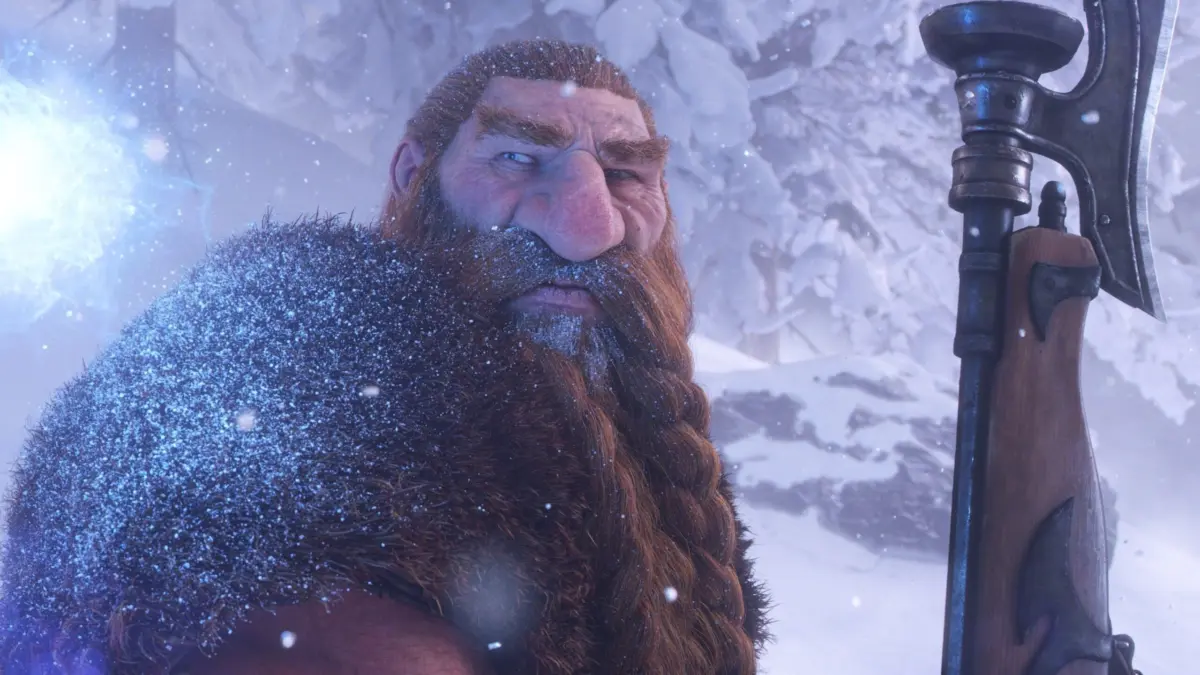
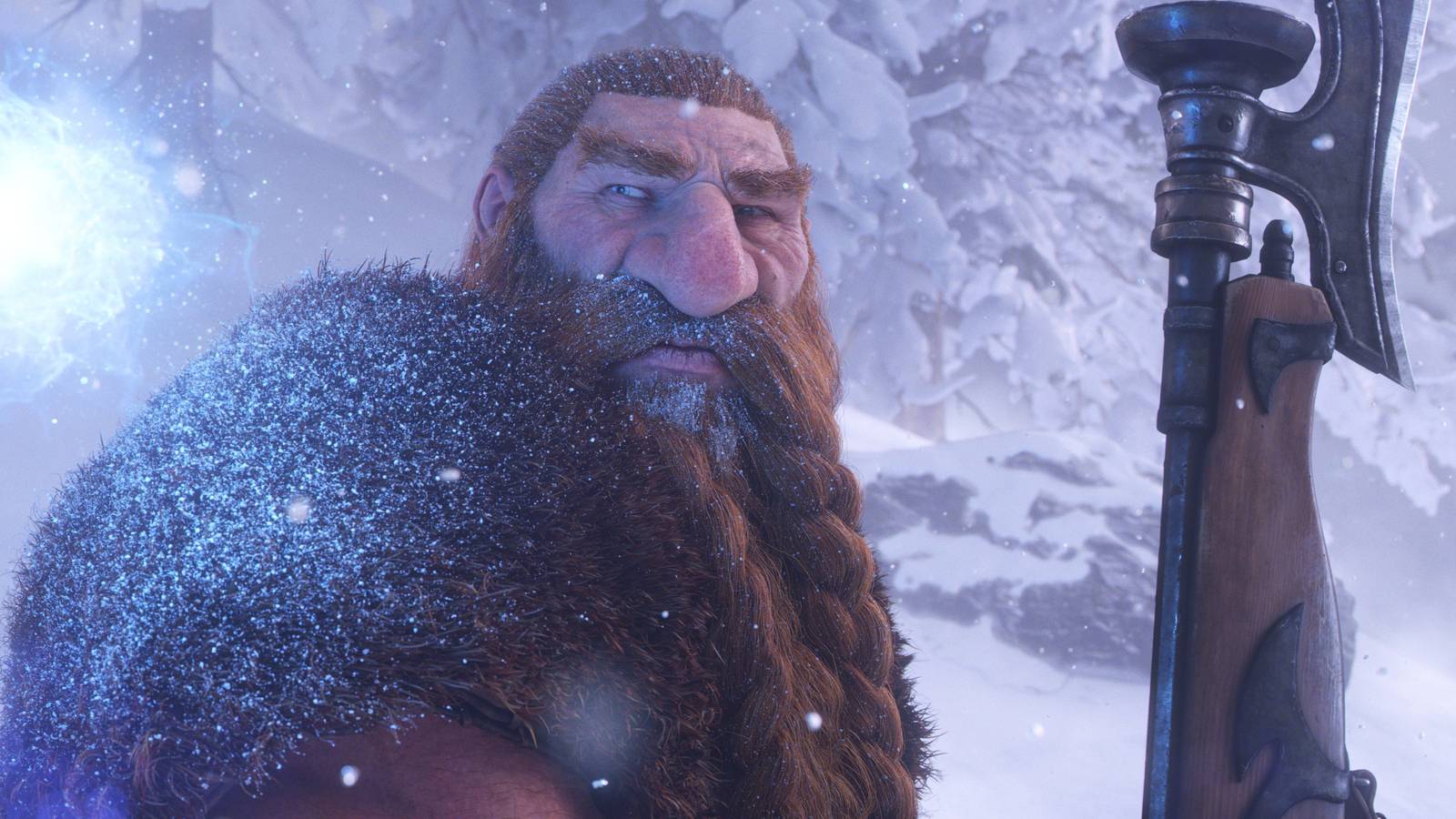
The early days of vanilla WoW were characterized by unyielding challenges, long journeys across continents on foot or via slow mounts, deeply social progression systems, and 40-player raids like Molten Core and Naxxramas that required staggering coordination. For millions, this era—marked by the iconic dwarf hunter and night elf mohawks of early marketing campaigns—became the gold standard of digital camaraderie.
The Evolution and Fragmentation of Azeroth
Over the subsequent two decades, World of Warcraft refused to stand still. Through major expansions like The Burning Crusade, Wrath of the Lich King, Cataclysm (which famously shattered the original game world), and onward into modern iterations, the game underwent radical systemic changes. Character levels ballooned, abilities were pruned and streamlined, and the game shifted from an immersive, dangerous world to a fast-paced, lobby-adjacent endgame loop.
By the late 2010s, a massive grassroots movement demanded the return of the original game, leading to the triumphant 2019 release of World of Warcraft Classic. The success of Classic proved that players hungered not just for nostalgia, but for the deliberate pacing and community-driven design of the past. Subsequent projects—such as Classic Hardcore and seasonal experiments like Season of Discovery—pushed the boundaries of what retro servers could achieve.
The Genesis of Forever
Recognizing that players loved the spirit of 2004 WoW but often chafed against its archaic design annoyances (such as clunky UI elements, severe class imbalances, and bugs ironed out decades ago), Blizzard conceptualized World of Warcraft: Forever. Development began quietly as an ambitious love letter to the original game’s visual and spatial identity.
The core team aimed to rebuild the classic experience from the ground up utilizing modern engine architecture. This allowed them to retain the precise polygon counts, lighting palettes, and level designs of 2004 while injecting crisp graphical enhancements, robust performance optimization, and extensive balance passes. After years of closed testing and community feedback sessions, the release date was locked in for November 2026, setting the stage for Azeroth’s most anticipated return.
Supporting Context & Metrics: What to Expect in Forever
World of Warcraft: Forever is not merely a carbon copy of the 2004 release; it is an idealized version of it. It bridges the gap between historical accuracy and contemporary gaming expectations.
The Core Pillars: Factions, Races, and Classes
At launch, Forever restores the classic nine character classes and eight playable races, locked firmly into the legendary socio-political divide between the Horde and the Alliance. True to the original ethos, members of opposing factions cannot communicate, group together, or cross certain territorial boundaries without courting immediate disaster.
Every zone, dungeon, raid, and capital city from the original two massive continents—Eastern Kingdoms and Kalimdor—is present and accounted for. Players will once again brave the murky depths of Blackfathom Deeps, navigate the treacherous corridors of Blackrock Mountain, and fight for control over the bustling, chaotic battlegrounds of Warsong Gulch and Alterac Valley.
Modernizations and "Retro Remix" Mechanics
While the geography and class archetypes remain fiercely loyal to 2004, the underlying infrastructure has received a massive overhaul:
- Class Rebalancing: Notorious design dead-ends from the original release—such as utility-starved hybrid specs or utterly unviable talent trees—have been thoughtfully rebalanced. While classes still feel distinct and tied to their classic identities, the sheer frustration of mandatory spec pigeonholing has been alleviated.
- Graphical Enhancements: The world retains its nostalgic art style but benefits from modern rendering techniques, higher draw distances, dynamic lighting, and smoother frame rates, ensuring it runs brilliantly on contemporary PC hardware.
- Quality-of-Life Integration: Inventory management, quest tracking clarity, and user interface customization options have been brought up to modern standards, eliminating the clunkiness that hindered early 2000s gameplay without ruining the core immersion.
The Skyborne Expansion Caveat
While core access to World of Warcraft: Forever is included natively with any active World of Warcraft subscription, Blizzard has introduced a notable structural exception: The Skyborne. This new content addition, along with access to its specific starting zones, is sold separately. This has sparked spirited debate within the community regarding how post-launch content will gate players, though early sentiment suggests high willingness to adopt the new additions.
Official Statements and Industry Insights
The rollout of Forever has prompted extensive commentary from Blizzard’s development leadership, who have emphasized the delicate balancing act required to honor the past without simply repeating its mistakes.
In a recent developer roundtable, Lead Producer Elena Vance noted the philosophy guiding the project:
"We didn’t want to make a museum exhibit where people look at the glass and remember how things used to be. We wanted to recreate the feeling of logging into World of Warcraft for the very first time in November 2004—the absolute wonder, the danger, the sheer scale of the world—while ensuring that the game respects the time and expectations of today’s players. Forever is the game we remember playing, filtered through the wisdom of twenty-two years of game design."
Industry analysts have likewise praised the move as a masterclass in retention and franchise longevity. By bundling Forever into the standard subscription fee, Blizzard has effectively removed the financial barrier to entry, encouraging lapsed subscribers to return to the fold simply by downloading the client.
Financial analysts tracking Activision-Blizzard’s post-acquisition metrics point out that multi-product MMORPG ecosystems—where players can jump freely between retail expansions, historical progression servers, hardcore modes, and now Forever—create an almost impenetrable ecosystem. Players no longer need to cancel their subscriptions when a modern expansion hits a content lull; they simply pivot to an alternate version of Azeroth.
Future Outlook: The Long-Term Horizon for Forever
As the global servers prepare to go live on November 4, 2026, the burning question on everyone’s mind is: What comes next?
Unlike traditional classic servers that eventually progressed chronologically through expansions like The Burning Crusade and Wrath of the Lich King, the moniker Forever implies a sustained, horizontal focus on the original 2004 vanilla experience. Rumors within the community suggest that Blizzard may adopt a seasonal content cadence for Forever, introducing "lost" dungeons, cut content from the 2004 development builds, and fresh world events that never made it into the original retail release.
Furthermore, the integration of new content like The Skyborne hints at a bold trajectory: an alternate-timeline Azeroth where the core world of 2004 continues to grow and expand organically, untouched by the cataclysmic events that reshaped the planet in later retail expansions. If successful, World of Warcraft: Forever could establish a permanent, parallel universe for the franchise—one where the classic spirit of adventure never has to die, and the journey across the Barrens remains as fresh, dangerous, and captivating as it was twenty-two years ago.