Executive Overview
For nearly three decades, Capcom’s Resident Evil franchise has anchored the survival horror genre, morphing from a fixed-camera B-movie experiment into a blockbuster multi-media juggernaut. As the franchise hits another milestone with the release of Resident Evil Requiem—alongside the critical success of Zach Cregger’s fresh, lore-agnostic take on the property on the silver screen—the timing has never been better to look back at the overarching narrative.
With 11 core entries spanning various gameplay philosophies, the mainline Resident Evil catalog features some of the highest highs and lowest lows in gaming history. Grouping foundational originals alongside their celebrated remakes to examine their collective impact on the story, this definitive ranking breaks down how the series has evolved, stumbled, reinvented itself, and ultimately secured its place in the pantheon of interactive entertainment.
Detailed Chronology: Ranking the 11 Core Entries
11. Resident Evil 5
There are defenders of Resident Evil 5 who will argue it is an underrated gem, citing hidden nuances in its narrative or the undeniable arcade-like thrill of its co-op mechanics. To each their own, but revisiting Resident Evil 5 today reveals a torturously clumsy third-person shooter that has aged remarkably poorly. Its pivot away from isolated dread toward sun-drenched, boulder-punching action stripped the franchise of its signature atmosphere, leaving behind a mechanical artifact that feels more like a chore than a nightmare.
10. Resident Evil 6
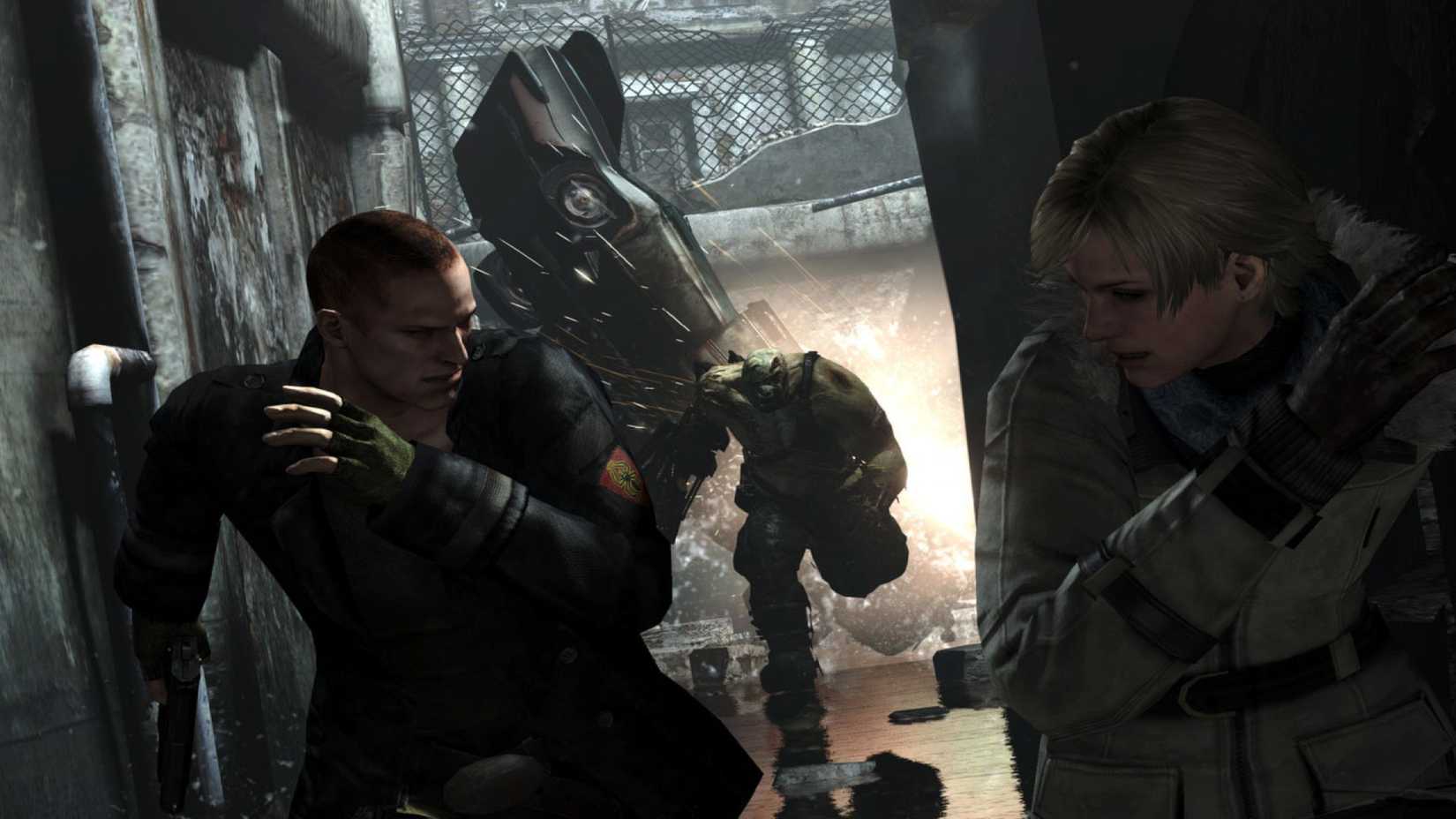
An unapologetic mess of bombast, Resident Evil 6 takes the B-movie energy of the early games and dials it up to a deafening, exhausting peak. It plays terribly, plagued by an overcrowded camera and overstuffed campaigns that regularly lose the plot. Yet, it earns marginal credit for committing fully to its own absurdity. Leon S. Kennedy’s campaign, in particular, offers an underappreciated distillation of franchise wackiness, even if the game as a whole remains a low point for survival horror purists.

9. Resident Evil 0
Resident Evil 0 boasts a brilliant elevator pitch: a prequel set almost entirely aboard a claustrophobic, moving train that literalizes and stretches the puzzle-box design philosophy of its predecessors. Unfortunately, the execution falls flat. Beyond that memorable opening set piece, the game relies heavily on frustrating inventory management quirks—such as dropping items directly onto the floor—and largely functions as superfluous fan service that pales in comparison to the GameCube remake of the original game.
8. Resident Evil Code: Veronica
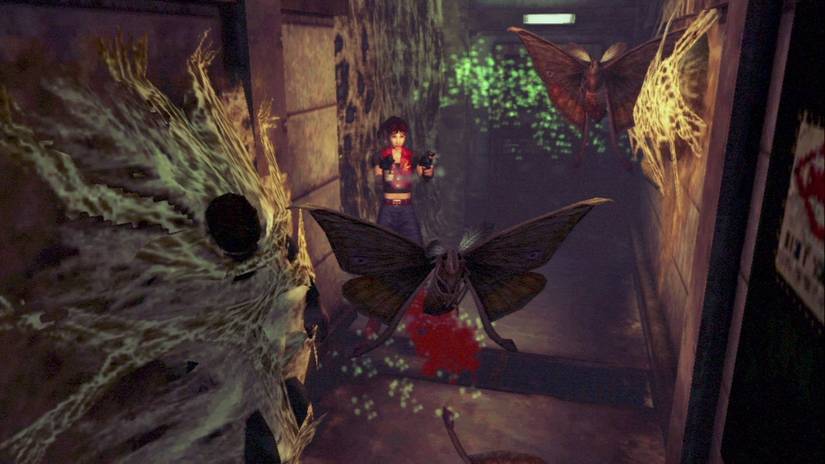
Historically, Code: Veronica is remembered as a crowning achievement for a franchise operating at the height of its classic fixed-camera era. Returning to Claire Redfield’s harrowing journey today, however, requires wrestling with tank controls and pacing hurdles that have not aged gracefully. It is a vital chapter in the series lore that demands patience from modern players, though anticipation for an inevitable, long-overdue modern remake has sparked renewed interest in its gothic horrors.
7. Resident Evil Village
Resident Evil Village is a masterclass in tonal whiplash, ranking high or low depending on how players respond to its eclectic theme-park design. House Beneviento’s nightmarish, doll-filled psychological horror stands as one of the finest hours in modern gaming; conversely, the industrial, Frankenstein-inspired factory sequence drags the pacing down. This unevenness is part of Village’s eccentric charm, ensuring that every player will find at least one segment they adore surrounded by polarizing action beats.
6. Resident Evil 3
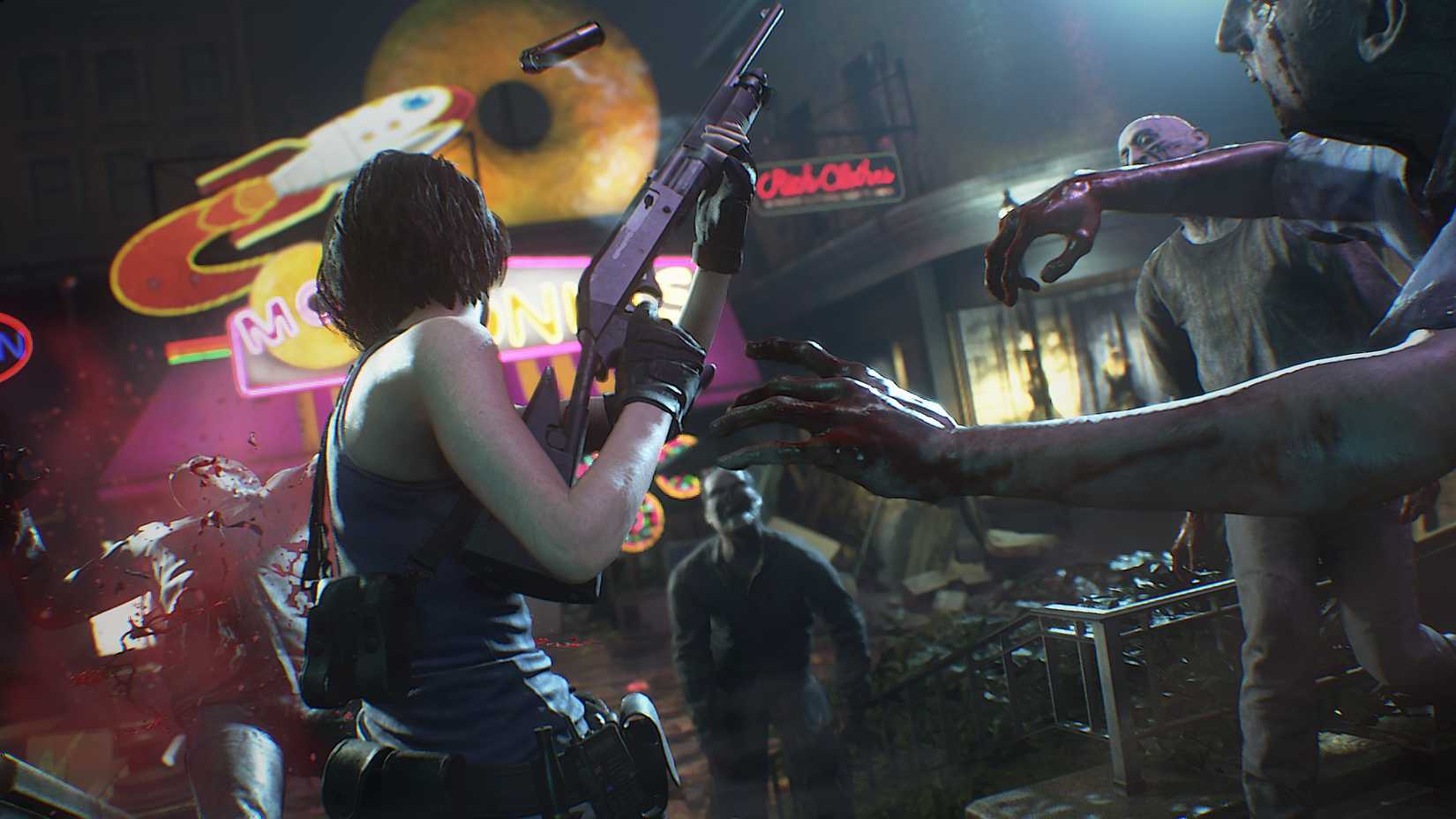
Though its 2020 remake lacked the transformative cultural impact of its predecessor, the core identity of Resident Evil 3 remains fundamentally vital. The introduction of Nemesis—a relentlessly pursuing, bioweapon stalker—gave the series a terrifying calling card that future games would emulate for decades. More importantly, it provided Jill Valentine with a definitive spotlight, and her cool, unflappable composure carries both the frantic 1999 original and its modern reimagining.
5. Resident Evil Requiem
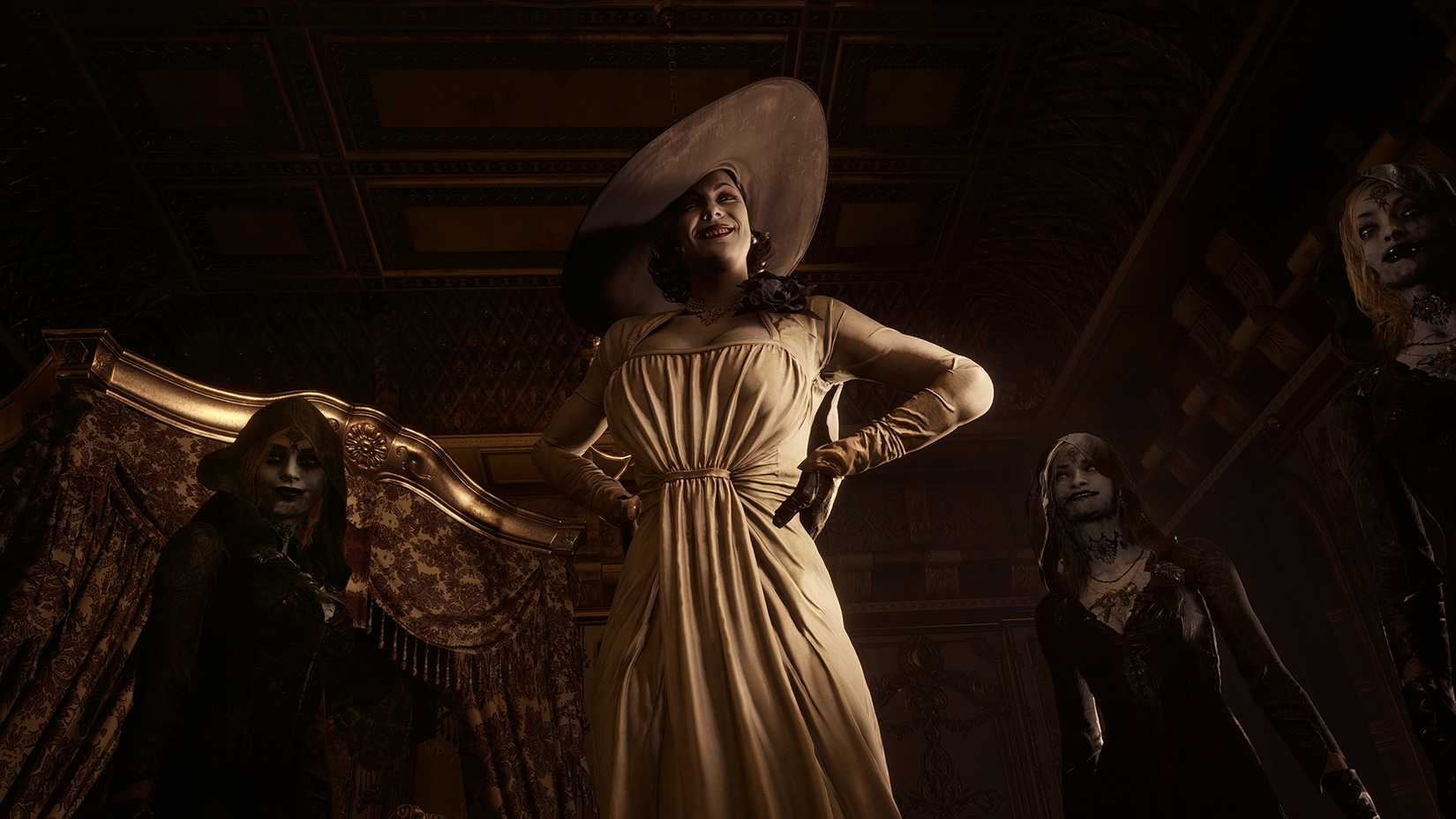
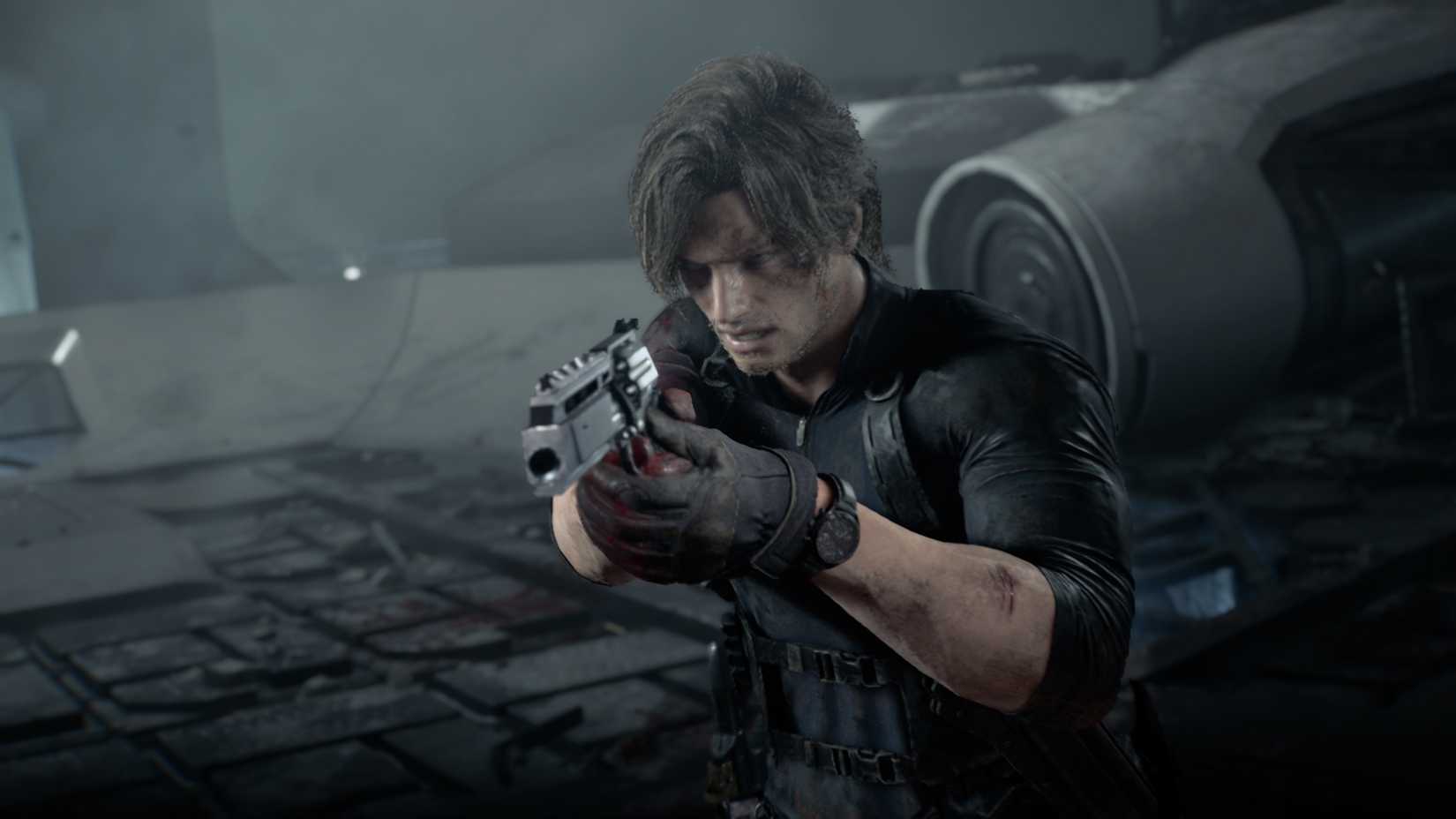
Though time is still required for Resident Evil Requiem to settle comfortably into the historical canon, it firmly occupies a spot in the franchise’s upper echelon. Its success stems from a sophisticated dual-hero structure that balances Grace Ashcroft’s intimate, psychological nightmare with Leon S. Kennedy’s sobering encounters with the generational trauma of Raccoon City. Its ability to seamlessly blend survival horror dread with high-stakes action marks a monumental high point for recent franchise storytelling.
4. Resident Evil 7: Biohazard
By 2016, the mainline series was wandering in an identity crisis, weighed down by bloated action set pieces. Resident Evil 7 served as an electric, life-saving jolt. By pivoting violently back to first-person survival horror, Capcom crafted easily the scariest game in the series. While Ethan Winters and the mold-infested Baker estate introduced a different flavor of horror than the traditional Raccoon City saga, Biohazard proved the universe could reinvent itself without losing its soul.
3. Resident Evil (Original & GameCube Remake)
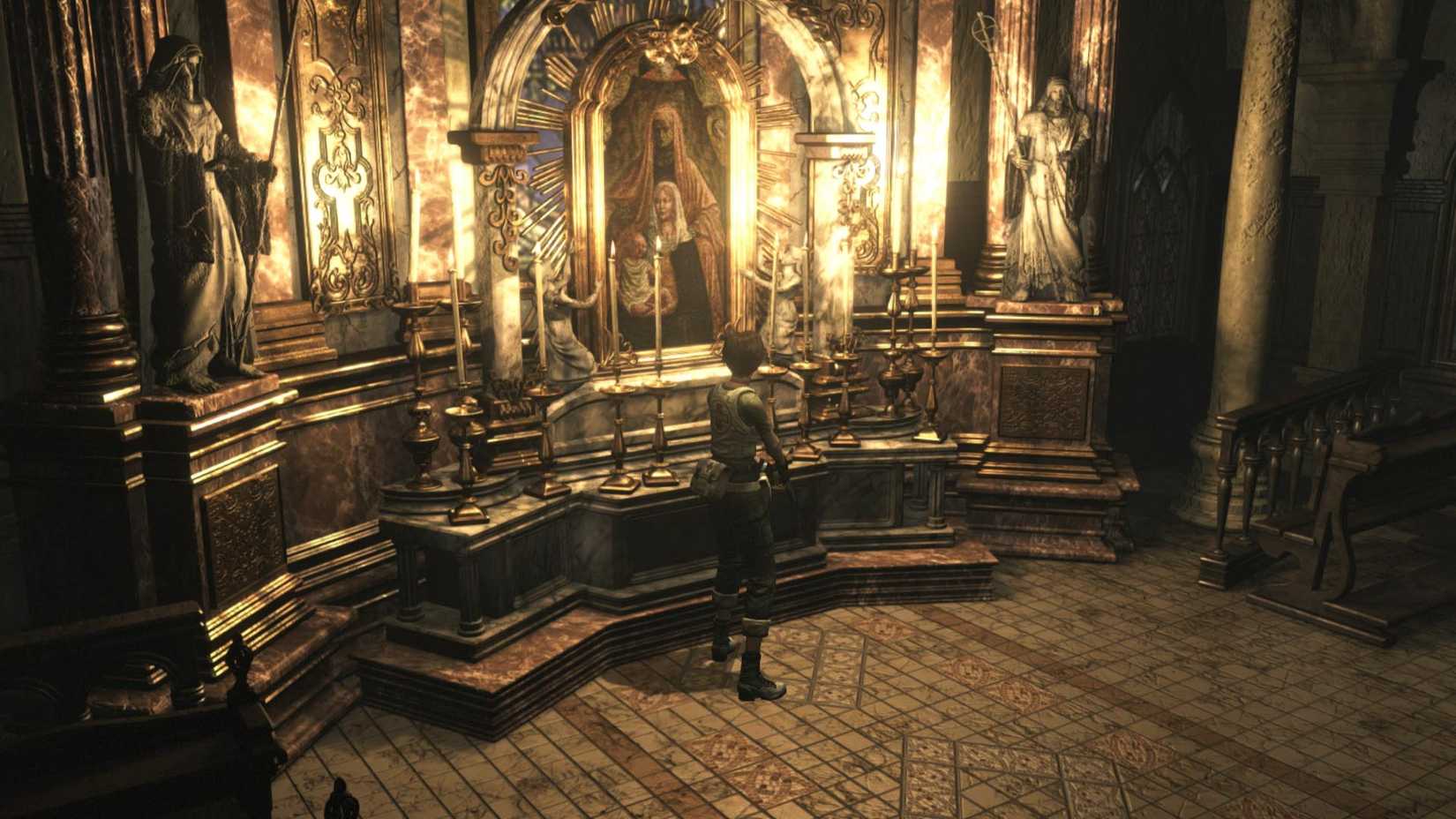
Whether experiencing the campy, live-action-intro charm of the 1996 PlayStation original or the breathtaking, atmospheric mastery of the 2002 GameCube remake, the first Resident Evil remains an unassailable titan. The Spencer Mansion is quite simply the greatest puzzle box in video game history, dripping with gothic dread. Featuring terrifying jump scares, iconic boss encounters, and an impeccably tuned atmosphere, it laid the immutable foundation for everything that followed.
2. Resident Evil 2 (Original & 2019 Remake)
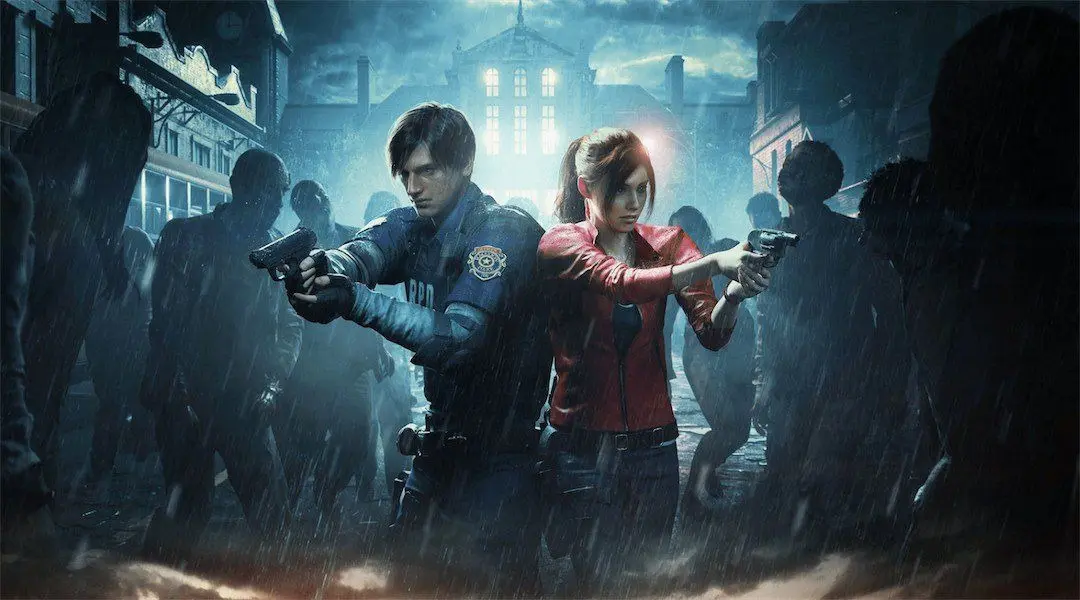
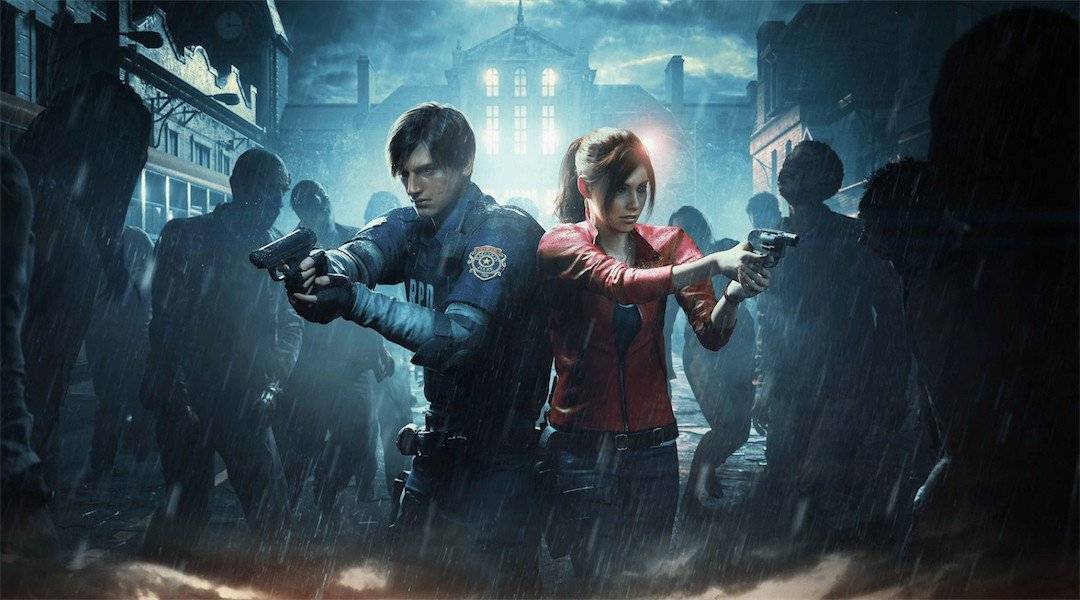
The 2019 remake of Resident Evil 2 stands as a masterclass in how to modernize a classic. Capcom elevated Leon Kennedy and Claire Redfield’s descent into the Raccoon City Police Department into an all-time great survival horror experience. It successfully expanded the scale of the universe while keeping the player trapped in an intimate, suffocating chokehold. As Leon’s baptism by fire, it established a beloved protagonist who would carry the franchise’s commercial appeal for decades.
(Note: While individual internal lists vary, the consensus #1 spot historically shifts dynamically between the genre-defining heights of the original era, leaving the top tier tightly contested among the franchise’s foundational masterpieces).
Supporting Context & Metrics: The Evolution of a Giant
To understand Resident Evil’s enduring dominance, one must look at how Capcom adapted to shifting industry landscapes. The franchise’s pivot from fixed camera angles (RE1–Code: Veronica) to over-the-shoulder action (RE4–RE6) dramatically altered its sales trajectory, culminating in the action-heavy peak of Resident Evil 5, which remains one of Capcom’s best-selling individual titles.
However, diminishing critical returns on Resident Evil 6 prompted a massive strategic realignment. The embrace of the RE Engine, beginning with Resident Evil 7, ushered in a golden era of critical acclaim and sustained commercial growth. Remakes of parts 2, 3, and 4 demonstrated that Capcom could honor legacy fans while onboarding an entirely new generation of horror enthusiasts. Today, the franchise routinely surpasses 150 million units sold cumulatively, cementing its status as one of the most resilient intellectual properties in entertainment history.
Official Statements and Industry Insights
Capcom’s leadership has frequently spoken on the delicate balance between honoring the past and steering the franchise into uncharted waters. During post-launch developer roundtables for recent titles, creative leads emphasized that survival horror requires a constant cycle of vulnerability and empowerment.
"When designing a Resident Evil experience, our primary metric isn’t just how many scares we can generate, but how we make the player feel when they finally unlock that safe room door," shared a senior Capcom producer during a recent retrospective panel. "Whether we are working in fixed perspectives, first-person, or third-person, the core DNA must always tether survival to resource scarcity and spatial claustrophobia."
This philosophy explains why experimental shifts—even when divisive, like the transition into first-person with Ethan Winters—ultimately serve to revitalize the brand rather than dilute it.
Future Outlook: Where Does Resident Evil Go From Here?
With Resident Evil Requiem successfully redefining what a modern, dual-protagonist entry can achieve, the future of Capcom’s flagship horror franchise looks brighter than ever. The commercial and critical triumphs of the recent remakes have also fueled intense fan speculation regarding what classic title might receive the modern treatment next—with Code: Veronica and Resident Evil 5 frequently topping community wishlists.
As Hollywood continues to grapple with finding a cinematic language for video game adaptations—exemplified by Zach Cregger’s loose, playfully terrifying theatrical interpretation—Capcom’s interactive timeline remains the undisputed gold standard of horror world-building. Whether steering rookie cops through zombie-infested precincts or navigating bio-organic horrors in isolated rural enclaves, Resident Evil proves that true terror never goes out of style.