Executive Overview
Take a moment to look down at what you are wearing. Did you consciously curate this outfit from a place of genuine personal expression, or was it quietly selected for you by a machine learning algorithm you have never even considered?
For most modern consumers, the comfortable assumption is that personal style is an intentional choice. Yet, within the current architecture of the global fashion industry, that autonomy is increasingly an illusion. A generation ago, the concepts of "taste" and "trend" were dictated from the top down by visionary designers at legacy luxury houses—think Karl Lagerfeld orchestrating empires at Chanel—or by formidable magazine editors like the fictionalized Miranda Priestly immortalized in The Devil Wears Prada. Today, in the hyper-accelerated epoch of digital consumerism, our wardrobes are systematically engineered by computers.
This seismic shift has created a dual-fronted crisis and cultural reckoning in contemporary style. On one side, ultra-fast fashion giants have weaponized data analytics to hyper-charge production cycles, churning out thousands of micro-trends daily and flooding the market with disposable apparel. On the other side, a massive counter-movement has taken root: the mainstreaming of secondhand shopping and vintage thrifting. Once burdened by socioeconomic stigma and relegated to the fringes of counterculture, thrifting has transformed into a multi-billion-dollar digital and physical ecosystem fueled by Gen Z, social media currency, and a collective fatigue with the endless churn of fast fashion.
This investigative report explores how algorithms hijacked our closets, how secondhand shopping shed its stigma to become the ultimate status symbol, and whether the modern thrift store can survive its own unprecedented popularity.
Detailed Chronology: From Runway Autocracy to Algorithmic "Instant Fashion"
To understand how our current wardrobe ecosystem operates, it is vital to trace how the fashion pipeline transformed from a sluggish, seasonal monolith into a lightning-fast, data-driven machine.
The Era of Top-Down Dictation (Mid-to-Late 20th Century)
For decades, the fashion calendar was immutable. Designers planned collections months or even years in advance, presenting them biannually during fashion weeks in Paris, Milan, New York, and London. Buyers for department stores and high-end boutiques placed orders based on these runway shows, and fashion magazines dictated which silhouettes, colors, and fabrics would trickle down to the mass market. Fashion was aspirational, exclusive, and deliberately slow.
The Rise of Traditional Fast Fashion (Late 1990s–2010s)
As globalization took hold, brands like Zara and H&M disrupted this traditional model by compressing the timeline between runway design and retail floor. Pioneering "just-in-time" manufacturing, these brands proved that consumers would happily buy lower-priced, trend-replicating garments. Zara famously built a reputation around producing roughly 20,000 distinct clothing items per year, responding rapidly to what sold well in stores.
The Hyper-Drive of "Instant Fashion" (Present Day)
In the current digital age, traditional fast fashion has been eclipsed by ultra-fast, app-based competitors like Shein. Amy Odell, author of the Back Row newsletter and podcast, notes that this modern iteration is better described as "instant fashion."
"The way it works is that they use algorithms to track trends and what people are interested in, and then they make a few hundred of a very large number of different items and they test demand," Odell explains.
By leveraging predictive analytics, web-scraping tools, and real-time social media sentiment tracking, companies like Shein bypass the guesswork of traditional design. If an algorithm detects a sudden spike in interest for a specific neckline, color, or micro-aesthetic, digital patterns are generated instantly, small batch runs are manufactured, and the items are shipped directly to consumers worldwide. This model allows players like Shein to introduce an astonishing 4,700 new apparel styles per day, rendering the traditional four-season fashion calendar completely obsolete.
Supporting Context & Metrics: The Mechanics of the Secondhand Boom
As consumers find themselves drowning in an ocean of cheap, algorithmically generated garments, a massive ideological and economic counter-reaction has unfolded. Millions are turning to the thrift store, online resale platforms, and vintage markets to reclaim their individuality. But this is not your grandparents’ thrift store experience.
The Evolution of the Secondhand Ecosystem
Historically, secondhand shopping served two distinct functions: it was an essential economic lifeline for lower-income communities, and it was a badge of honor for subversive countercultures.
As fashion journalist Hannah Marriott points out, secondhand clothing has spent the last century cycling through various countercultural golden ages. "Whether it’s grunge, or the surrealists in the 1920s, or the Rolling Stones in the 1960s, secondhand clothing was cool because of the stigma," Marriott explains. Wearing thrifted items was a deliberate rejection of bourgeois norms and mass-produced conformity.
However, the cultural landscape shifted dramatically during the COVID-19 pandemic. Locked down at home, consumers—particularly younger Gen Z demographics—poured onto digital resale applications. This gave rise to a vast, highly segmented digital ecosystem:
- High-End Consignment: Platforms like The RealReal target luxury buyers, taking a substantial commission fee to authenticate, photograph, and market high-margin designer goods, particularly luxury handbags and heritage apparel.
- Peer-to-Peer Marketplaces: Apps like Depop skew exceptionally young and trend-focused, functioning almost as social media feeds where users curate hyper-specific aesthetics (Y2K, Blokecore, Goth, etc.). Meanwhile, eBay retains an older, more traditional collector base, and international platforms like Vinted continue to capture massive market share across Europe and the United States.
- Mass-Market Resale: Platforms like Poshmark and ThredUp bridge the gap between everyday apparel and managed online consignment, processing millions of items daily.
The Goodwill Paradox: Inflation, Resellers, and Access Economy
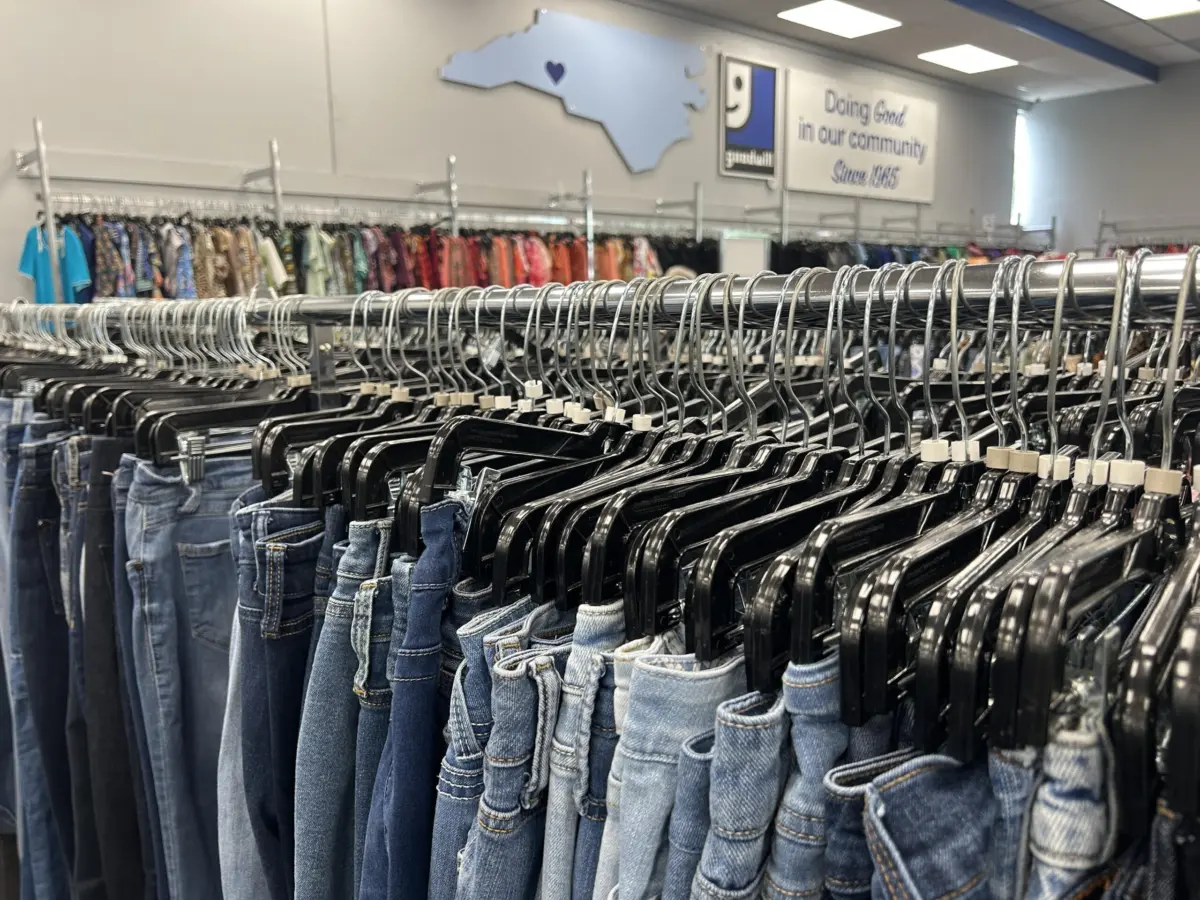
While sleek apps dominate digital spaces, brick-and-mortar institutions remain the bedrock of physical thrifting. Chief among them is Goodwill, a cornerstone of the American secondhand landscape.
However, Goodwill and similar neighborhood operations are currently navigating a complex identity crisis. Shoppers increasingly complain that prices have risen significantly, making it difficult to find traditional bargains. Contributing factors include general economic inflation, rising operational costs, and the aggressive harvesting of inventory by professional resellers who buy undervalued items to flip them for inflated prices on digital marketplaces.
Furthermore, the commercialization of physical thrifting has reached unprecedented levels. In some regions, traditional thrift infrastructure has morphed into a ticketed tourist experience. For instance, a Goodwill branch in Connecticut made headlines for charging $75 for a "thrift tour coach" ticket, granting participants early, exclusive access to select stores ahead of the general public—a stark departure from an era when $75 could buy a dozen complete outfits at a standard thrift store counter.
Official Statements and Industry Insights
The tension between algorithmic fashion production and the artisanal, exploratory nature of thrifting highlights a profound cultural fatigue. Industry experts suggest that the explosive growth of the secondhand market is a direct symptom of consumer burnout.
"I think maybe this is a reaction to 30 years of fast fashion just getting faster and faster and faster," notes fashion journalist Hannah Marriott. "I think we’re all feeling a bit tired of that business model, so we’re trying to find other ways to shop and express ourselves."
This sentiment is echoed by trend analysts who point out that the stigma historically attached to secondhand apparel has not only vanished—it has effectively reversed. Wearing vintage or thrifted clothing is no longer viewed as a compromise born of financial necessity; it is widely perceived as a badge of ethical mindfulness, sartorial creativity, and aesthetic authenticity.
Yet, industry watchdogs warn of a paradox: as thrifting becomes thoroughly mainstream and commercialized, it risks adopting the very hyper-capitalist dynamics it originally sought to escape. When professional resellers utilize automated bots and insider access to strip physical thrift stores of quality garments for online profit, low-income shoppers who genuinely rely on these brick-and-mortar stores for affordable necessities are increasingly priced out.
Future Outlook: Can Sustainable Style Survive the Digital Age?
As we look toward the future of style, the fashion industry sits at a fascinating crossroads between dystopian technological efficiency and romanticized circular economics.
On one hand, the momentum behind ultra-fast, algorithmic fashion shows no signs of slowing down globally. Backed by billions of dollars in digital marketing and frictionless logistics networks, companies like Shein and its emerging competitors continue to capture immense market share, particularly among price-sensitive consumers navigating global inflation.
On the other hand, the cultural backlash is cementing resale and thrifting as permanent fixtures of the global retail economy. The global secondhand apparel market is projected to outpace traditional retail growth significantly over the coming decade, driven by institutional commitments to sustainability, corporate take-back programs, and consumer demand for circular fashion models.
Ultimately, the battle for the modern closet comes down to a fundamental choice. Will consumers continue to outsource their personal identity to data-scraping algorithms designed to maximize transient dopamine hits? Or will they reclaim the patience, discovery, and individuality inherent in hunting for a piece of clothing that has a history?
As Hannah Marriott observes, even though thrifting has shed its edgy countercultural outsider status and integrated into the mainstream fabric of how we shop, the underlying desire remains unchanged: "I still think it is great if you find something original that you love that no one else has, and I still think you’re more likely to find it secondhand or in certain other under-the-radar brands that aren’t fast fashion."
In an era where every pixel of our digital and physical lives threatens to be automated, choosing what to wear—and choosing to wear it twice—may just be the ultimate act of modern rebellion.