Executive Overview
In an era defined by hyper-connectivity, relentless digital notifications, and the ubiquitous blue light of urban existence, a quiet yet profound cultural rebellion is taking place. Across social media feeds, city parks, and rugged mountain ranges alike, a massive demographic shift is underway. Snowy alpine peaks, lush green meadows, and the rhythmic, resonant clanging of cowbells have completely seized the collective consciousness of a generation. Over the past year, it has often felt as though everyone—from seasoned outdoor enthusiasts to the pet dog of your closest friend—has transformed overnight into a hardened mountaineer. Clad in high-performance Gore-Tex gear and scaling dizzying elevations, modern adventurers are redefining leisure, trading urban cocktail bars for scenic lookouts, and sipping regional sodas at altitudes that would have once daunted casual hikers.
This sudden surge in outdoor recreation is not merely a fleeting aesthetic trend or a byproduct of algorithmic curation; it represents a fundamental psychological and physiological realignment. As contemporary society grapples with unprecedented levels of burnout, anxiety, and digital fatigue, the great outdoors has emerged as the ultimate sanctuary. Hiking has transitioned from a niche hobby into a mainstream movement, bridging the gap between physical fitness, mental resilience, and sustainable tourism.
Brands, community leaders, and outdoor advocates are taking notice. Major initiatives, such as the collaborative "Design Your Life" hiking experience by adidas TERREX, are actively harnessing this momentum. By merging rigorous physical challenges with personal coaching and introspective workshops, these programs highlight a growing truth: the lessons learned on the switchbacks of a mountain trail are often the exact tools needed to navigate the complexities of modern life. This article explores the anatomy of the hiking boom, its profound mental and physical benefits, the mechanics of modern micro-adventures, and how corporate and community partnerships are fostering a new generation of empowered outdoor enthusiasts.
Detailed Chronology: The Evolution of the Hiking Boom
To understand how hiking captured the cultural zeitgeist so completely, one must trace the timeline of modern leisure and wellness trends over the past decade.
Phase 1: The Genesis of the Micro-Adventure (Pre-2020)
Long before global lockdowns reshaped our relationship with space and time, the concept of the "micro-adventure" began to take root in urban planning and travel journalism. Coined by adventurer Alastair Humphreys, the term popularized the idea that wildness and adventure do not require a transatlantic flight or weeks of PTO. Instead, meaningful outdoor experiences could be packed into a single weekend or even a day trip just beyond city limits.
During this era, hiking was still largely viewed through a traditional lens—associated with older demographics, specialized gear, and dedicated vacation time. However, the seeds of change were sown as lightweight, technical apparel began bleeding into streetwear, and outdoor brands started modernizing their marketing campaigns to appeal to younger, more diverse audiences.
Phase 2: The Pandemic-Era Resurgence (2020–2022)
When indoor fitness facilities, restaurants, and entertainment venues closed their doors during the global health crisis, nature remained open. Confined to small apartments and home offices, populations turned to local parks, forest trails, and green belts in droves. Walking and hiking became the primary permissible outlets for socialization, mental preservation, and physical movement.
This period dismantled the barrier to entry for millions of people. Novices realized that hiking did not require expensive gym memberships or complex equipment; a sturdy pair of shoes, a waterproof jacket, and a local trail map were all it took to escape the oppressive weight of isolation. Digital feeds quickly flooded with landscape photography, shifting the aesthetic aspirations of millions from luxury travel to rugged alpine landscapes.
Phase 3: The Mainstream Cultural Takeover (2023–Present)
Today, hiking has evolved from a pandemic coping mechanism into a fully fledged lifestyle movement. It is no longer just about exercise; it is an identity, a community builder, and a form of digital detoxification. The modern hiking movement is characterized by inclusivity, breaking down traditional gender and experience barriers.
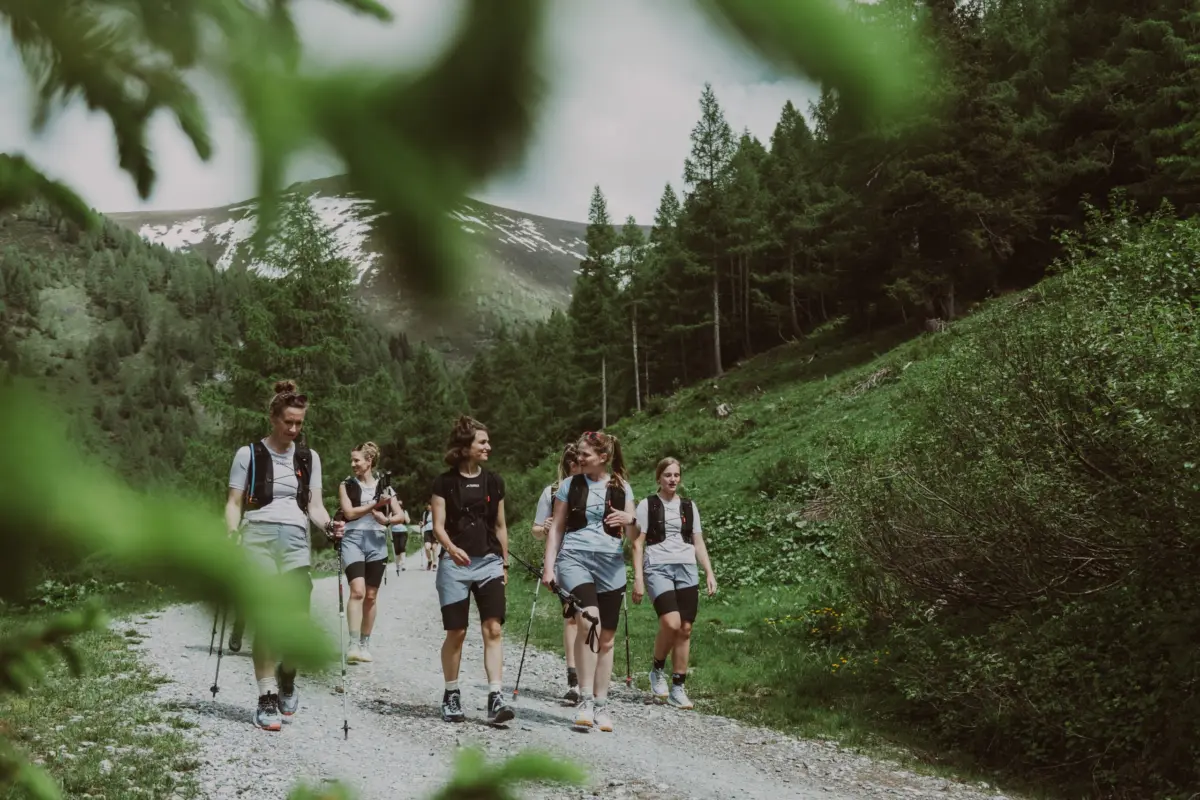
Organizations and outdoor brands have recognized this cultural pivot, moving beyond passive equipment retail to active community building. Events like the adidas TERREX hiking workshops on Germany’s historic Malerweg (Painter’s Way) in the Elbe Sandstone Mountains exemplify this new phase. By pairing physical endurance challenges with self-reflection and coaching, these curated experiences acknowledge that the modern hiker is looking for holistic personal growth, not just step-count milestones.
Supporting Context & Metrics: Why We Fall for the Trail
The mass migration from asphalt to alpine trails is underpinned by a compelling matrix of physical, psychological, and socioeconomic factors.
1. The Low Barrier to Entry and Economic Accessibility
Unlike many modern fitness trends that require costly studio memberships, specialized equipment, or subscription apps, hiking remains remarkably democratic. In its purest form, it requires only two functional legs and basic footwear. For urban dwellers who cannot afford countryside retreats, regional train networks and short-distance travel enable spontaneous day trips—or "micro-getaways"—that fit seamlessly into a working professional’s schedule.
2. The Physiological Blueprint: A Full-Body Powerhouse
From a purely physical standpoint, hiking offers an unmatched combination of cardiovascular endurance and muscular conditioning. It serves as an elite lower-body workout, heavily engaging the glutes, quadriceps, hamstrings, and calves while stabilizing core muscles across uneven terrain. Furthermore, the constant variation in incline forces the cardiovascular system to adapt, increasing lung capacity and endurance in ways that flat-surface running or gym equipment rarely replicate.
3. The Mental Health Revolution: Reclaiming Focus
Perhaps the most powerful driver of the hiking boom is its profound psychological benefit. Modern life bombards the human brain with micro-stressors, constant notifications, and decision fatigue. Nature offers an antidote known in environmental psychology as "Attention Restoration Theory" (ART).
When we immerse ourselves in natural environments—surrounded by the scent of pine, the sound of rushing water, and the tactile feedback of earth beneath our boots—our directed attention system gets a much-needed break. We move away from digital screens and algorithmic feeds into a state of "soft fascination." This shift reduces cortisol levels, alleviates symptoms of anxiety, and fosters a deep sense of presence.
4. The Power of Shared Vulnerability
While solo hiking has its meditative merits, the trail truly shines as a catalyst for deep human connection. Walking side-by-side with friends or romantic partners eliminates the awkward, face-to-face intensity of traditional social settings (like dinner tables or coffee shops). The shared physical effort—navigating a steep incline, battling fatigue, and encouraging one another—breaks down emotional walls. Conversations on the trail possess a unique depth and authenticity that are notoriously difficult to replicate in everyday life.
Official Statements & Industry Perspectives
The convergence of outdoor athletics and personal development has prompted industry leaders to rethink their role in consumer lives. No longer content with merely selling footwear and apparel, major athletic brands are positioning themselves as catalysts for personal empowerment.
In statements regarding experiential marketing and community engagement initiatives like the adidas TERREX "Design Your Life" workshops, brand representatives have emphasized the intrinsic link between outdoor physical endurance and mental fortitude. The core philosophy centers on the idea that conquering a physical obstacle—such as a 600-meter elevation gain or a grueling six-hour trek across the rugged Elbe Sandstone Mountains—trains the brain to approach life’s non-physical hurdles with renewed confidence.
"When you stand at the base of a towering rock formation or look out over a misty valley after hours of climbing, something shifts internally," notes an advocacy brief from the outdoor recreation sector. "You realize your body is capable of immense effort, and your mind is capable of pushing past self-imposed limitations. Those are not just hiking skills; those are life skills."
Industry analysts point out that modern consumers, particularly Gen Z and millennial women, increasingly value brand authenticity and experiential value over traditional advertising. By funding immersive, all-inclusive workshops that provide professional coaching, expert mountain guides, high-end gear packages, and a supportive community of like-minded women, brands are fostering profound brand loyalty while genuinely enriching participants’ lives.
Future Outlook: The Sustainable Horizon of Outdoor Culture
As the hiking boom matures, the outdoor community faces critical challenges and exciting opportunities. The future of the movement will likely be defined by a delicate balance between accessibility and environmental stewardship.
1. Responsible Tourism and Conservation
With millions of new enthusiasts discovering regional trails—from the misty forests of Germany to the rugged peaks of the Alps—local ecosystems face increased foot traffic. The future of hiking culture must heavily prioritize "Leave No Trace" principles, sustainable trail maintenance, and responsible local tourism. Educating new hikers on how to respect wildlife, minimize erosion, and support regional economies will be paramount to preserving these natural sanctuaries for generations to come.
2. The Rise of Inclusive Outdoor Communities
Historically, certain outdoor spaces and extreme sports demographics skewed homogeneous. However, the current wave of outdoor recreation is markedly more inclusive. Initiatives specifically designed for women, underrepresented groups, and urban novices are breaking down intimidation barriers. Programs that offer mentorship, technical gear provisions, and safe communal spaces ensure that the healing power of nature remains accessible to all, regardless of prior experience.
3. Integrating Mindset into Movement
The boundary between physical athletics and mental wellness will continue to blur. Future outdoor programming will likely see an even greater integration of mindfulness practices, life coaching, and psychological resilience training embedded directly into athletic itineraries. As individuals seek ways to combat the pressures of a hyper-digitalized world, the trail will remain our most accessible, reliable, and transformative classroom.
Ultimately, the great alpine renaissance is here to stay. Whether through a weekend micro-adventure in a local nature reserve or an intensive multi-day expedition across legendary geological formations, stepping onto the trail is an active decision to reclaim our time, our bodies, and our mental clarity. Step by step, breath by breath, we continue to climb—not just to reach the summit, but to discover who we become along the way.