Executive Overview
For the past several years, the landscape of PC hardware has been defined by economic volatility, component scarcity, and surging inflation. Consumers looking to build or upgrade their rigs have watched in dismay as the costs of high-end memory, specialized storage solutions, and next-generation graphics cards climbed to astronomical heights. Amidst this broader market turmoil, however, a quiet counter-revolution has been unfolding in the display sector. While core internal components grew increasingly prohibitive, gaming monitors have defied expectations—simultaneously scaling new heights in performance while plummeting in price.
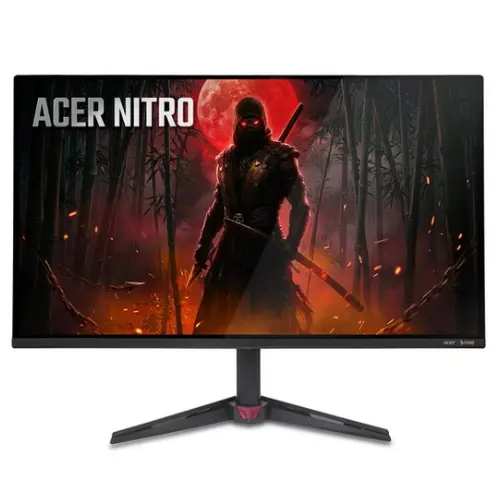
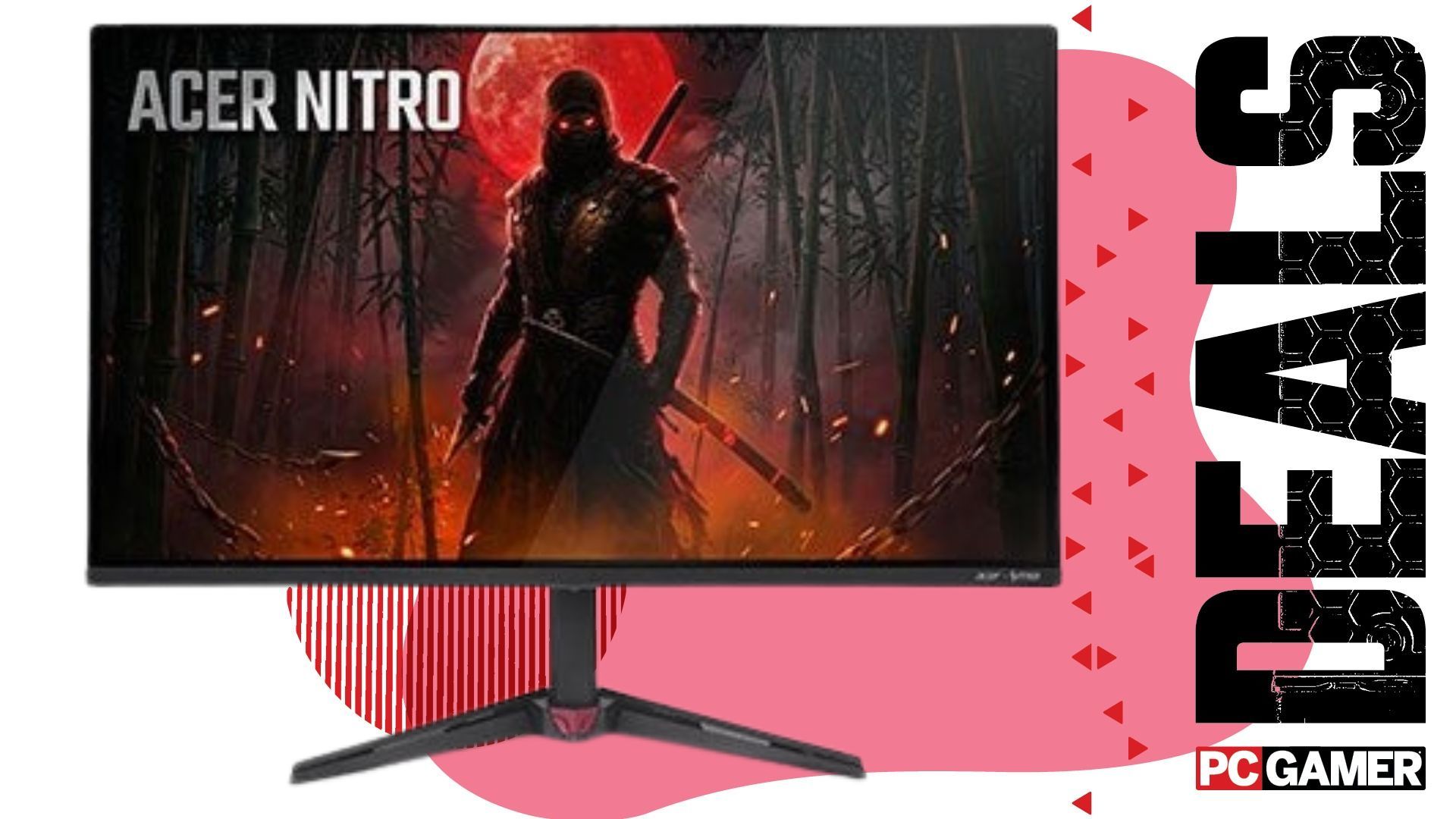
At the bleeding edge of this affordability trend sits a landmark release: the Acer Nitro VG277U Xbiip. Currently commanding attention on retail shelves at a startlingly low price point of $269 at Walmart, this 27-inch display is effectively redefining what buyers can expect from modern visual technology. By bringing a Quantum Dot OLED (QD-OLED) panel down into the sub-$300 tier—matching its historic Prime Day discount—Acer has inadvertently delivered what many industry analysts are calling the best-priced OLED gaming monitor on the market.
Yet, this pricing milestone invites a deeper market investigation. How is manufacturers’ cost parity shifting to make organic light-emitting diode technology accessible to budget-conscious consumers? What engineering compromises had to be made to hit this price point, and how do they impact daily productivity versus high-octane gaming? This report offers an exhaustive breakdown of the Acer Nitro VG277U Xbiip, contextualizing its arrival within the broader hardware crisis, evaluating its technical specifications, and analyzing what its market penetration means for the future of PC gaming displays.
Detailed Chronology: The Descent of OLED to the Sub-$300 Tier
To understand the magnitude of the Acer Nitro VG277U Xbiip’s $269 price tag, one must first look backward at the arduous evolution of OLED technology in desktop computing.
The Pioneer Era (2019–2021)
For years, OLED (Organic Light-Emitting Diode) technology was the exclusive domain of high-end home theater televisions and ultra-luxury professional reference monitors. When high-refresh-rate OLED gaming monitors first began trickling into the consumer market around the turn of the decade, they were luxury items in the truest sense of the word. Early adopters routinely faced price tags hovering between $1,000 and $3,500. At these rates, OLED panels were bought primarily by enthusiast whales and professional content creators who could justify the steep capital expenditure for color-critical work or uncompromising motion clarity.
The Mid-Market Squeeze (2022–2023)
As production yields at major panel-manufacturing foundries—most notably Samsung Display and LG Display—gradually improved, the technology began to trickle down. By 2023, 27-inch 1440p and 32-inch 4K OLED monitors began appearing in the $800 to $1,200 range. While this represented a massive stride forward, these displays remained strictly categorized as premium, enthusiast-tier hardware. Budget-conscious gamers upgrading from aging IPS or TN panels were forced to look at conventional edge-lit or mini-LED LCD screens.
The Breakthrough and the $269 Milestone (Late 2024–Present)
The current market landscape represents a total paradigm shift. Driven by aggressive competition between panel suppliers and the introduction of budget-oriented QD-OLED substrates, manufacturers have found ways to strip out unnecessary overhead without sacrificing core performance metrics.
When the Acer Nitro VG277U Xbiip launched, it signaled the crossing of a psychological and financial barrier. By hitting the $269 threshold—first sighted during major retail promotional windows like Amazon Prime Day and now solidified at Walmart—Acer has successfully closed the gap between high-end display fidelity and entry-level budgeting. It marks the formal transition of OLED from an exclusive luxury into an attainable standard for mainstream PC gamers.
Supporting Context & Metrics: Under the Hood of the Acer Nitro VG277U Xbiip
To appreciate why the Acer Nitro VG277U Xbiip is causing such a stir among hardware reviewers, one must examine its core technical specifications. Despite its aggressive pricing, the monitor refuses to compromise on the primary metrics that define a premium gaming experience.
Technical Specification Matrix
| Feature | Acer Nitro VG277U Xbiip Specification | Industry Standard / Context |
|---|---|---|
| Panel Type | QD-OLED (Quantum Dot OLED) | Superior color vibrancy and true blacks compared to traditional IPS LCD. |
| Screen Size | 27 inches | The current "sweet spot" for desktop ergonomics and multi-tasking. |
| Resolution | 2560 x 1440 (QHD) | Optimal balance between high visual fidelity and GPU performance demands. |
| Refresh Rate | 240 Hz | Exceptional motion fluidity, surpassing standard esports requirements (144Hz–165Hz). |
| Response Time | 0.03 ms (GtG) | Virtually instantaneous pixel transition, eliminating ghosting and motion blur. |
| Peak HDR Brightness | 400 nits | Conservative output, requiring controlled lighting environments for optimal HDR. |
| Adaptive Sync | AMD FreeSync Premium | Mitigates screen tearing and stuttering across variable frame rates. |
| Price Point | $269 (via Walmart) | Unprecedented pricing for an OLED panel of this caliber. |
The Power of QD-OLED at 1440p
At the heart of the Nitro VG277U Xbiip is a Samsung-manufactured budget QD-OLED panel. This technology marries the self-lit pixel architecture of traditional OLED—yielding infinite contrast ratios, pitch-black dark scenes, and rich, emissive color profiles—with Quantum Dot color enhancement layers.
For years, PC enthusiasts have argued that upgrading to an OLED display is the single most transformative hardware swap one can make. Unlike LCD panels, which rely on a centralized backlight that inevitably bleeds light through liquid crystal shutters, OLED pixels turn off entirely when displaying black. This creates an infinite contrast ratio that breathes new life into games with dark, atmospheric settings (Cyberpunk 2077, Alan Wake 2, Dead Space).
Furthermore, the 1440p (2560 x 1440) resolution operating at 27 inches is widely considered the goldilocks resolution for modern mid-to-high-end graphics cards. It demands significantly less GPU horsepower than 4K, allowing gamers to easily maintain high frame rates that fully saturate the monitor’s blistering 240 Hz refresh rate and near-instantaneous 0.03 ms response time.
The Compromises: Where Savings Meet Reality
Manufacturing a true OLED display for under $300 requires navigating significant economic and engineering boundaries. Consequently, the Acer Nitro VG277U Xbiip involves specific trade-offs that buyers must weigh against its incredible financial value:
- Peak Brightness Limitations: The monitor features a peak HDR brightness ceiling of approximately 400 nits. In well-lit environments featuring heavy ambient sunlight or aggressive overhead office lighting, the display can appear somewhat washed out. True, blinding HDR highlights (such as explosions or sun glints) will not pack the retinal-searing punch found on more expensive, heatsink-equipped QD-OLED or high-end Mini-LED panels.
- Sub-Pixel Layout and Font Fringing: Like many displays utilizing this specific generation of QD-OLED panels, the Nitro VG277U Xbiip is vulnerable to sub-pixel fringing. Because of the unique sub-pixel arrangement combined with a 1440p resolution spread across a 27-inch canvas (where the pixel pitch is less dense than a 4K panel), sharp high-contrast edges—such as black text on a white background—can exhibit minor chromatic aberration or a slight blurriness. While completely negligible during high-speed gaming sessions, productivity-focused users spending eight hours a day writing code, editing documents, or browsing text-heavy web pages will likely notice this visual artifact.
Official Statements and Industry Perspectives
The sudden downward pressure on display pricing has prompted widespread commentary across the hardware journalism community and tech analyst circles. Industry insiders view the Acer Nitro VG277U Xbiip not as an isolated anomaly, but as a vanguard for wider market corrections.
"I’ve watched in horror over the last year as the memory crisis has continued to ravage the industry and take the prices of memory, storage, and even graphics cards with it. Yet monitors offer a light in the darkness by not only getting more impressive but cheaper too."
— Hardware Analyst & Tech Reviewer Consensus
Industry commentators emphasize that while internal PC components are facing severe cost inflations driven by AI infrastructure demands and fab shortages, display panel manufacturers are locked in a fierce war of attrition. Oversupply in certain panel-cutting lines, coupled with aggressive pricing strategies designed to capture market share from traditional LCD manufacturers, has given consumers unexpected leverage.
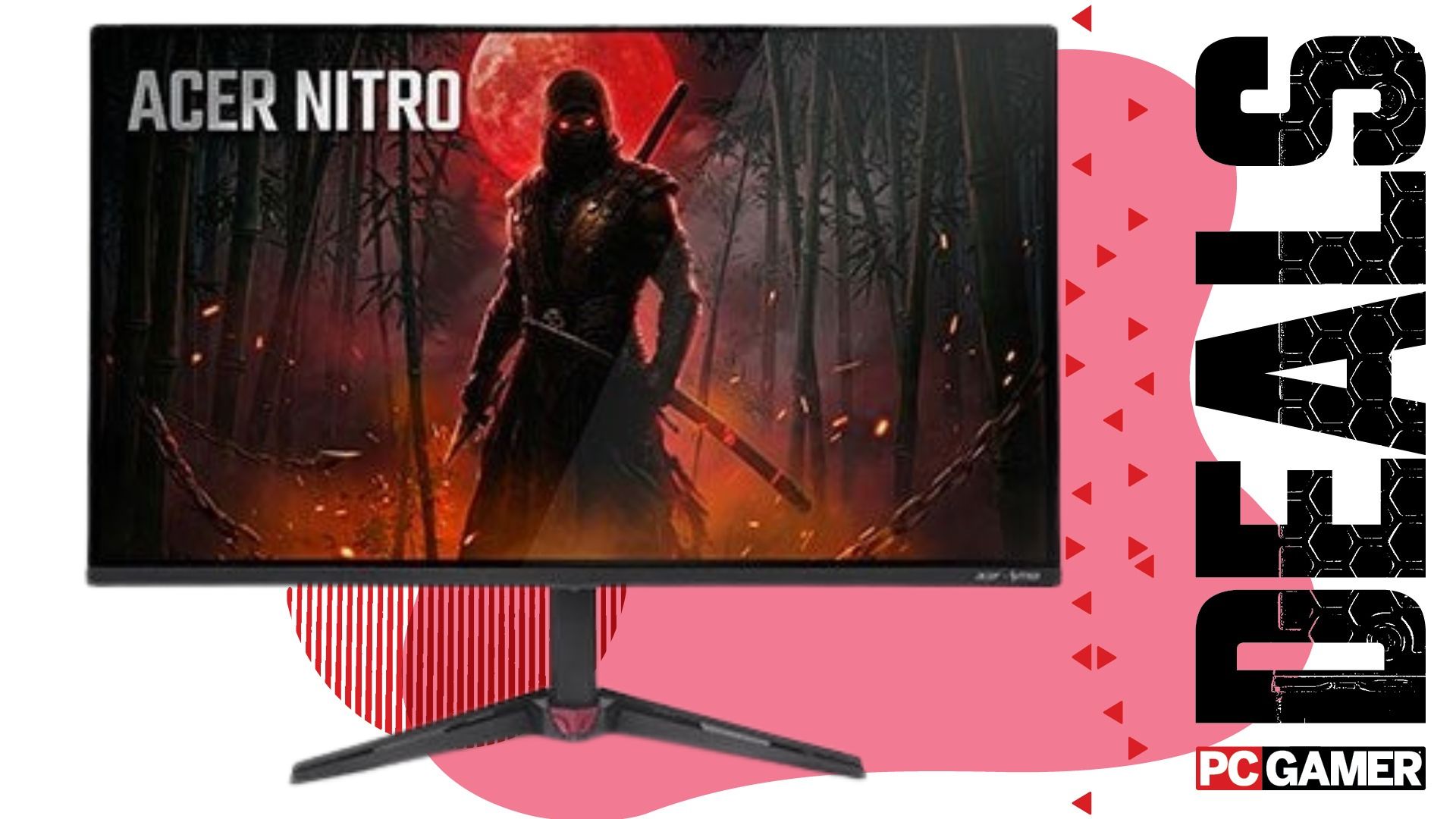
Market analysts note that brands like Acer are strategically deploying loss-leader or razor-thin margin pricing on hero products like the Nitro VG277U Xbiip to capture consumer loyalty. By establishing brand dominance in the emerging budget-OLED category, manufacturers hope to convert value-seeking PC builders who might otherwise have compromised on an inferior IPS monitor.
Furthermore, consumer feedback aggregators report overwhelmingly positive sentiment regarding motion handling. Competitive and casual gamers alike have praised the combination of a 240Hz refresh rate and a 0.03ms response time at this price point, noting that the motion clarity achieved by organic pixels completely outweighs the minor inconveniences of text fringing or constrained peak brightness in dark-room gaming scenarios.
Future Outlook: What the $269 OLED Means for PC Gaming
The arrival of the Acer Nitro VG277U Xbiip at $269 serves as a crystal ball for the immediate future of PC hardware peripherals. As we look ahead toward the next hardware generations, several key trends are illuminated by this pricing milestone:
1. The Accelerated Obsession of Traditional LCDs
For years, budget-conscious gamers shopping in the $200–$300 range had zero alternatives to traditional IPS and VA panels. These panels, while reliable, have hit a strict technological plateau regarding contrast and motion response times. With functional, high-refresh-rate OLED technology now breaching the sub-$300 barrier, the value proposition of mid-range IPS gaming monitors is evaporating rapidly. Manufacturers of traditional LCD panels will be forced to either slash their own prices further or accelerate their transition toward advanced backlighting solutions (like Mini-LED) to remain competitive.
2. Resolution and Size Migrations
As production efficiencies improve, we can expect the sub-$300 pricing model demonstrated by Acer to cascade upward into larger screen sizes (such as 32-inch flat and curved models) and sharper resolutions (4K). While early budget OLEDs are restricted to 27-inch 1440p configurations to minimize substrate waste during manufacturing, larger mother-glass cuts will inevitably yield cheaper 4K OLED variants over the next 24 to 36 months.
3. Panel Longevity and Burn-In Mitigation
As more mainstream consumers adopt budget OLED monitors for mixed-use productivity and gaming, manufacturers are facing increased scrutiny regarding panel longevity. Future iterations will likely lean heavily into software-based maintenance features—such as automated pixel shifting, boundary detection, and advanced passive heatsinking—to combat the historical specter of burn-in without driving up retail costs.
Final Verdict
For any gamer currently running an aging display who has been waiting on the sidelines for organic light-emitting diode technology to become financially viable, the Acer Nitro VG277U Xbiip at $269 represents an unmissable inflection point. While it asks the user to accept minor compromises in peak HDR luminance and text clarity, the core visual upgrade—delivering true blacks, explosive color accuracy, and zero-latency motion handling—fundamentally changes the desktop experience. It proves that the era of accessible, high-performance OLED gaming is no longer a distant promise, but an affordable reality.