Executive Overview
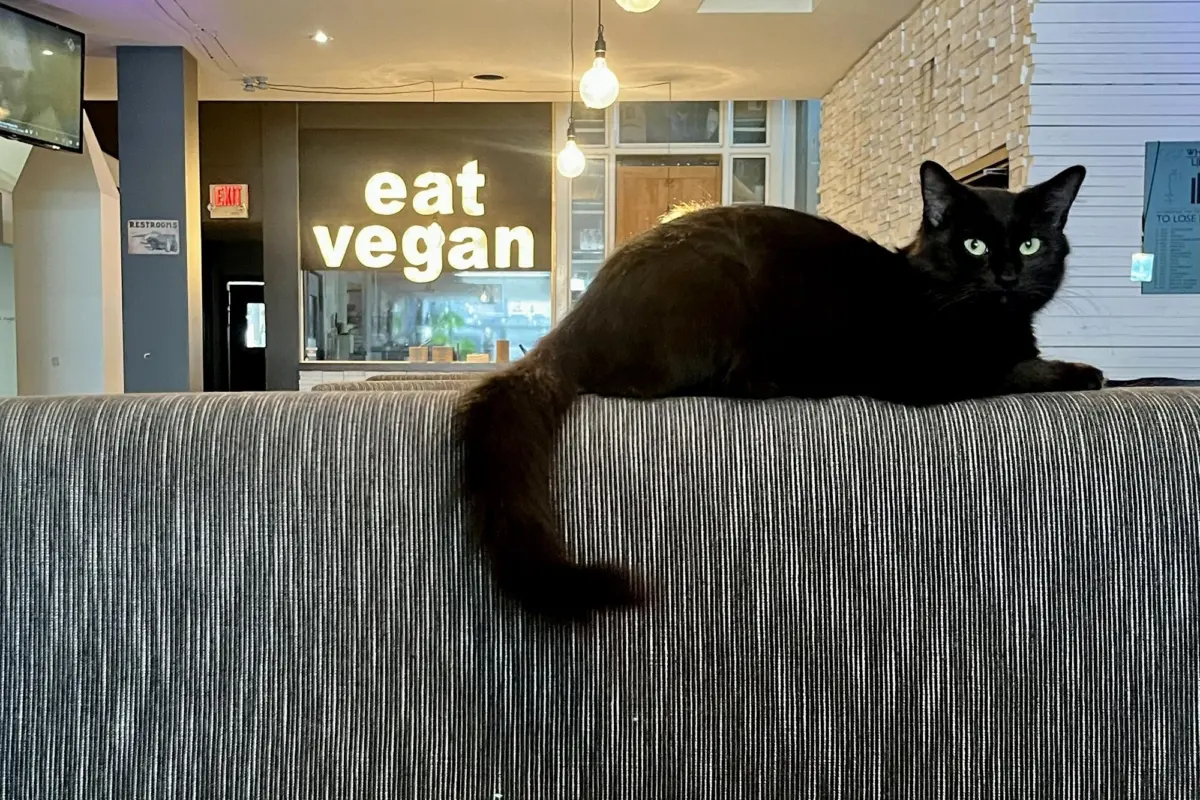
For decades, the rise of the plant-based restaurant was framed as an inevitable trajectory toward a kinder, greener future. Across urban and suburban landscapes alike, all-vegan eateries stood as physical manifestations of the animal rights movement—welcoming hubs where ethical values intersected with culinary creativity. Yet, a quiet structural shift is underway across North America. The closure of cherished local spots, such as the Mad Rabbit Cafe in Madison, Wisconsin, reflects a broader, unsettling trend: a national contraction of dedicated plant-based dining.
Data compiled from industry monitors like HappyCow and foodservice analysts reveals a stark decline in the number of all-vegan establishments over the past four years. Once-thriving culinary destinations in New York City, Los Angeles, and Portland have seen their dedicated plant-based rosters shrink by as much as 25 percent. Venerable institutions that defined the genre for a generation are shuttering their doors, leaving a noticeable void in the neighborhoods they once anchored.
This contraction presents a deep paradox. Even as the ideological market for plant-based eating struggles, mainstream omnivorous restaurants are offering more vegan options than ever before. This dual reality—the shuttering of independent vegan pillars alongside the mainstreaming of plant-based dishes—forces a rigorous re-examination of the animal rights movement’s foundational strategies. Are dedicated vegan restaurants essential laboratories for ethical dining, or are they relics of a fragmented subculture now being absorbed by a broader culinary economy? Investigating this shift requires looking beyond basic market metrics to examine the cultural, economic, and social forces reshaping how we eat.
Detailed Chronology: The Rise and Retrenchment of Vegan Dining
To understand the current state of plant-based dining, one must trace its evolution through distinct economic and cultural eras.

The 2010s: The Golden Age of Vegan Expansion
The preceding decade was marked by explosive optimism within the plant-based sector. Propelled by viral health and environmental documentaries—such as Forks Over Knives, Cowspiracy, and What the Health—alongside the commercial breakthroughs of next-generation meat alternatives like Beyond Meat and Impossible Foods, veganism experienced a cultural high.
During this period, investors and entrepreneurs poured capital into scaling plant-based concepts. Prominent national and regional chains, including Veggie Grill, Native Foods, and Planta, executed aggressive expansion strategies. Independent vegan restaurants proliferated, serving everything from high-end fine dining to casual comfort food. Founders operated under the assumption that the market curve for plant-based lifestyles would continue an upward climb indefinitely.
The Pandemic and Post-Lockdown Pressures
The disruption of the Covid-19 pandemic hit the hospitality industry indiscriminately, but plant-based establishments faced unique vulnerabilities. Many operated on tight margins with specialized supply chains, relying heavily on a dedicated core of regular customers rather than broad, omnivorous foot traffic.
When lockdowns lifted, the landscape had fundamentally changed. Surging inflation, volatile supply chains, and rising energy costs squeezed independent operators. Simultaneously, consumer spending habits shifted in response to broader economic pressures, including spikes in fuel prices driven by geopolitical conflicts. For many independent owners, the financial strain was compounded by severe burnout. The punishing time commitments required to manage a restaurant—coupled with stagnant rather than expanding demographic interest in strict veganism—pushed many operators toward strategic exits.

2022–2026: The Mass Contraction
By the mid-2020s, the closures transformed from isolated incidents into a recognized systemic contraction. HappyCow listings for all-vegan restaurants in the United States dropped from 1,717 in late 2025 to 1,509.
In major metropolitan centers, long-running institutions began falling like dominoes:
- New York City: Modern Love and Candle closed their doors, marking the end of an era for upscale and beloved plant-based dining in Manhattan and Brooklyn.
- Los Angeles: The Vegan Joint shuttered multiple locations, signaling the retrenchment of Southern California’s dense plant-based market.
- Oakland: Millennium, a celebrated high-end institution operating for over three decades, announced a closure before later reopening as a leaner, significantly scaled-down operation.
- Regional Markets: Smaller mid-tier markets experienced similar losses. In Madison, Wisconsin, the closure of Mad Rabbit reduced the city’s fully vegan restaurant count to a precarious one or two operational storefronts.
Supporting Context & Metrics: Analyzing the Data
A rigorous evaluation of the "vegan restaurant death spiral" requires separating subjective cultural narratives from empirical market data.
Demographic Stagnation
Despite the proliferation of plant-based milk and meat alternatives in grocery aisles, the core demographic of Americans identifying as strict vegans or vegetarians has remained stubbornly flat. According to long-term polling data from Gallup, the share of Americans identifying as vegan has hovered at approximately 2 percent since the firm first tracked the metric in 2012.

This plateau suggests that while flexitarianism and meat reduction have gained traction, the hard conversion of consumers to a strict vegan lifestyle has stalled. Consequently, dedicated vegan restaurants face a hard ceiling on their addressable market, relying on a static pool of committed consumers to sustain their operations.
The Mainstream Cannibalization Effect
Ironically, one of the most significant pressures facing dedicated vegan restaurants is the success of plant-based options in mainstream dining. Major fast-casual chains—such as Chipotle and Taco Bell—alongside countless local brewpubs and omnivorous fine-dining establishments, have expanded their menus to include competent, appealing plant-based entrees.
Industry research firms note that many consumers prefer the flexibility of mixed-diet establishments, which accommodate groups with diverse dietary preferences. When an upscale omnivorous restaurant features a stellar plant-based curry or a popular vegan sushi roll without aggressively branding itself as a "vegan restaurant," it often captures traffic that might otherwise have gone to a dedicated plant-based venue.
Global Insights and Survival Dynamics
Preliminary data from a 2026 global survey conducted by the nonprofit Vegan Hospitality complicates the narrative of inevitable failure. Surveying approximately 59 vegan restaurants primarily across the US and Mexico, researchers found that roughly four out of five operators would still choose to open a fully vegan business if given the choice today. Furthermore, among businesses that had closed or been sold, a significant portion reported that maintaining a strictly vegan model either aided their operations or had no meaningful negative impact compared to omnivorous competitors.

This indicates that closures are frequently driven by standard hospitality industry dynamics—such as independent restaurant failure rates, founder burnout, and local economic pressures—rather than a wholesale consumer rejection of plant-based food itself.
Official Statements and Industry Perspectives
Industry leaders, founders, and food service analysts offer diverse viewpoints on the structural changes sweeping the plant-based sector.
- Nate Anger, Founder of Mad Rabbit Cafe (Madison, WI): Reflecting on his decision to close his profitable three-year-old cafe, Anger pointed to the unsustainable toll of foodservice ownership rather than financial insolvency. "I live here. I spend far more time here than anywhere else," Anger noted, highlighting how the daily operational grind forced him to miss critical family milestones like his children’s athletic events and school recitals. He also observed that while his market research anticipated continued growth in veganism, the cultural trend line flatlined, capping the restaurant’s long-term growth potential.
- Krupa Panchal, Co-Owner of Bombay Food Junkies (St. Louis, MO): Describing all-vegan restaurants as physical embodiments of the joyful, creative side of the animal rights movement, Panchal characterized them as "a little heaven." While noting slower sales volumes amid broader economic headwinds, she emphasized that personal life circumstances, rather than market failure alone, account for many recent regional closures.
- Lizzy Bartlett, Senior Director of Menu Research and Insights at Technomic: Offering an analytical perspective on corporate consolidation, Bartlett observed that "most dedicated vegan chains are now in kind of a managed decline," as early multi-unit ventures retreat from the aggressive scale they pursued during the 2010s.
- Seth Ariel Green, Humane and Sustainable Food Lab at Stanford University: Addressing the strategic dilemma facing the animal advocacy movement, Green highlighted the difficulty of quantifying the downstream impacts of consumer choices. Weighing the signaling value of supporting a dedicated vegan business against the value of demanding plant-based options at omnivorous establishments remains "a hard problem"—one that requires sophisticated microeconomic analysis to fully resolve.
Future Outlook: Do Vegan Restaurants Still Matter?
As the dust settles on this era of contraction, a fundamental question remains for the animal rights movement and the culinary world at large: In a landscape where plant-based options are widely available at mainstream eateries, do fully vegan restaurants still serve an indispensable purpose?
The Social Infrastructure Deficit
One of the most persistent challenges facing the animal advocacy movement is the absence of a robust, in-person social infrastructure. Dietary choices made for ethical reasons can often lead to social isolation, separating individuals from friends and family who consume animal products.

Dedicated vegan restaurants have historically functioned as vital "third spaces"—physical institutions where private moral convictions are reinforced by a shared community identity. They offer spaces for spontaneous connections, educational events, and social mixers that help normalize plant-based living not as a restriction, but as a vibrant, celebratory culture. When these spaces disappear, the movement loses physical anchors that are exceedingly difficult to rebuild in mid-tier cities.
Dual-Track Strategy for the Future
Ultimately, the survival and evolution of plant-based dining point toward a necessary dual-track ecosystem:
- Mainstream Integration: Omnivorous restaurants must continue expanding and refining their plant-based offerings. By normalizing vegan dishes on standard menus and reducing the social friction of mixed-diet dining, these establishments drive massive aggregate reductions in meat consumption.
- Dedicated Sanctuaries: Fully vegan restaurants must be preserved and supported as creative laboratories and cultural hubs. These establishments push the boundaries of plant-based gastronomy and provide a tangible preview of a future built without animal exploitation.
The contraction of the mid-2020s serves as a sobering market correction, weeding out uninspired concepts while forcing remaining operators to refine their craft. Yet, the enduring appeal of spaces that champion uncompromised ethical cooking ensures that dedicated vegan restaurants will continue to matter—not merely as commercial enterprises, but as miniature utopias where a compassionate future can be tasted in the present.