Executive Overview
In the fast-paced ecosystem of Software-as-a-Service (SaaS), few strategic decisions spark as much internal debate as the choice of whether to make product pricing public. For early-stage founders and growth-stage executives alike, the pricing page is more than just a digital brochure; it is a critical signaling mechanism to the market, a primary conversion driver, and a foundational element of go-to-market (GTM) strategy.
According to recent insights from SaaStr—the world’s largest community for B2B SaaS professionals—the consensus for early-stage companies leans heavily toward radical transparency. For 95% of emerging startups, publishing pricing is not just recommended; it is an operational necessity. Removing the friction of a "Contact Us for Pricing" form in the embryonic stages of a company can mean the difference between rapid user acquisition and catastrophic customer churn at the top of the funnel.
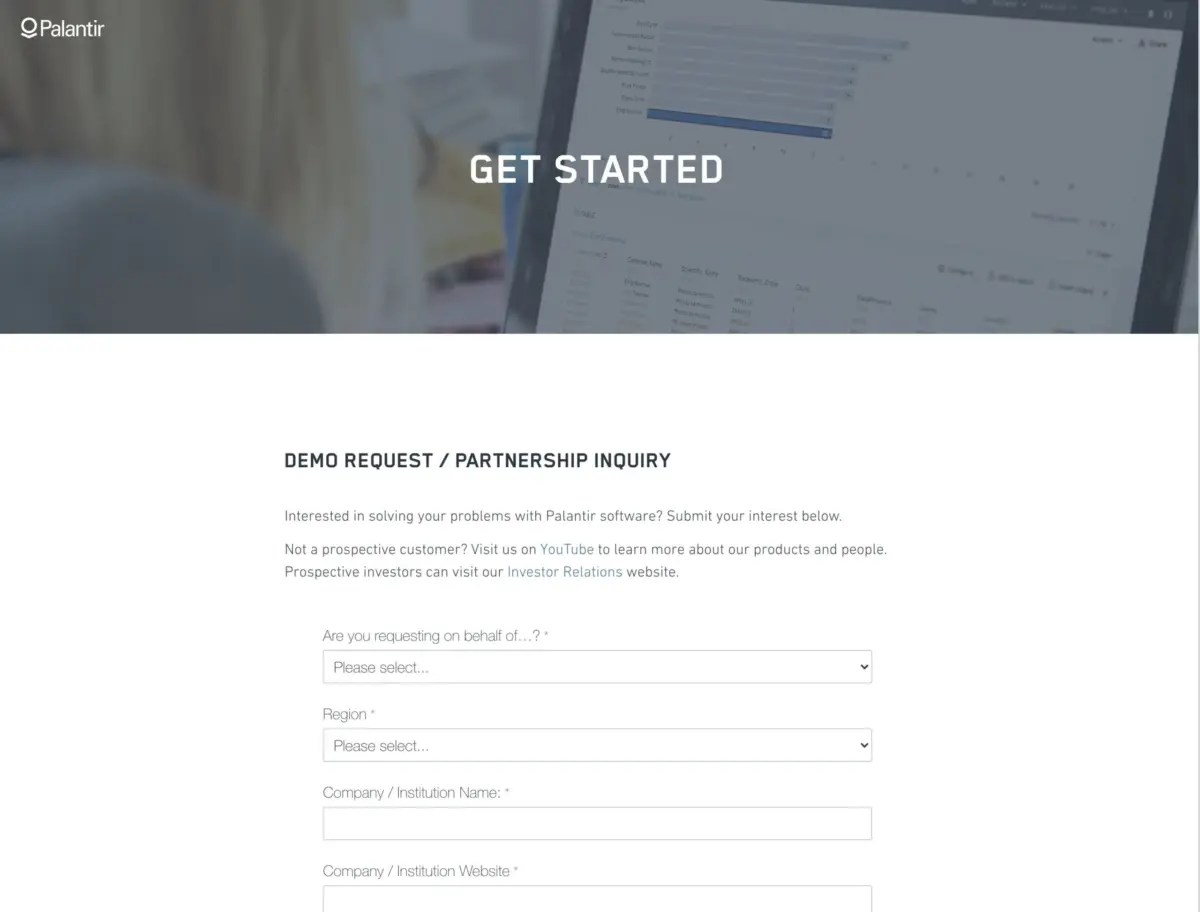
However, as SaaS companies scale upmarket, transition toward enterprise-grade deals, and deploy sophisticated direct sales teams, the calculus shifts dramatically. While transparent pricing accelerates velocity for small and medium-sized businesses (SMBs), it can severely constrain revenue potential in seven- and eight-figure enterprise negotiations. Giants like Palantir and Veeva operate entirely without public pricing pages, recognizing that complex solutions require tailored commercial structures.
This article explores the nuanced journey of SaaS pricing transparency. We will examine the strategic advantages of public pricing models, the hidden revenue costs associated with them at scale, the realities of enterprise-level discounting, and a chronological framework for how growing companies should evolve their pricing strategy from seed stage to enterprise maturity.
Detailed Chronology: The Evolution of the SaaS Pricing Strategy
To understand why pricing transparency is such a contentious topic today, it is helpful to trace the evolution of SaaS go-to-market strategies over the past two decades.
Phase I: The Wild West of Enterprise Software (Pre-2010s)
In the early days of enterprise software, pricing was famously opaque. Buyers were forced to navigate a gauntlet of gatekeepers, sales reps, and mandatory "discovery calls" just to learn the ballpark cost of a software solution. This model favored vendors by maximizing information asymmetry. Sales teams could gauge a client’s budget on the fly and quote a price tailored to what the market would bear. However, this approach also created massive friction, prolonged sales cycles, and alienated smaller buyers who felt priced out or distrustful of arbitrarily determined costs.
Phase II: The Self-Serve PLG Revolution (2010–2020)
With the rise of Product-Led Growth (PLG) pioneered by companies like Atlassian, Slack, and Zoom, the pendulum swung violently toward transparency. Buyers wanted to try before they bought, evaluate features independently, and check pricing cards on a website without speaking to a salesperson. Transparent pricing became a core tenet of the SaaS playbook. Startups learned that removing friction at the top of the funnel allowed them to acquire thousands of self-serve customers efficiently, lowering Customer Acquisition Costs (CAC) and accelerating time-to-value.
Phase III: The Modern Hybrid Reality (Present Day)
Today, mature SaaS organizations have recognized that a binary approach—either 100% transparent or entirely opaque—fails to capture the complexities of a multi-segment customer base. Modern SaaS leaders have adopted a bifurcated model: public, self-serve pricing tiers for SMBs and mid-market accounts, paired with a "Custom" or "Enterprise" tier that funnels high-value prospects directly to sales teams. Yet, even within this hybrid framework, founders continually grapple with the tipping point: At what ARR milestone should we stop showing our prices to the world?
Supporting Context & Metrics: The Pros and Cons of Transparent Pricing
Deciding whether to publish pricing requires a careful weighing of distinct operational advantages against hidden revenue liabilities.
The Undeniable Advantages of Transparent Pricing
For early-stage startups, the primary enemy is friction. Every additional step a prospective customer must take to evaluate a product increases the likelihood of abandonment. Publishing prices offers several distinct benefits:

- Self-Qualification: When prices are clearly displayed, unqualified leads filter themselves out before wasting valuable engineering or sales bandwidth. Conversely, inbound leads arrive with budget alignment already established.
- Trust and Velocity: Modern buyers—particularly millennials and Gen-Z tech leaders—value transparency. Displaying prices builds immediate credibility and drastically shortens the sales cycle for transactional or low-touch purchases.
- Competitive Positioning: Publishing rates signals confidence in your product’s value proposition. It challenges competitors to match your clarity, forcing a market-wide race toward efficiency.
The Hidden Costs of Radical Transparency
Despite its benefits, transparent pricing carries a significant structural penalty, particularly as deal sizes scale:
- Leaving Money on the Table: Transparent pricing establishes a price ceiling. If a Fortune 500 enterprise with a massive budget visits your website and sees a maximum plan priced at $500 per month, they will rarely offer to pay $5,000, even if their specific use case demands hyper-customized support, dedicated infrastructure, and extensive SLAs.
- Oversimplifying Complex Solutions: Enterprise software is rarely one-size-fits-all. When a platform encompasses dozens of integrations, custom workflows, security protocols, and module variations, a static pricing table can completely fail to communicate the true value of a rich, multi-faceted solution.
- The Discounting Trap: Companies that publish high base prices often find themselves knee-deep in complex discounting loops. As SaaStr notes in related analyses on the "confounding logic of discounting," offering arbitrary discounts to enterprise buyers erodes perceived value and trains customers to negotiate aggressively at every renewal cycle.
Official Industry Insights & Expert Perspectives
Industry leaders and seasoned investors emphasize that pricing strategy must evolve in tandem with organizational maturity.
"So 9.5 times out of 10, at least start with transparent, published pricing. Start there at first. It takes one less piece of friction out of your sales process. In the early days, the last thing you need is more friction."
— SaaStr Expert Commentary
When examining category-defining enterprises, the data overwhelmingly shows a divergence from public pricing models. Companies that routinely close seven- and eight-figure deals—such as enterprise data platform Palantir or cloud healthcare software provider Veeva—do not feature public pricing pages. For these organizations, every single contract is a bespoke commercial agreement shaped by deployment scale, regulatory compliance needs, professional services, and custom engineering requirements.
Furthermore, empirical observations from enterprise sales cycles reveal that large buyers expect to negotiate. For deals exceeding enterprise thresholds, publishing a standard price provides virtually zero strategic benefit, as procurement departments will mandate custom quotes and volume-based discounting regardless of what is published online.
Future Outlook: How Founders Should Navigate Pricing Strategy
As the SaaS landscape matures amid shifting macroeconomic conditions, venture capital scrutiny, and an increased emphasis on efficient growth, founders must adopt a dynamic, phased approach to pricing.
1. Seed to Series A: Embrace Radical Transparency
If you are in the early stages of product development and early market penetration, publish your pricing. Do not overcomplicate your packaging. Give users clear tiers, make signup effortless, and eliminate every ounce of friction between a prospect’s interest and their first transaction. At this stage, market feedback and volume velocity far outweigh the marginal gains of bespoke enterprise negotiations.
2. Series B to Series C: Implement the Two-Track Model
As your sales motion evolves to include outbound account executives and mid-market reps, transition to a hybrid model. Maintain a transparent self-serve tier for smaller buyers who value speed and simplicity, but introduce a gated "Enterprise" tier. Use this tier to capture larger accounts, routing them through a structured discovery process where custom pricing can be applied based on usage volume and feature complexity.
3. Scale-Up and Beyond: Move Toward Custom Commercials
Once your average contract value (ACV) crosses enterprise thresholds and your product ecosystem becomes a mission-critical platform rather than a point solution, consider stepping back from broad public pricing transparency. Follow the blueprint of enterprise leaders: empower your sales organization with flexible pricing frameworks, value-based metric models (such as consumption-based or usage-tiered pricing), and robust procurement toolkits.
Ultimately, pricing is not a set-it-and-forget-it administrative task; it is a living component of your corporate strategy. By aligning your pricing visibility with your current stage of growth and go-to-market motion, you can minimize early-stage friction while safeguarding enterprise revenue potential for the long haul.