Executive Overview
The independent video game landscape has long wrestled with a paradoxical reality: while digital storefronts like Steam offer unprecedented access to thousands of creative works, the sheer volume of releases creates a suffocating discoverability crisis. Market-shaping algorithms tend to favor proven commercial juggernauts, viral hits, or games optimized for massive engagement loops, frequently leaving eccentric, highly artistic, and experimental indie titles to languish in obscurity.
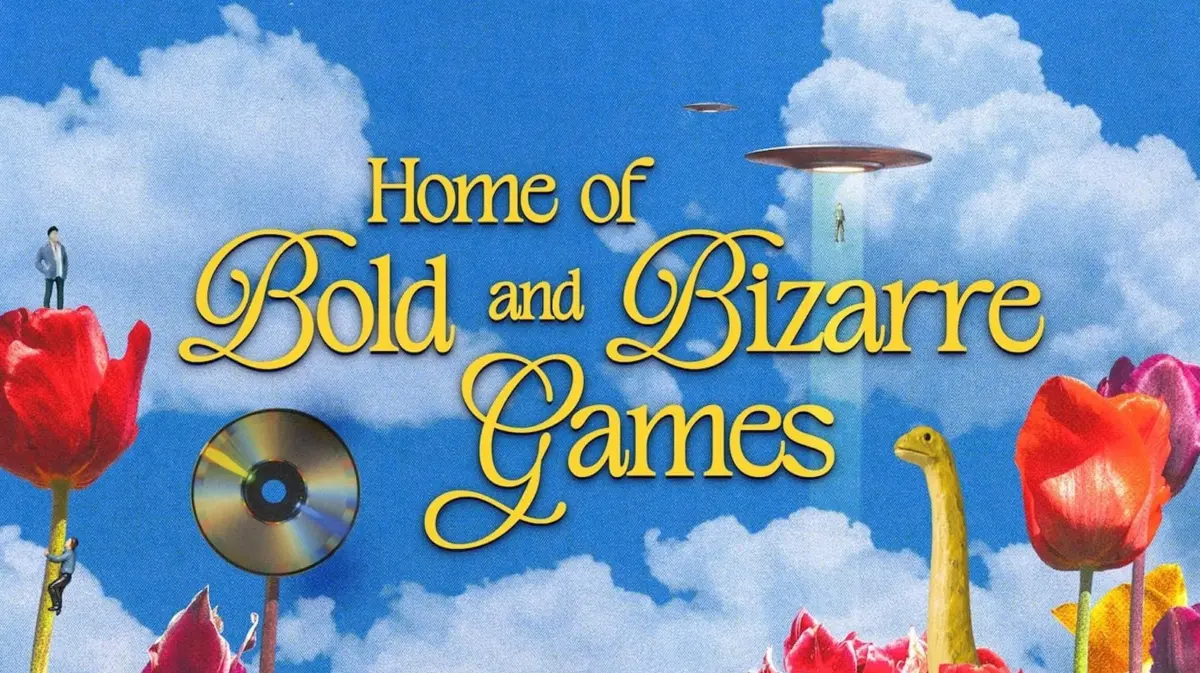
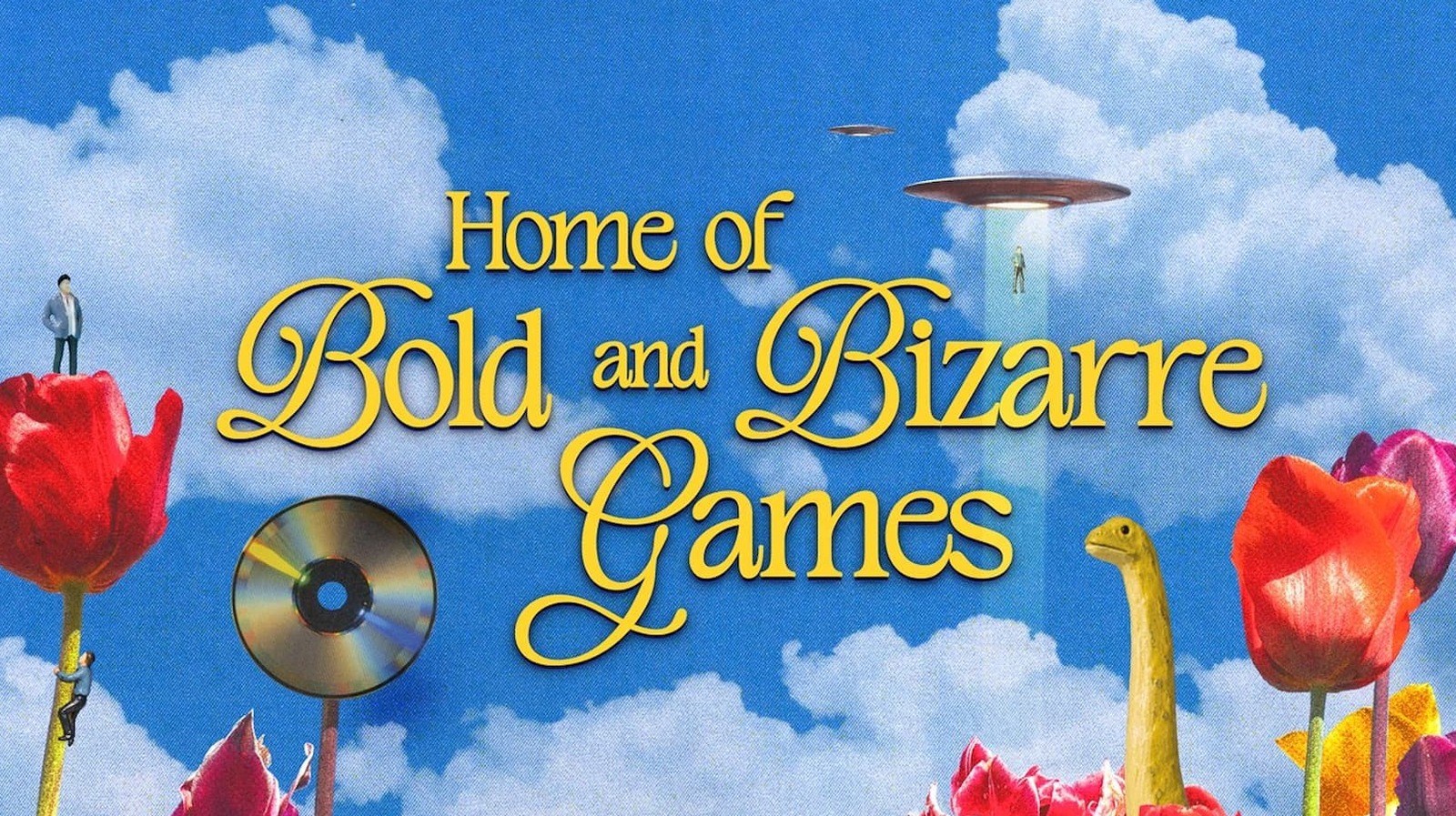
Enter Pantaloon. Originally established as a curated newsletter platform that successfully engaged over 50,000 subscribers through interactive puzzle-solving and carefully vetted game key drops, the organization is making a bold leap into indie publishing. Its latest venture, The Playbill, is a subscription service unapologetically modeled on the structure of the Xbox Game Pass, but fundamentally re-engineered to champion the "bold and bizarre."
Positioned as an antidote to homogenized, algorithmic curation, The Playbill launches with a diverse 13-game lineup spanning third-party gems and first-party internal projects. Crucially, the platform arrives with a definitive, uncompromising ethical stance in an era increasingly disrupted by automated tools: Pantaloon has instituted a blanket ban on generative artificial intelligence. The Playbill will not feature, platform, or support any title utilizing genAI in any form, framing the service as a pure celebration of human craft, raw eccentricity, and the uncompromising vision of independent creators.
Priced accessibly at $5 per month or $60 annually, the service bridges the gap between traditional storefront purchases and streaming-style access, utilizing a key-based rotating model designed to sustainably support developers while offering players a low-barrier ticket into corners of the gaming ecosystem they might otherwise never explore.
Detailed Chronology: From Newsletter Puzzles to a Curator-Led Ecosystem
The trajectory of Pantaloon from a community-driven newsletter into a fully fledged independent publisher and subscription curator is a testament to the power of niche digital engagement.
Phase One: The Newsletter and Puzzle Foundations
Before conceptualizing a subscription model akin to major industry players, Pantaloon’s founders built an organic audience numbering north of 50,000 subscribers. This community was not cultivated through traditional advertising or social media campaigns, but rather through intellectual engagement. Subscribers were regularly challenged with intricate puzzles, cyphers, and alternate reality games (ARGs).
Successful participants were rewarded with game keys or granted access to purchase codes for highly specific, curated indie titles. This interactive vetting process established a baseline of trust between the platform and its audience, proving that players were hungry for curated taste over fire-hose delivery.
Phase Two: Transition to Publisher
Buoyed by a loyal and engaged readership, Pantaloon transitioned from a discovery newsletter into an active publisher. This evolution allowed the company to directly fund, nurture, and release its own experimental works. Internal titles such as Sub-Verge, Occlude, It Takes a War, Boxroom, Rolla, and the acclaimed music creation simulator Offbeat began establishing the publisher’s house style: uncompromising, mechanically distinct, and deeply artistic.
Phase Three: The Birth of The Playbill
Realizing that traditional marketplaces were failing the most idiosyncratic corners of the indie sphere, founder Jamin Smith and his team conceptualized The Playbill. Designed to lower the financial and psychological barrier to entry for experimental gaming genres, the platform soft-launched its philosophical framework around community-first accessibility.
The launch brings together an initial batch of 13 games, combining third-party standouts like Buckshot Roulette, Silt, Ex Sanguis, and Cabin Factory with Pantaloon’s proprietary stable. Furthermore, the platform carved out specialized ecosystem segments, such as the "Green Room"—an incubator zone dedicated to demos, playtests, and abandoned prototypes, featuring early-look titles like Isle Goblin, Mr Magpie’s Harmless Card Game, and Lemonade Apocalypse.
Supporting Context & Metrics: Decoding The Playbill’s Economic and Structural Model
To understand how The Playbill operates within the broader games-as-a-service (GaaS) ecosystem, one must analyze its underlying mechanics, which diverge significantly from corporate subscription behemoths like Microsoft’s Xbox Game Pass or Sony’s PlayStation Plus.
Key-Based Logistics and Inventory Rotation
Unlike streaming platforms that host server-side access indefinitely, The Playbill operates on a key-based distribution model.
- Scarcity and Cycling: Because licenses are tied to physical game keys, Pantaloon will cycle games out of the active service roster when allocated keys are exhausted. Simultaneously, fresh titles will be injected into the ecosystem on a regular cadence.
- Annual vs. Monthly Tiers: The financial architecture of the service is split into two distinct commitments. Annual subscribers ($60/year) enjoy immediate access to all 13 titles in the initial launch lineup, alongside every new title introduced during their subscription term. Monthly subscribers ($5/month) are guaranteed one bespoke partnership title per month, though they cannot select which game they receive upfront.
- The Anti-Churn Mechanism: To protect the economic viability of the platform and the developers whose games are featured, monthly subscribers unlock retrospective access to all previous titles only after maintaining six consecutive months of active subscription status. This prevents bad-faith actors from exploiting the service to vacuum up the entire library in a single month before immediately canceling.
Free-Access Components and ARGs
Pantaloon has notably retained elements of its roots by ensuring the platform is not entirely paywalled. Puzzles, community features, select Alternate Reality Games (ARGs), and Virtue: Prologue—a timed-exclusive visual novella companion piece to the forthcoming Virtue and a Sledgehammer—remain entirely free to access for anyone visiting the platform.
Official Statements: The Vision and Philosophy Behind Pantaloon
The ethos of The Playbill is inextricably linked to the personal philosophy of its founder, Jamin Smith, whose commentary highlights a growing industry backlash against algorithmic homogenization and the rise of synthetic media.
"We want the Playbill to be a celebration of more experimental and eccentric games," Smith stated during the platform’s rollout.
Addressing the core problem of digital discovery in the modern marketplace, Smith emphasized how traditional digital storefronts often fail genuinely unique projects:
"The nature of the model reduces that barrier to entry for players to check out genres and experiences that might not be surfaced by Steam’s market-shaping algorithms."
Perhaps the most culturally significant declaration accompanying the launch is Pantaloon’s explicit regulatory stance on artificial intelligence within creative works. In an era where tech conglomerates and even major game studios are aggressively integrating generative text, art, and voice models into their pipelines to cut operational costs, Pantaloon has drawn a hard ethical line in the sand:
"It’s also worth stating that we won’t feature or platform any games that use genAI in any form; the Playbill is a celebration of the craft of making games."
This definitive policy positions The Playbill not merely as a commercial distribution service, but as an ideological sanctuary for human artists, programmers, writers, and composers whose livelihood and creative expressions are increasingly threatened by automated content generation.
Future Outlook: Can a Boutique Subscription Model Survive in a Crowded Market?
As The Playbill establishes its footing, its long-term viability will serve as a fascinating case study for the independent games industry. The market is currently saturated with subscription offerings, from giant corporate ecosystems to itch.io bundles and indie-focused initiatives. However, Pantaloon’s hyper-curated, anti-algorithmic, and strictly anti-AI framework fills a distinct cultural vacuum.
The Appeal to the Disillusioned Gamer
Modern gamers are increasingly experiencing subscription fatigue alongside a growing cynicism toward major publishers leaning into safe sequels, live-service bloat, and generative AI shortcuts. By positioning The Playbill as an artisanal, high-taste boutique service—complete with interactive puzzles and deep community roots—Pantaloon is tapping into an audience that yearns for the days of bedroom coders, weird artistic risks, and genuine human soul in game development.
Challenges Ahead
Operating a key-based subscription model presents unique logistical hurdles. Managing developer revenue shares, negotiating third-party key allocations, and maintaining a steady stream of "bold and bizarre" titles without compromising quality will require meticulous curation. Furthermore, scaling a community of 50,000 newsletter subscribers into a mass-market audience while retaining its intimate, puzzle-driven identity will test the leadership capabilities of the Pantaloon team.
Nonetheless, by explicitly championing human artistry over algorithmic safety and automated shortcuts, The Playbill has staked out a noble and necessary position. If it succeeds, it could provide a sustainable economic blueprint for indie developers who refuse to conform to corporate trends or compromise their creative integrity—proving that there is still a vibrant, paying market for games made by humans, for humans.