Executive Overview
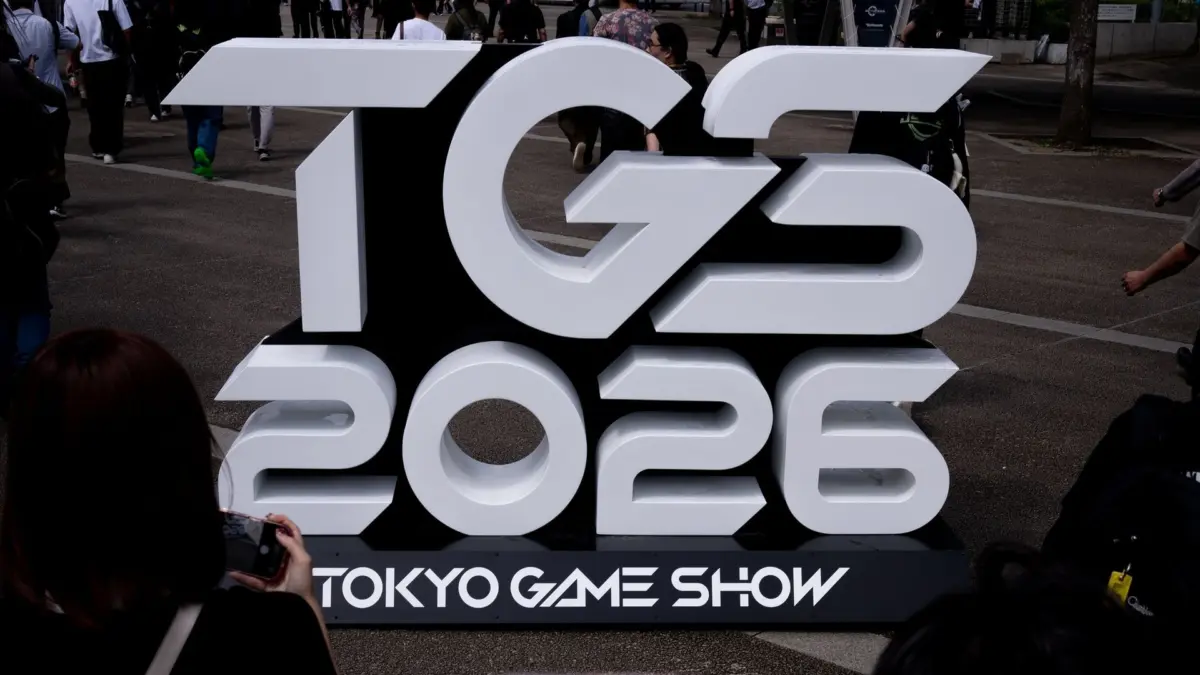
The 30th-anniversary milestone of the Tokyo Game Show (TGS) has been abruptly cut short by severe meteorological threats. Organizers of one of the world’s largest and most influential gaming exhibitions officially announced the total cancellation of the event’s final day, scheduled for Monday, September 21, 2026. The decision marks an unprecedented disruption to what was intended to be a celebratory, first-ever five-day iteration of the legendary convention held annually in Chiba, Japan.
The catalyst for this sudden shutdown is Typhoon Dujuan, the 25th named typhoon of the 2026 Pacific storm season. Packing torrential downpours and ferocious sustained winds, the storm system locked onto Japan’s densely populated Kanto region—the economic and cultural hub encompassing Tokyo. Meteorological agencies projected up to 16 inches of rainfall alongside catastrophic transport gridlock, forcing organizers to prioritize the physical safety of tens of thousands of attendees, international developers, media personnel, and exhibition staff over the continuation of the festival.
While the showfloor remained operational for Sunday, September 20—albeit under adjusted protocols and a palpable sense of urgency—the premature closure of Monday’s events leaves a complex logistical and financial puzzle for publishers, indie developers, and ticket holders alike. As Japan grapples with widespread transit suspensions and severe weather emergencies during a crucial national holiday period, the gaming industry is left to reckon with the sudden truncation of a milestone celebration that symbolized three decades of interactive entertainment history.
Detailed Chronology of Events
The unfolding crisis began days prior to the scheduled weekend festivities as meteorological models tracked Typhoon Dujuan’s trajectory across the western Pacific. Initially monitored as a developing tropical depression, the storm rapidly intensified into a formidable typhoon, prompting the Japan Meteorological Agency (JMA) to issue severe weather warnings across the central Honshu coastline.
The Buildup and the Milestone Celebration
Tokyo Game Show 2026 was designed to be a watershed moment for the Japanese and global gaming communities. Marking its 30th anniversary, the Computer Entertainment Supplier’s Association (CESA) boldly expanded the convention’s traditional four-day format into a historic five-day extravaganza running from Wednesday, September 16, through Monday, September 21. The extended schedule aimed to accommodate surging global demand, record-breaking corporate exhibitor rosters, and an anticipated influx of international tourists taking advantage of Japan’s autumn holiday calendar.
For the first four days, the sprawling Makuhari Messe convention center in Chiba buzzed with unprecedented energy. Major hardware manufacturers, powerhouse publishers, and hundreds of independent developers showcased groundbreaking titles, next-generation hardware configurations, and immersive virtual reality experiences. Among the major highlights was the annual PC Gaming Show: Tokyo Direct, which broadcast live from the ground to millions of online viewers, delivering a curated showcase of upcoming PC titles, deep-dive developer interviews, and exclusive game trailers.
The Turning Point
By the evening of Saturday, September 19, the atmospheric outlook deteriorated drastically. Weather forecasts confirmed that Typhoon Dujuan would make a direct and violent impact on the Kanto plain precisely during the peak hours of the exhibition’s scheduled Monday finale.
Recognizing the immense liability of managing hundreds of thousands of commuters amidst severe wind shears and flash flooding, event organizers convened an emergency risk-assessment session. By late Saturday evening, the decision was finalized. The agonizing call was made to strip the final day from the schedule, closing the doors to the public indefinitely following the conclusion of Sunday’s operations.
Supporting Context & Metrics: Weather Impacts and Logistics
The cancellation of TGS 2026’s final day was not merely a precautionary measure; it was an unavoidable response to a systemic regional paralysis. According to reports from The Japan Times, Typhoon Dujuan established itself as one of the most disruptive weather events to hit the Greater Tokyo Area in recent years, aligning with Japan’s autumn "Silver Week" holiday cluster—a period historically characterized by heavy domestic travel.
Meteorological and Infrastructural Toll
- Precipitation Projections: Forecasters estimated that the storm would dump upwards of 16 inches (approx. 400 millimeters) of rain across the Kanto region within a 24-hour window, elevating risks of mudslides, river overflows, and severe urban inundation.
- Aviation Disruption: Major domestic carriers, including Nippon Airways (ANA) and Japan Airlines (JAL), preemptively grounded hundreds of flights operating in and out of Haneda and Narita international airports, stranding thousands of international travelers and industry professionals.
- Rail Network Paralysis: East Japan Railway Company (JR East) instituted rolling suspensions and permanent cancellations across multiple high-speed Shinkansen lines and commuter rails. Because the Makuhari Messe relies heavily on seamless rail transit—specifically the Keiyo Line connecting Tokyo Station to Kaihimakuhari Station—the crippling of these lines meant the venue would have been virtually inaccessible to the public.
Economic and Logistical Fallout
The abrupt truncation of the event creates massive logistical hurdles that CESA and venue management must address in the coming weeks:
- Ticket Refunds: Organizers immediately instituted a comprehensive refund policy for all ticketholders who purchased passes explicitly for Monday, September 21.
- Exhibitor Compensation: Dozens of domestic and international game studios had invested heavily in booth rentals, physical construction, promotional merchandise, and staffing for the fifth day. Discussions regarding partial refunds, tax credits, or future event credit are anticipated, though formal corporate statements remain pending as companies focus on safe evacuation and asset preservation.
- Media and Shipping Constraints: With freight forwarders halting operations, logistics managers faced a race against time to secure heavy gaming rigs, promotional kiosks, and sensitive prototype hardware before gale-force winds rendered loading docks unsafe.
Official Statements and Industry Response
The official confirmation was communicated swiftly across multiple digital channels to ensure attendees and stakeholders received actionable information before attempting to travel on Sunday night or Monday morning.
Organizers’ Statement
In an official emergency broadcast published via the event’s verified social media channels, TGS organizers articulated the rationale behind the shutdown:
"Due to the approach of Typhoon No. 25, strong winds and rain are expected to intensify in the afternoon and beyond, and disruptions to transportation are also a concern. Therefore, prioritizing the safety of all attendees, exhibitors, and related parties, as well as ensuring safe return home, we have decided to cancel the event for the entire day [Monday, September 21].
We deeply apologize to those who were looking forward to the final day of our historic 30th-anniversary event, and we ask for your kind understanding regarding this unavoidable safety measure."
Media and Exhibitor Adaptation
Despite the gloom cast by the weather advisory, the broader gaming ecosystem rallied to ensure the work showcased throughout the week was not lost to the storm. Outlets like Kotaku and PC Gamer pivoted their coverage strategies immediately, emphasizing digital retrospectives and video-on-demand (VOD) archives.
For fans who missed out on the live-streamed presentations due to storm preparations or power outages, the complete broadcast of the PC Gaming Show: Tokyo Direct remains accessible via YouTube. Furthermore, comprehensive roundups detailing every title announcement, trailer drop, and developer interview have been published to guide enthusiasts through what would have been unveiled on the convention floor during the truncated hours.
Future Outlook: Lessons Learned and Looking Ahead to TGS 2027
As Typhoon Dujuan gradually dissipates over the northern Pacific and recovery efforts begin across Chiba and Tokyo, the gaming industry is left to evaluate the broader implications of this unprecedented weather disruption.
The Curse of the Five-Day Experiment?
Industry commentators and veteran attendees have already begun half-jokingly questioning whether the universe simply ordained that the Tokyo Game Show should remain a four-day affair. Having spent three decades perfecting a streamlined Thursday-through-Sunday schedule, expanding into a five-day format proved to be a structural anomaly that collided with severe seasonal typhoon activity. Whether CESA will attempt a five-day anniversary experiment in future years or revert to the tried-and-true four-day window remains one of the primary talking points among Japanese event planners.
Resilience and Adaptation
Beyond the scheduling debate, TGS 2026 highlights the growing vulnerability of physical entertainment conventions to climate change and extreme weather volatility. As meteorological anomalies become increasingly common across East Asia, future iterations of major global conventions will likely need to integrate even more robust crisis management frameworks, enhanced hybrid digital-physical contingency plans, and more flexible insurance mechanisms to protect smaller independent developers from sudden financial devastation.
For now, the focus shifts entirely to recovery, relief, and reflection. While the party in Chiba was brought to an unceremonious and sudden halt, the sheer volume of announcements, trailers, and innovations that successfully debuted during the first four days ensures that Tokyo Game Show 2026 will be remembered—not just for the storm that brought it down, but for the enduring resilience and creativity of the global video game industry.