By Cade Onder
Updated: September 16, 2026
Executive Overview
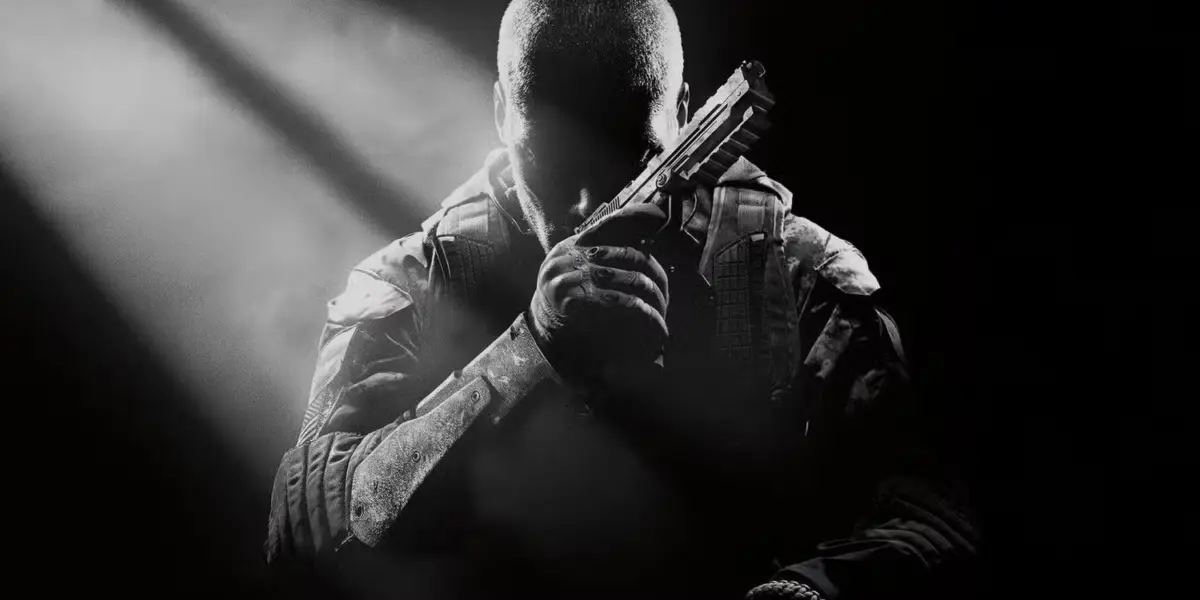
In an ironic twist that highlights a growing weariness within the modern gaming community, a classic title has managed to completely eclipse its contemporary successors. According to fresh platform data released by PlayStation, Call of Duty: Black Ops 2—a titan of the PlayStation 3 era originally launched over a decade ago—is currently more popular on the PlayStation 5 in the United States than both Call of Duty: Black Ops 7 and the powerhouse free-to-play juggernaut, Call of Duty: Warzone.
This stunning anomaly comes on the heels of Activision’s surprise summer release of the first two Black Ops ports for current-generation hardware. While industry analysts initially marked those summer releases as a nostalgic cash-in, subsequent metrics have proven otherwise. Black Ops 2 has firmly planted itself as the 9th most popular game on the PS5 platform in the U.S., while the centralized Call of Duty HQ app—which acts as the launching pad for recent entries like Black Ops 6 and Black Ops 7—is glaringly absent from the upper echelons of the chart.
This reversal of fortune underscores a deeper, systemic fatigue plaguing the multi-billion-dollar franchise. As players increasingly turn their backs on annualized iterations in favor of older, more fondly remembered classics, questions are being raised about the creative direction of the series. With longtime developer Treyarch signaling a desire to break away from the Black Ops moniker entirely, the leadership at Activision faces a critical inflection point. The king has returned to claim his crown, but the empire surrounding him is showing structural cracks.
Detailed Chronology: From PS3 Nostalgia to PS5 Dominance
To fully understand how a 2012 release has overtaken cutting-edge 2026 hardware titles, it is necessary to trace the timeline of events that led to this unexpected resurgence.
The Summer Surprise of 2026
Earlier this summer, Activision shocked the gaming community by quietly dropping native PS5 ports of Call of Duty: Black Ops and Call of Duty: Black Ops 2. Though fans had clamored for backwards compatibility or current-gen ports for years, the announcement was met with mixed initial reactions due to pricing concerns. Despite carrying a surprisingly high cost for decades-old software, the sheer hunger for a return to classic, unadulterated multiplayer gameplay drove millions of players back to the fold.
Dominating the Summer Sales Charts
Throughout July and August, retail and digital tracking analysts noted an unprecedented phenomenon: Black Ops 1 and Black Ops 2 were soaring to the top of the sales charts, frequently outperforming brand-new, high-profile AAA releases of 2026. Commentators attributed this to a combination of pure nostalgia and a growing community sentiment that modern shooters had become overly complex, bloated with skill-based matchmaking (SBMM), and bogged down by microtransactions.
PlayStation’s Transparency Update
The true scale of this preference only became crystal clear today, when PlayStation rolled out a comprehensive ecosystem update. This new feature allows players to view granular, regionally filtered data regarding the most popular games in their home countries.
While the top of the U.S. charts featured expected mainstays like Fortnite, Minecraft, Grand Theft Auto V, yearly sports titles, and the newly launched Marvel’s Wolverine, the inclusion of Black Ops 2 at number 9 served as a watershed moment. Meanwhile, modern Call of Duty offerings were nowhere to be found in the prominent visibility slots, signaling a profound shift in consumer engagement.
Supporting Context & Metrics: The Decline of Modern Iterations
The triumph of Black Ops 2 cannot be viewed in a vacuum; it is the direct symptom of a franchise struggling under the weight of its own annual release cycle.

The Black Ops 7 Miscalculation
Following years of incremental updates and shifting player bases, Call of Duty: Black Ops 7 debuted to a notably muted reception. Both critical reviews and commercial sales figures fell well short of Activision’s internal projections. Fans voiced intense frustration over iterative gameplay loops, map design philosophy, and a perceived lack of genuine innovation within the modern engine.
Instead of capturing the magic that made the sub-franchise a household name in the early 2010s, Black Ops 7 felt to many like an exhausted continuation of a script written a decade ago. Consequently, when the pristine PS5 port of Black Ops 2 became available, disillusioned fans migrated en masse. For many, dropping into Slums, Raid, or Express on current-gen hardware offered a stark reminder of why they fell in love with the franchise in the first place: tight map design, straightforward prestige progression, and a focused, arcade-like gameplay experience free of modern live-service complications.
The Looming Shadow of Modern Warfare 4 and GTA 6
Industry watchers suggest that players returning to Black Ops 2 are essentially "holding the line" while awaiting the rumored arrival of Modern Warfare 4. Hopes are pinned on Modern Warfare 4 serving as a definitive course correction for the brand. However, the window for redemption is narrower than ever. With Rockstar Games’ monumental Grand Theft Auto 6 looming on the horizon, consumer attention and wallets are about to be severely constrained. If Activision fails to revitalize its core shooter identity soon, the mass exodus to older titles may become a permanent migration.
Official Statements and Industry Implications
The ripple effects of this player rebellion are already being felt within the studio walls of Treyarch, one of the primary pillars of the Call of Duty development ecosystem.
Treyarch Ready to Turn the Page
In tandem with today’s startling metrics, Treyarch made a revealing announcement regarding its long-term future. The studio officially signaled that it is looking to step away from the Black Ops franchise, stating an ambition to craft "something new" and "something that nobody’s ever experienced before."
Having spent the last two years hyper-focused on maintaining and expanding the Black Ops universe through multiple generations of hardware, the development team appears ready to shed its historical shackles. While Treyarch could theoretically attempt to birth a brand-new narrative arc within the Black Ops umbrella, industry analysts note that the cleanest slate—and the most effective way to appease fans fatigued by the current formula—would be the creation of an entirely fresh subfranchise.
What This Means for Activision
For a publisher that has relied on predictable, yearly multi-billion-dollar returns, seeing an old legacy product cannibalize the player base of its current flagship releases is an undeniable wake-up call. Activision must carefully weigh whether to continue pushing live-service monetization models that alienate core veterans, or to pivot toward the timeless design principles that made games like Black Ops 2 enduring cultural touchstones.
Future Outlook
As the dust settles on PlayStation’s new popularity metrics, the gaming landscape finds itself in a fascinating paradox. A game released in 2012 sits proudly in the upper echelons of a 2026 platform chart, mocking the multi-million-dollar marketing campaigns of its modern siblings.
It will likely be a few years before Treyarch pulls back the curtain on its mysterious new project, and the immediate future of the franchise rests precariously on whether upcoming entries like Modern Warfare 4 can recapture the community’s trust before GTA 6 changes the industry landscape forever. Until then, the king retains its throne, and millions of players are happily stepping back in time to remember what a truly great shooter feels like.