Executive Overview
Apple’s highly anticipated launch of the iPhone Duo is shaping up to be one of the most supply-constrained product rollouts in recent tech history. According to internal directives and reports surfacing from retail channels, Apple has instructed its retail employees to actively discourage customers without pre-orders from attempting to purchase the device via walk-in availability on launch day.
While the official Apple website directs prospective buyers to check back for potential inventory updates, internal guidance tells a starkly different story. Retail staff have been explicitly warned that physical store allocations for non-pre-ordered units will likely be non-existent. This aggressive move aims to manage customer expectations and prevent long, fruitless queues outside Apple Stores globally.
The root cause of this retail crunch stems from a potent combination of unprecedented consumer demand and persistent, well-documented manufacturing bottlenecks. Apple officially characterized the pre-order response for the iPhone Duo as "extraordinary," a sentiment echoed by soaring delivery wait times that currently stretch deep into January. For consumers hoping to bypass the online queue by lining up early at their local retail store, the outlook is bleak.
Detailed Chronology: How the iPhone Duo Supply Crisis Unfolded
To understand the current state of panic and scarcity surrounding the iPhone Duo, it is essential to trace the timeline of events leading up to this point.
Phase 1: Pre-Production Warnings and Rumors (Late Summer)
Months before the official unveiling, industry insiders and supply chain analysts flagged potential manufacturing hurdles tied to the iPhone Duo’s novel hardware architecture. Reports indicated that assembly yields were lagging behind Apple’s strict quality assurance standards. Despite these early warnings, Apple’s marketing engine pushed forward, setting the stage for a high-profile autumn release.
Phase 2: The Official Unveiling and Pre-Order Sensation
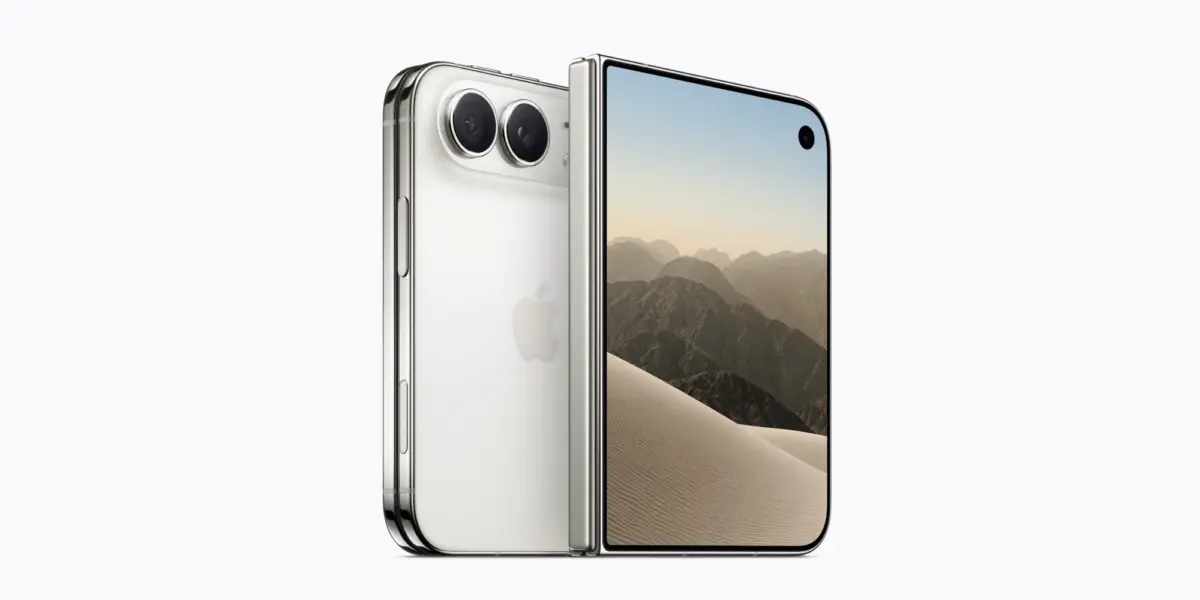
When the iPhone Duo finally debuted in star white and other flagship colorways, it captured the undivided attention of the consumer tech market. The device promised groundbreaking features, a sleeker form factor, and enhanced ecosystem integration. However, the moment pre-orders went live, the digital infrastructure buckled under the immense weight of global traffic.
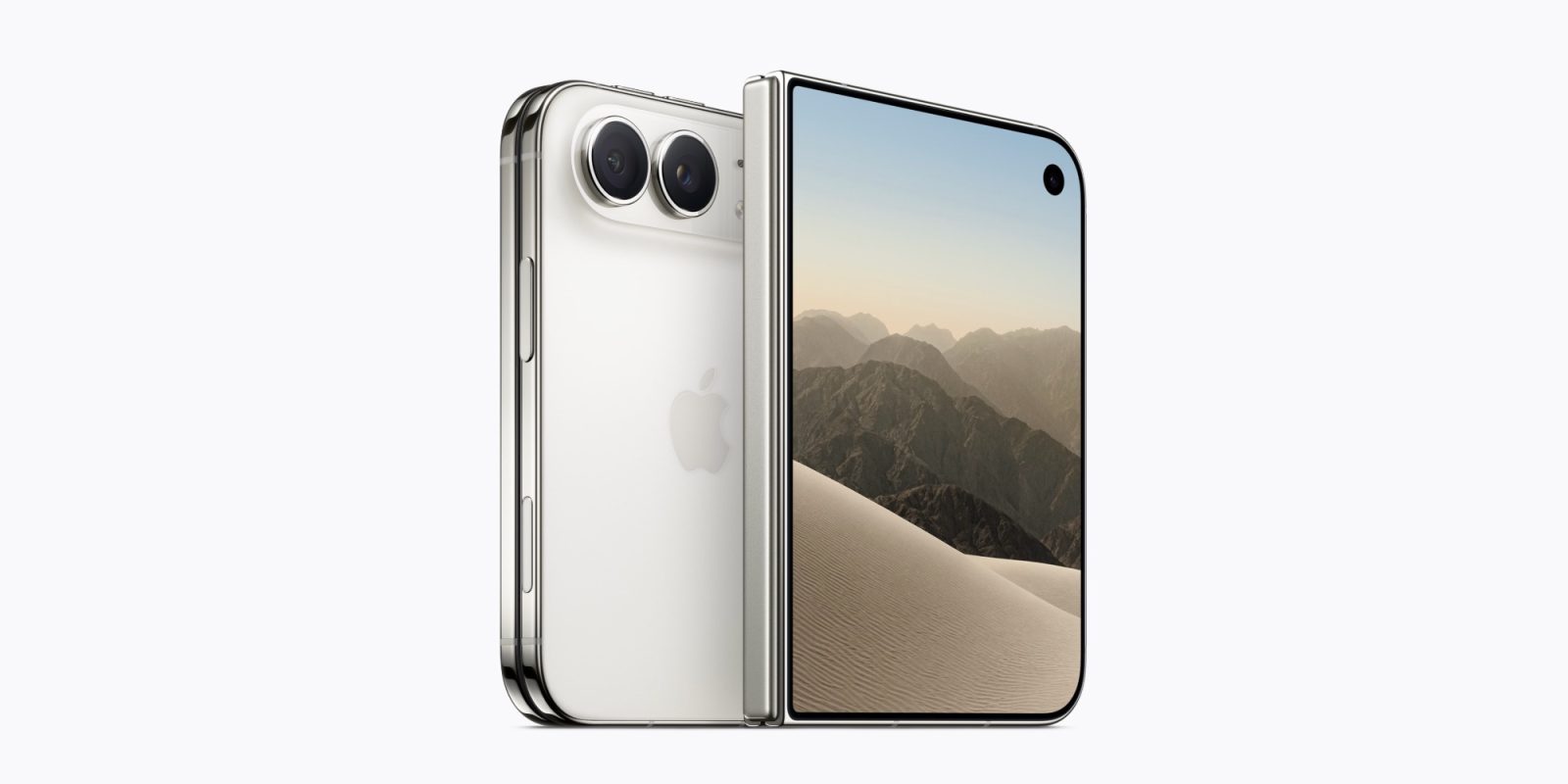
Within minutes of opening, shipping dates began slipping from launch day to late November, then December, and finally, by the end of the first day, orders were backordered all the way into January.
Phase 3: The Retail Crackdown and Walk-In Warnings
As delivery windows pushed further into the future, consumers naturally turned their attention to brick-and-mortar retail locations, hoping to secure a device on launch day through traditional walk-in methods. Recognizing a potential public relations nightmare involving angry crowds and empty shelves, Apple management distributed strict guidelines to store employees. Staff were instructed to set clear expectations: do not expect to buy an iPhone Duo without a confirmed pre-order.
Supporting Context & Metrics: Supply Constraints, Scalpers, and Alternative Channels
The sheer magnitude of the iPhone Duo shortage highlights broader vulnerabilities within the global electronics supply chain, while also creating a feeding frenzy among opportunistic third-party resellers.
The Scale of the Backlog
As it stands, online orders for the iPhone Duo are effectively sold out through January. This means that anyone attempting to purchase the device directly from Apple’s primary digital storefront faces a multi-month wait. Market analysts point to component shortages—specifically regarding advanced display panels and proprietary silicon processing units—as the primary culprits behind the constrained yield rates.
The Rise of Secondary-Market Scalpers
Whenever high-demand Apple products face severe scarcity, secondary markets experience an immediate surge in predatory pricing. Within hours of the pre-order window closing, digital marketplaces were flooded with listings from scalpers asking absurd markups for day-one delivery slots or guaranteed pre-order transfers. Security experts and consumer advocacy groups have warned buyers to exercise extreme caution when dealing with unauthorized resellers, citing an increased risk of financial scams and fraudulent listings.
Alternative Purchasing Avenues
For consumers determined to acquire an iPhone Duo without waiting until the new year, Apple’s official retail channels are not the only game in town. Industry data suggests that major telecommunications carriers and large-scale electronics retailers—such as Best Buy—may receive separate, dedicated inventory allocations. While these channels are also experiencing high demand, they occasionally offer a viable workaround for shoppers willing to bundle device purchases with carrier activation plans or monitor stock trackers diligently.

Official Statements and Industry Response
Apple has maintained its characteristic focus on high demand while remaining tight-lipped about the exact timeline for resolving manufacturing bottlenecks. In a statement released shortly after pre-orders went live, an Apple spokesperson described the consumer response as "extraordinary," thanking early adopters for their enthusiasm.
However, the contrast between public optimism and private retail directives has drawn scrutiny from retail analysts. By privately instructing employees to turn away walk-in customers, Apple is attempting to mitigate the operational chaos that typically accompanies major product launches. Store managers have been briefed on crowd-control protocols to ensure that disappointed patrons are handled professionally and directed back to online reservation tools, despite the delayed fulfillment dates.
Industry observers note that this strategy marks a departure from previous years, where Apple Stores routinely held back a modest pool of launch-day stock specifically to reward dedicated fans willing to camp out overnight. The complete elimination of walk-in inventory underscores just how severe the iPhone Duo supply deficit truly is.
Future Outlook: What Buyers Can Expect Moving Forward
As the official launch date rapidly approaches, prospective buyers must recalibrate their expectations.
- Abandon Launch-Day Camping Plans: Unless you have a confirmed pre-order secured weeks in advance, visiting an Apple Store on launch day in hopes of walking out with an iPhone Duo is an exercise in futility. Retail employees have been explicitly told to manage this reality transparently.
- Explore Carrier Options: If immediate acquisition is a top priority, keep a close eye on major carrier inventories and authorized third-party electronics retailers. These channels sometimes operate on independent supply pipelines that may yield better short-term availability.
- Monitor Restock Windows: For those willing to wait, regularly refreshing online reservation systems or utilizing third-party inventory alert tools will be crucial. Apple occasionally drops small, unannounced waves of stock for in-store pickup, though these disappear within seconds.
- Prepare for Long-Term Delays: If supply chain constraints fail to ease in the coming weeks, the January backorder window could stretch even further, potentially impacting regional rollouts in international markets.
Ultimately, the iPhone Duo launch serves as a masterclass in high-demand consumer electronics marketing, coupled with the stark logistical realities of modern global manufacturing. Patience—or a hefty premium on the secondary market—will be required for anyone hoping to secure Apple’s latest flagship device anytime soon.