Executive Overview
As the global smartphone market navigates a complex matrix of supply chain shifts, rising component costs, and surging artificial intelligence processing demands, Apple is reportedly preparing a strategic pivot for its early 2027 hardware lineup. According to a wave of recent supply chain leaks and insider reports, the Cupertino-based tech giant is gearing up to launch three distinct devices: the iPhone 18, the iPhone 18e, and the ultra-slim iPhone Air 2.
What makes the upcoming 2027 cycle particularly fascinating to industry analysts and consumers alike is the unprecedented convergence between Apple’s standard flagship model and its more accessible, budget-conscious counterpart, the iPhone 18e. Driven by a lingering, AI-driven memory crisis that began escalating in previous years, Apple has reportedly leaned heavily into aggressive cost-cutting and manufacturing optimization strategies.
Rather than maintaining a vast chasm of feature differentiation between tiers, recent leaks indicate that the standard iPhone 18 and the value-oriented iPhone 18e may share more DNA than any previous generation of iPhones. From unified battery capacities to shared manufacturing processes and standardized display sizes, Apple is rewriting its product segmentation playbook. This in-depth investigative report examines the leaks, evaluates the technical and financial motivations behind these design decisions, and explores what the 2027 iPhone lineup means for the future of mobile computing.
Detailed Chronology: The Evolution of the 2027 iPhone Pipeline
To understand how Apple arrived at this critical juncture for the iPhone 18 series, it is essential to trace the chronology of reports, supply chain adjustments, and component planning that have shaped the 2027 roadmap.
The Spark: The AI-Driven Memory Crisis (2025–2026)
The groundwork for Apple’s 2027 strategy was laid long before the devices entered mass production. As generative artificial intelligence models and on-device machine learning tasks demanded unprecedented amounts of high-speed unified memory (RAM), the global semiconductor industry experienced a severe tightening in component availability. Memory manufacturers pivoted heavily toward enterprise-grade AI accelerators, driving up the baseline costs of dynamic random-access memory (DRAM) and flash storage.
By mid-to-late 2025, industry insiders began noting that Apple was feeling the pinch. While luxury tier devices like the Pro and Pro Max lines could easily absorb soaring component costs via high retail pricing, Apple’s entry-level and mid-range devices faced a profitability squeeze.
The Shift Toward Cost-Cutting and Shared Manufacturing (April 2026)
In April 2026, initial reports surfaced indicating that Apple was fundamentally rethinking its production timelines and cost structures for the upcoming iPhone 18 generation. Rather than utilizing disparate, highly customized manufacturing lines for each tier, supply chain checks revealed that Apple planned to streamline production.
The primary objective was simple: leverage economies of scale by standardizing manufacturing processes across multiple models. By using identical or closely related fabrication pipelines for both the flagship iPhone 18 and the budget-focused iPhone 18e, Apple could slash production overhead while maintaining healthy profit margins without pricing everyday consumers out of the market.
The Weibo Leaks and Verified Specifications (Late 2026 – Early 2027)
The speculation transformed into tangible details when prominent industry leak sources—most notably the insider known as Fixed Focus Digital on the Chinese social media platform Weibo—published detailed specification sheets. According to reports, these leaks originated from internal documentation verified by multiple independent supply chain sources.
The leaked documentation outlined a surprising degree of parity between the iPhone 18 and the iPhone 18e. Most notably, rumors pointed toward a shared battery capacity—a move historically unheard of between Apple’s standard and budget tiers. Furthermore, leaks suggested that the iPhone 18e would receive a major physical redesign, migrating to a modern 6.3-inch display footprint that brings it into direct alignment with the standard iPhone 18.
Supporting Context & Metrics: Unpacking the Hardware Convergence
The decision to blur the lines between the standard iPhone 18 and the iPhone 18e represents a profound philosophical shift in how Apple positions its entry-to-mid-tier devices. To fully grasp the significance of these changes, we must analyze the key metrics and hardware upgrades reported in the latest leaks.
1. Battery Capacity Standardization
In past iPhone generations, battery capacity was one of the primary vectors Apple used to differentiate device pricing and physical dimensions. Smaller, more affordable models routinely packed smaller power cells, forcing users to choose between battery longevity and upfront cost.
The latest 2027 leaks indicate that Apple is pivoting away from this strategy out of manufacturing necessity. By equipping both the iPhone 18 and the iPhone 18e with the same robust battery unit, Apple achieves two critical goals:
- Production Efficiency: Procuring a single, high-volume battery component reduces supply chain friction and lowers unit costs.
- Consumer Value: For users who prefer a more budget-friendly device, receiving the exact same battery hardware as the standard flagship is an unprecedented win.
2. Processing Power and Efficiency Gains: The A20 Era
While exact system-on-chip (SoC) branding details continue to evolve in supply chain chatter, the iPhone 18 family is slated to run on Apple’s cutting-edge next-generation silicon (widely referred to in developer circles as the A20 architecture).

Combined with the larger battery cells leaked in recent documentation, these new chips will deliver monumental efficiency gains. Mobile processors built on advanced sub-nanometer nodes require significantly less power to execute intensive computational tasks, particularly regarding on-device Apple Intelligence frameworks. Consequently, users of both the standard iPhone 18 and the value-oriented iPhone 18e can expect breakthrough all-day battery life that punches well above historical performance metrics for entry-tier devices.
3. The Display Evolution: Saying Goodbye to the Notch
Perhaps the most visually impactful hardware shift outlined in the recent leaks concerns the display dimensions of the iPhone 18e. Historically, budget iPhones (such as the iPhone SE line and early derivatives) lagged behind flagship models by retaining older form factors, thick bezels, and the classic display notch.
The 2027 roadmap changes this dynamic entirely. The leaked transition to a 6.3-inch display on the iPhone 18e carries profound structural implications:
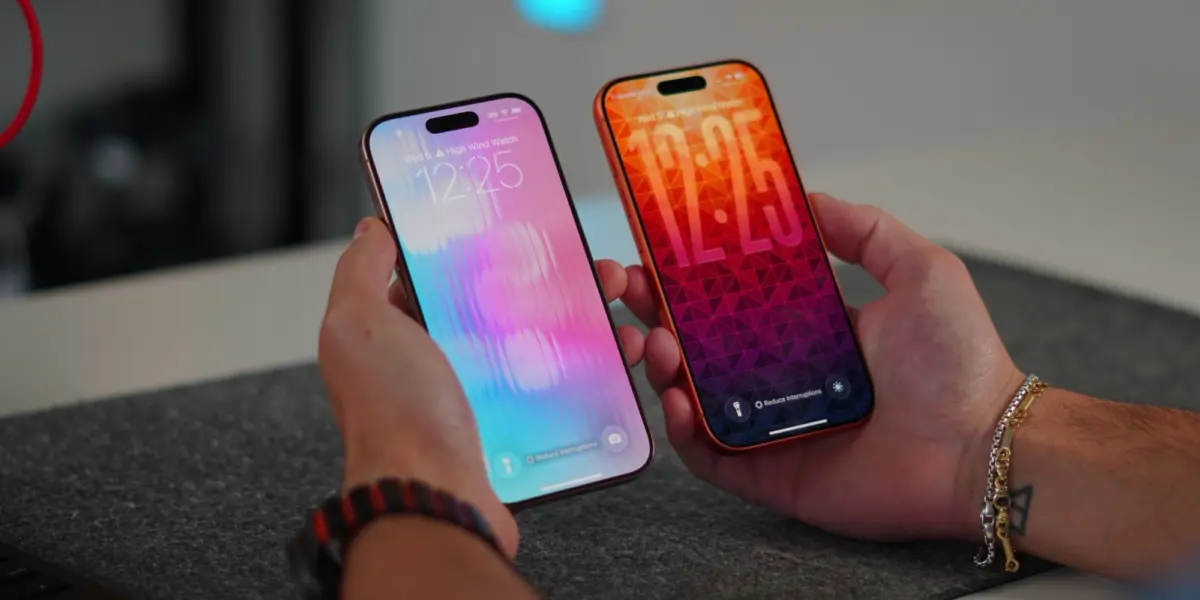
- The Death of the Notch: Apple has never manufactured a 6.3-inch display housing a traditional notch. Therefore, moving the iPhone 18e to a 6.3-inch form factor strongly implies the complete elimination of the legacy notch design in favor of the Dynamic Island.
- Form Factor Parity: With both the iPhone 18 and iPhone 18e sharing a 6.3-inch canvas, consumers shopping at the lower end of the price spectrum will no longer have to compromise on modern screen real estate or aesthetic appeal.
Official Statements and Industry Perspective
While Apple maintains its strict corporate policy of refusing to comment on unannounced products or supply chain leaks, industry observers, financial analysts, and ecosystem partners have weighed in heavily on what these 2027 developments signify.
Speaking on condition of anonymity, a supply chain strategist familiar with component assembly in Asia noted:
"The historical playbook of segmenting every single millimeter of hardware is becoming financially unsustainable in an era of skyrocketing silicon and memory costs. Apple is proving adept at re-engineering its product matrix. By standardizing core foundations—like battery footprints and display chassis—they can pass vital cost-savings down to the consumer while protecting their margins."
Market research firms have similarly praised the potential move toward a unified 6.3-inch standard across entry and mid-tier devices. Consumer research consistently shows that buyers of non-Pro iPhones desire modern aesthetics—specifically the Dynamic Island and symmetrical bezels—but are often deterred by the steep price tags of standard flagship releases. By narrowing the gap between the iPhone 18 and the iPhone 18e, Apple effectively creates a high-value corridor that could capture upgraders clinging to older, home-button-era devices or aging iPhone 11 and 12 models.

Future Outlook: What to Expect Heading into Early 2027
As the technology sector looks ahead to the official unveiling of the 2027 lineup, several key questions remain regarding how Apple will market these three distinct devices (iPhone 18, iPhone 18e, and iPhone Air 2).
Marketing and Pricing Strategy
With the iPhone 18e sporting a modern 6.3-inch Dynamic Island display and a high-capacity battery identical to its more expensive sibling, Apple’s marketing department will face a unique challenge: How do you incentivize consumers to purchase the standard iPhone 18 over the iPhone 18e?
The differentiation will likely fall to secondary hardware features not yet fully detailed in the early leaks. These differentiators may include:
- Camera System Capabilities: Advanced multi-lens arrays, optical zoom tiers, and sensor-shift stabilization reserved exclusively for the standard iPhone 18 and iPhone Air models.
- Build Materials: Premium aerospace-grade titanium or specialized aluminum alloys versus more cost-effective chassis coatings on the ‘e’ model.
- ProMotion and Refresh Rates: Whether Apple will introduce 120Hz ProMotion displays to the standard tier while keeping the entry tier at 60Hz remains a heavily debated topic among display analysts.
The Broader Ecosystem Impact
As Apple prepares for this pivotal 2027 launch window, the ripple effects will be felt across the entire mobile accessories market. Case manufacturers, screen protector developers, and peripheral designers are already accounting for the standardization around 6.3-inch form factors for the baseline models, alongside the ultra-slim design language expected from the iPhone Air 2.
For consumers, the early 2027 hardware cycle is shaping up to be one of the most compelling upgrade windows in recent memory. By fusing high-end battery metrics and modern display architecture into more accessible price points, Apple is positioning its ecosystem to thrive in an increasingly competitive global landscape.
Are you planning to upgrade to one of Apple’s lower-cost iPhone 18 models, or are you holding out for the ultra-slim iPhone Air 2? Let us know your thoughts in the comments below.