For years, the smart home ecosystem has felt like a patchwork of competing standards, fragmented applications, and digital assistants that struggle to maintain context across a living room. While companies like Amazon and Google carved out early leads with countertop displays and voice-activated hubs, Apple largely maintained a patient—some might say sluggish—distance. Aside from the Apple TV, the HomePod line, and HomeKit-compatible accessories, Cupertino has lacked a centralized, visual command center for the modern connected home.
That narrative is poised to change dramatically. According to the latest reporting from Bloomberg’s Mark Gurman, Apple is finally preparing to unveil its long-rumored, AI-driven smart home hub—tentatively and colloquially dubbed the "HomePad"—as early as October.
This isn’t merely a new SKU added to Apple’s hardware lineup; it represents the physical manifestation of the company’s broader artificial intelligence strategy. Anchored by next-generation Siri AI capabilities, the upcoming device is designed to bridge the gap between casual smart home automation and deep, cross-device intelligence. Set to debut alongside refreshes to the Apple TV 4K and HomePod mini, the HomePad aims to redefine how users interact with their living spaces, their personal data, and one another.
Detailed Chronology: From Whispers to Reality
The journey toward Apple’s dedicated smart home display has been one of the longest-running sagas in modern tech rumor mills. To understand the significance of this upcoming October launch, it is helpful to trace the evolution of the project from distant supply chain murmurs to an imminent retail reality.
The Early Rumors and Concept Phase (2021–2023)
As early as 2021, supply chain analysts began noting that Apple was exploring table-top hardware that combined a smart speaker with an iPad-like display. The concept gained traction as consumers increasingly adopted smart home displays from competitors. However, internal shifts in priority, hardware design challenges, and the lack of a sufficiently advanced conversational AI kept the project locked behind closed doors in Cupertino’s labs.
The Pivot to Advanced AI (2024–2025)
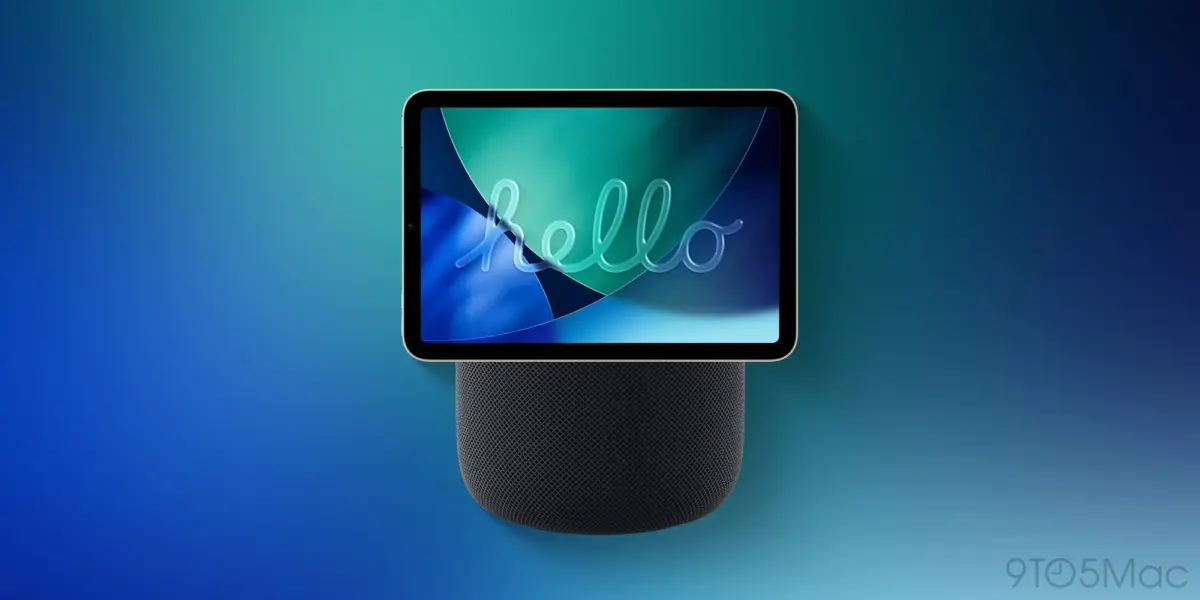
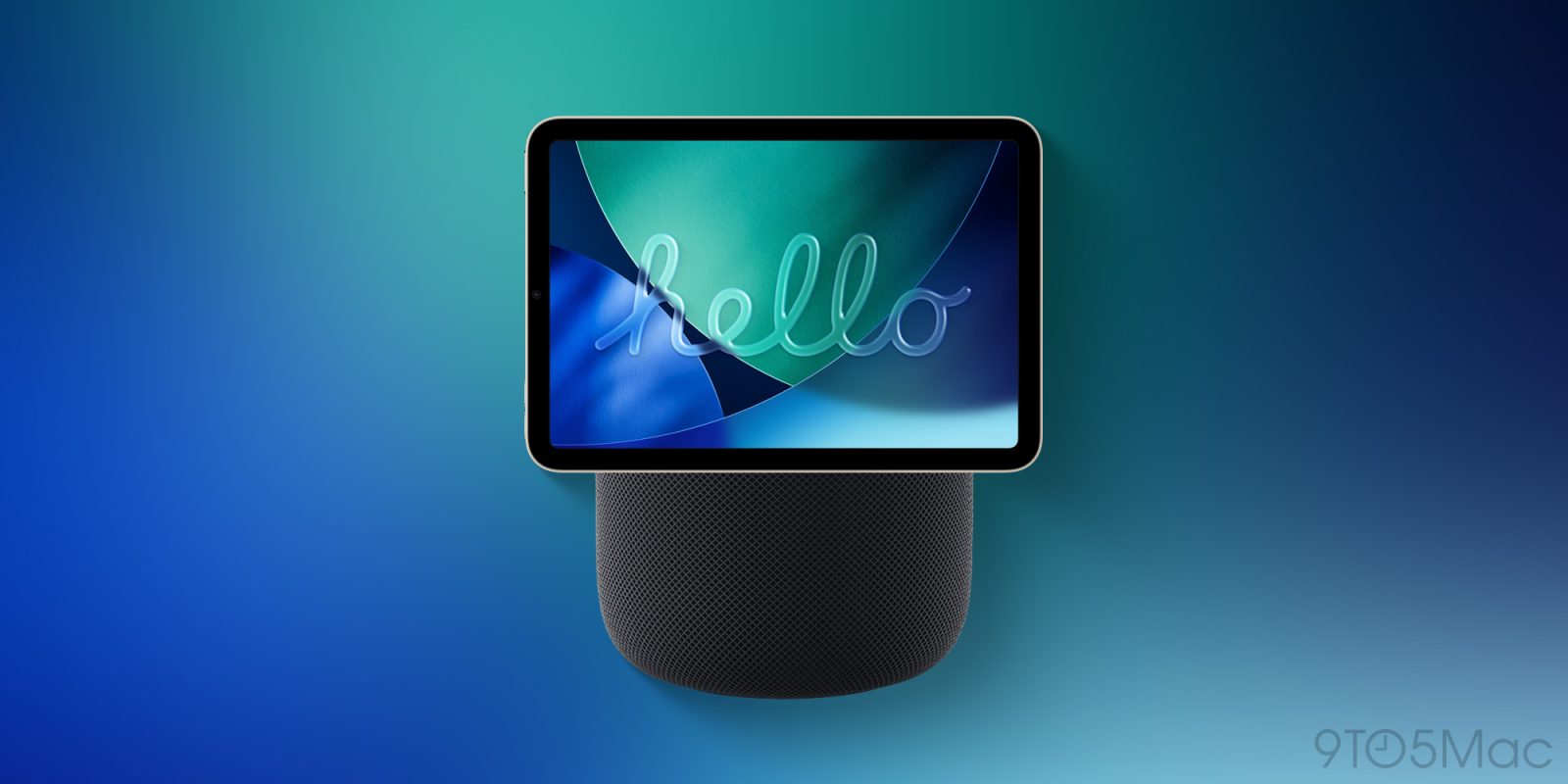
By late 2024 and throughout 2025, industry insiders reported that Apple had fundamentally retooled the project. Instead of functioning as a simple, passive video-intercom or digital picture frame, the device was re-engineered around conversational intelligence. With Apple Intelligence taking shape across iOS, iPadOS, and macOS, the company realized its smart home hub required an underlying neural architecture capable of handling complex, multi-step queries without breaking a sweat. Concepts and mockups circulated widely across the tech community, illustrating a device characterized by a sleek, touch-sensitive interface mounted on a compact, acoustic-focused base.
The Final Stretch and October Unveiling (2026)
In September 2026, Bloomberg’s Mark Gurman definitively shifted the timeline, reporting that the device—often referred to in internal documents and leaks as the home AI hub—was finally greenlit for an October debut. Rather than holding a massive standalone hardware event, Apple is expected to introduce the HomePad alongside a coordinated drop of autumn products, positioning smart home AI front and center for the holiday shopping season.
Supporting Context & Metrics: Why the HomePad Matters Now
To appreciate why Apple is entering the smart display market at this specific juncture, one must examine the current state of consumer hardware, the evolution of Siri, and the broader economic landscape of the connected home.
The "Killer Feature": Conversational Context and Siri AI
Historically, smart home displays have suffered from brittle voice commands. Asking a device to play a specific song, find a photo from a past trip, or cross-reference data across multiple applications often resulted in frustration or generic web search results.
Gurman’s reporting highlights that Apple’s primary differentiator will be deep, context-aware artificial intelligence. The HomePad is envisioned as a persistent terminal where users can:
Query cross-device history: Ask the hub to play a podcast or song that a family member shared via Messages weeks prior.
Retrieve visual assets: Instantly pull up and display specific photo memories or shared albums on screen without manual navigation.
Execute deep app automation: Carry out precise, complex tasks natively within foundational apps such as Notes, Reminders, and Calendar.
Navigate proprietary interfaces: Conduct multi-layered, complex searches across personal cloud storage and localized smart home logs through a fluid, touch-and-voice hybrid Apple interface.
Ecosystem Synergy: Beyond Apple TV and HomePod
For years, the Apple TV has served as the default home hub for HomeKit setups, acting as an invisible backbone rather than an active participant in daily family communication. The HomePod and HomePod mini provided incredible audio quality and localized voice control, but lacked a visual canvas.
The HomePad bridges this architectural gap. By placing a responsive touchscreen in the kitchen, hallway, or living room, Apple provides a physical nexus for Family Sharing, shared calendars, intercom messaging, and dynamic home security camera feeds. Furthermore, because it arrives alongside updated Apple TV 4K hardware and new HomePod mini iterations, Apple is effectively signaling a comprehensive refresh of its entire ambient computing portfolio.
Official Statements and Industry Insights
While Apple has maintained its customary official silence regarding unannounced products, statements from analysts and leaked internal roadmaps paint a vivid picture of corporate strategy.
In his recent Bloomberg newsletter, Mark Gurman outlined the core ethos driving the device’s development:
"Apple imagines people using Siri on the home hub to look up information across their devices and accounts. They could ask it to play a podcast or song someone sent them a while ago, find a particular image to display, or carry out more precise tasks in apps like Notes, Reminders and Calendar. The Siri AI app will also let them conduct more complex searches within an Apple interface."
Industry observers note that this strategy aligns with Apple’s broader pivot toward services and ambient computing. Rather than chasing low-margin hardware volume in the budget smart display sector—dominated for years by inexpensive plastic units from tech rivals—Apple is positioning the HomePad as a premium, privacy-focused home appliance. By leveraging on-device processing and Private Cloud Compute architectures, Apple aims to reassure privacy-conscious consumers that their domestic conversations, home security feeds, and personal schedules remain strictly confidential.
Future Outlook: What the HomePad Means for the Smart Home
As we look toward the official October rollout, several critical questions remain regarding how the HomePad will reshape consumer expectations and industry competition.
1. Pricing and Market Positioning
Will Apple price the HomePad aggressively to capture market share, or will it carry a luxury price tag akin to high-end audio gear and iPad hardware? Given the integration of advanced touch panels, localized Siri AI processing chips, and premium acoustic engineering, industry consensus suggests a mid-to-high tier pricing strategy. It is unlikely to compete directly with sub-$100 entry-level displays; instead, it will target consumers already heavily invested in the Apple ecosystem.
2. Matter and Thread Integration
For the HomePad to succeed, it must play well with others. The maturation of the Matter connectivity standard and Thread networking protocols means consumers expect seamless interoperability between Apple, Google, Amazon, and third-party smart home manufacturers. If Apple utilizes the HomePad as a robust Thread border router with frictionless onboarding for third-party smart locks, lighting, and thermostats, it could instantly become the gold standard for smart home enthusiasts.
3. The Broader AI Roadmap
The introduction of the HomePad is merely the opening salvo in Apple’s next phase of ambient AI integration. As software updates roll out following the October launch, developers will likely gain access to new APIs, allowing third-party applications to integrate with the hub’s visual and auditory interface. This could transform the device from a static family dashboard into a dynamic, extensible platform for home automation, remote work management, and interactive entertainment.
Conclusion
Apple’s impending October event stands to be a watershed moment for the company’s hardware ecosystem. By marrying the acoustic heritage of the HomePod with the visual utility of an iPad-style display and the cognitive leap of advanced Siri AI, the rumored HomePad addresses the missing link in Cupertino’s product strategy. Whether consumers are ready to embrace a centralized Apple intelligence hub in their kitchens and hallways will soon be put to the test. One thing is certain: the smart home market is about to get a lot more competitive.