Executive Overview
In an era where fitness culture is frequently dominated by hardcore metrics, ultra-early wake-up calls, and a "no pain, no gain" mentality, Berlin-based designer and flight attendant Hong represents a refreshing paradigm shift in modern endurance athletics. Once firmly identifying as a "non-runner," Hong is now actively preparing for her seventh marathon—proving that elite-level endurance achievements do not require sacrificing comfort, personal well-being, or a vibrant social life.
This in-depth feature explores Hong’s weekly training regimen, dissecting the psychological and physiological strategies that allow her to balance a demanding career, international travel, and rigorous physical preparation. By redefining what it means to train at a high level, Hong’s journey offers valuable insights for everyday athletes, sports scientists, and lifestyle enthusiasts alike. Her philosophy challenges the outdated dichotomy between grueling athletic discipline and personal comfort, demonstrating instead that consistency is best sustained when enjoyment remains at the core of the physical experience.
Detailed Chronology: A Week Inside the Life of a Marathon-Bound Flight Attendant
Balancing the unpredictable schedule of an international flight attendant and a creative career as a designer with the demands of marathon preparation requires meticulous time management and an unwavering commitment to mental well-being. Below is a detailed, day-by-day breakdown of how Hong navigates her high-velocity lifestyle while keeping her passion for running alive.
Monday: Rhythms, Playlists, and Pacing
The week begins with high professional demands. Juggling design projects and long-haul flights means Hong’s energy levels can fluctuate drastically. To prevent burnout and maintain motivation, she relies on a carefully curated running playlist—featuring a dynamic mix of disco, house, and techno—to jumpstart her momentum on sluggish days.
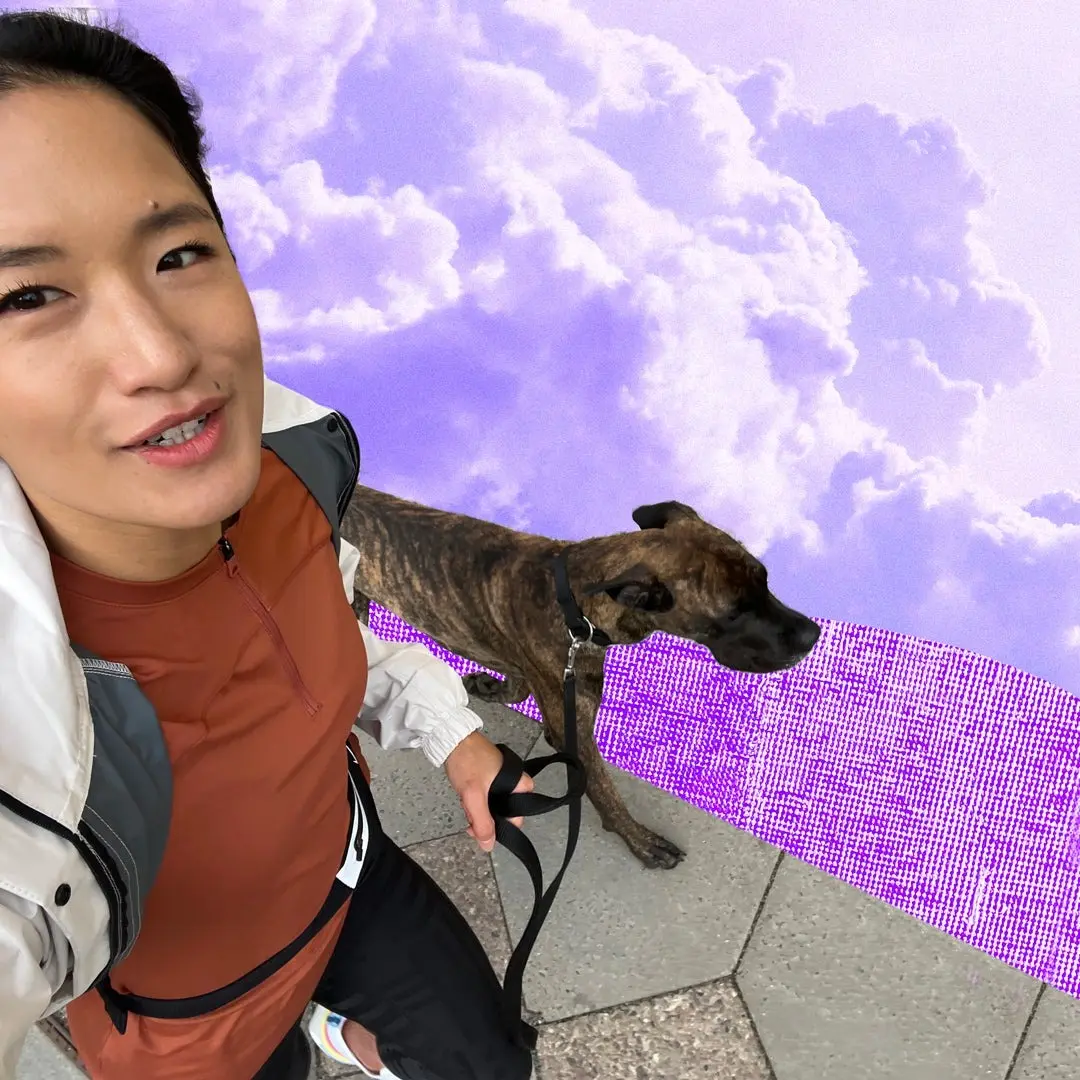
When fatigue sets in mid-run, Hong employs a unique self-regulation technique: she slows her pace and begins to sing. This not only forces her to regain control of her breathing and naturally lower her heart rate, but it also transforms a grueling training session into a moment of levity, often bringing smiles to the faces of passersby. To add companionship to her Monday route, Hong occasionally borrows a friend’s dog, Mia. The energetic canine provides a playful challenge—pushing the pace at the start, only for Hong’s superior endurance to take over in the final miles.
Tuesday: Cross-Training and Injury Prevention
Marathon training is rarely just about logging miles on the asphalt. Tuesday is dedicated entirely to cross-training, highlighting a holistic approach to athletic longevity. Hong swaps her running shoes for yoga mats and strength-training equipment, supplemented by targeted physiotherapy sessions.
Sports scientists and running coaches have long emphasized that building a robust muscular foundation is essential for preventing overuse injuries. By fortifying her core, glutes, and stabilizers, Hong ensures her body can absorb the immense physical impact of high-mileage weeks. This comprehensive conditioning allows her to step out of her comfort zone during intense runs without the fear of debilitating setbacks. Following a targeted workout, scheduled rest is treated as an equally vital component of the training protocol.
Wednesday: Social Integration and Recovery
Mid-week brings a deliberate pause in physical exertion. As a globetrotting flight attendant who spends significant time away from the German capital, Hong prioritizes her social circle whenever she is back on home turf.
Wednesday serves as a buffer day dedicated to cultural enrichment and interpersonal connection. Rather than cramming in a double-session, Hong visits local art exhibitions and catches up with friends. This mental decompression is recognized by athletic trainers as critical for lowering cortisol levels, which in turn accelerates physical recovery and prevents psychological burnout.
Thursday: Pushing Limits with Track Workouts
Thursday shatters the myth that marathon runners must adhere to joyless, predawn routines. Equipped with her preferred running footwear—specifically the Nike Invincible 3, known for its high-energy foam return and exceptional stability across varied terrain—Hong tackles her high-intensity track workout.
This session is designed to test speed thresholds and aerobic capacity. Hong embraces the competitive nature of track intervals, using them to gauge how long she can sustain a demanding pace. Despite the intensity of the workout, the emphasis remains on feeling secure and supported, proving that pushing physical boundaries does not necessitate running in discomfort.
Friday: Active Recovery and Cultural Immersion
The residual fatigue from Thursday’s rigorous track session requires a measured response. Friday is structured around active recovery, featuring gentle mobility work or a restorative yoga session.
Capitalizing on her limited downtime in Berlin, Hong spends her Friday afternoons exploring the city’s vibrant cultural landscape alongside friends. This intentional blending of athletic recovery and urban exploration reinforces her philosophy that training should seamlessly enhance, rather than restrict, one’s quality of life.
Saturday: The Ritualistic Long Run and Culinary Rewards
Saturday morning marks a staple of the endurance calendar: the long run along Berlin’s scenic Landwehrkanal. Transitioning across shifting surfaces—from urban asphalt to soft grass and muddy paths—Hong uses this time to either dive deep into an engaging podcast or simply absorb the ambient sounds of the city.
Observing urban life unfolds as she runs provides a meditative distraction from the physical effort. Upon completing her mileage, Hong treats herself to a well-earned reward: a specialty coffee and a artisanal snack from a local market stall in Kreuzberg, cementing a beloved weekly ritual.
Sunday: Community Mileage and Communal Feasts
The culmination of the weekly training cycle takes place on Sunday, courtesy of the Joy Run Collective, Hong’s local running community. Tackling an extended long-run through Berlin’s historic Tiergarten requires strategic preparation, particularly during colder months when layering is essential.
Running alongside peers fosters accountability and shared resilience. Once the final mile is logged, the group transitions seamlessly from athletic exertion to social celebration. Sunday afternoon features a communal brunch, highlighted this week by handmade dumplings—a culinary reward that Hong admits motivates her through the toughest miles of the week.
Supporting Context & Metrics: The Science of Sustainable Endurance
Hong’s trajectory from a self-described "non-runner" to a seasoned marathoner preparing for her seventh 42.195-kilometer race highlights broader shifts in modern fitness culture. Contemporary sports science increasingly validates the approach of balancing high-level performance with psychological comfort and social connectivity.
The Psychology of Consistency
According to behavioral psychology studies in athletic adherence, intrinsic motivation is heavily mediated by perceived enjoyment and community support. Rigid, punishing training regimes often yield high dropout rates, particularly among amateur athletes balancing demanding careers. By integrating elements of play—such as singing during runs, running with dogs, and tying milestones to culinary treats—Hong maintains high adherence rates without succumbing to overtraining syndrome.
Biomechanical Support and Footwear Technology
The physical demands of training for a marathon place immense strain on the musculoskeletal system, with a runner’s foot absorbing approximately two to three times their body weight with every stride. Hong’s preference for max-cushioning shoes like the Nike Invincible 3 aligns with modern footwear engineering trends designed to maximize energy return while mitigating impact shock. Cushioning technology reduces peak tibial accelerations, helping athletes like Hong maintain high training volumes across varied urban surfaces—from hard concrete to uneven park trails—without incurring stress fractures.
Future Outlook: The Evolution of the Everyday Athlete
As Hong sets her sights on her seventh marathon, her journey serves as a powerful case study for the future of endurance sports. The old-guard narrative of suffering in silence is steadily giving way to a more holistic, inclusive, and joyful ethos.
The integration of professional demands, rich social lives, artistic pursuits, and serious athletic training proves that modern runners do not need to fit a single, ascetic mold. For Hong, turning 30 marked the beginning of a physical peak defined not just by faster split times and lower resting heart rates, but by enhanced self-confidence, mental resilience, and a deep appreciation for the journey itself. As she laces up for her next milestone, her philosophy remains unshakeable: consistency and comfort are not mutually exclusive, and the path to the finish line should be enjoyed every step of the way.
Summary: Hong’s 3 Golden Rules for a Joyful Run
For athletes looking to inject more fun, sustainability, and mindfulness into their own running routines, Hong distills her philosophy into three foundational pillars:
- Prioritize Comfort and Support: Invest in reliable, high-cushion footwear that protects your joints and provides a secure, responsive ride across any terrain.
- Curate Your Soundtrack: Build a dynamic playlist—incorporating upbeat genres like disco, house, and techno—to revitalize your energy during low-motivation moments.
- Design Rewarding Routines: Combine scenic, engaging running routes with meaningful community connections and a delicious post-run treat to look forward to.