
Executive Overview
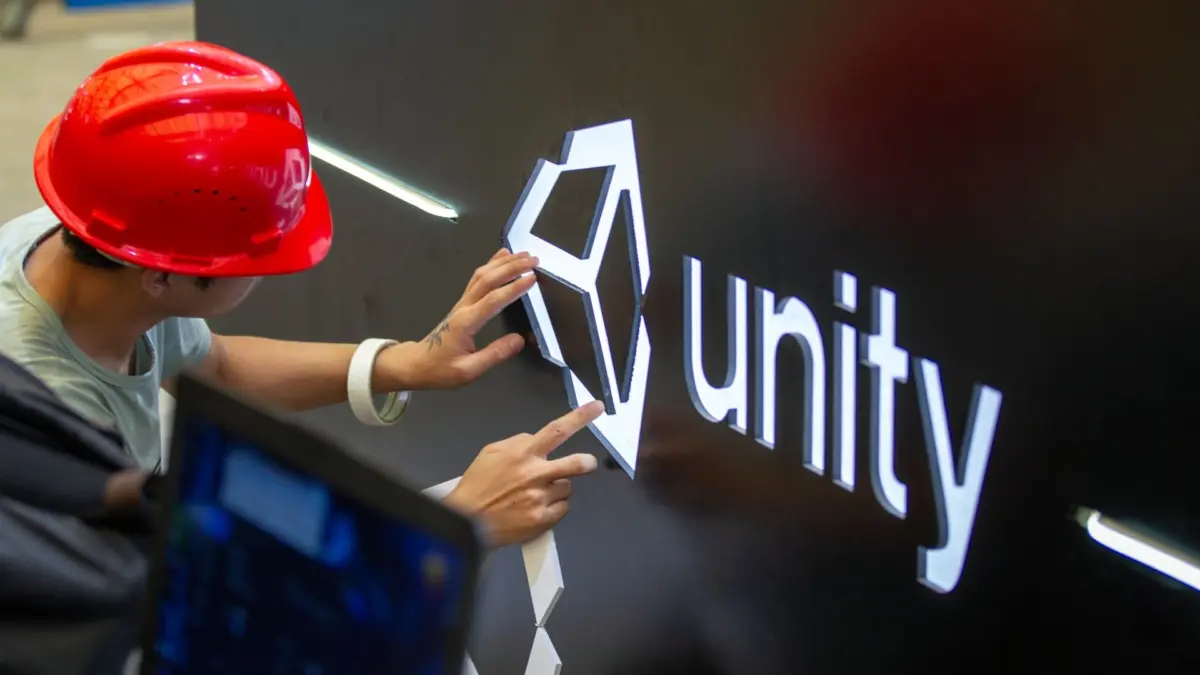
The global video game industry—already reeling from an unprecedented wave of corporate consolidation, restructuring, and macroeconomic headwinds—could be hurtling toward its most consequential acquisition yet. According to exclusive reports originating from Reuters, private equity powerhouse Silver Lake and Saudi Arabia’s increasingly influential Public Investment Fund (PIF) have held early-stage discussions regarding a potential multibillion-dollar buyout of Unity Software, the company behind the ubiquitous multiplatform game engine.
While preliminary acquisition talks have centered on a valuation hovering around the $25 billion mark, the landscape is shifting rapidly. This potential maneuver follows hard on the heels of another colossal transaction earlier this year: the $55 billion acquisition of Electronic Arts (EA) by a closely aligned consortium featuring the exact same key players—the PIF, Silver Lake, and Affinity Partners.
Should a deal for Unity materialize, it would place two of the most critical foundational pillars of modern interactive entertainment—one of the world’s largest video game publishers and one of the two dominant game engine ecosystems—under the financial purview of state-backed wealth funds and elite private equity firms. For developers, publishers, and industry observers alike, the prospect triggers both deep financial intrigue and profound anxiety regarding the future of independent tool development, workforce stability, and creative autonomy.
Detailed Chronology: From Boardroom Discussions to Market Realities
To understand the magnitude of the current talks between Silver Lake, the PIF, and Unity Software, one must examine the intricate web of existing financial relationships, historical milestones, and market recoveries that have shaped the company’s trajectory over the past decade.
The Foundation of Influence: Silver Lake’s Long Game
Silver Lake is no stranger to the inner workings of Unity. The private equity titan has maintained a substantial footprint within the software provider since 2017, when it poured roughly $400 million into the company, securing an approximate 8% ownership stake. Over the years, this relationship deepened beyond mere capital investment. Egon Durban, Co-CEO of Silver Lake, secured a pivotal seat on Unity’s Board of Directors.
This pre-existing board membership introduces complex corporate governance questions. As standard legal and ethical frameworks dictate in mergers and acquisitions, board members holding dual fiduciary responsibilities or clear conflicts of interest typically recuse themselves from formal deliberations concerning a company’s sale. How Unity’s leadership plans to navigate Durban’s deeply entrenched position will be a crucial hurdle if negotiations progress past the exploratory phase.
From Scandal to Stabilization: The Unity Redemption Arc
Unity’s path to a potential $25 billion buyout has been anything but smooth. Only a couple of years ago, the company found itself engulfed in one of the most severe public relations disasters in the history of software development: the disastrously handled "Runtime Fee" scandal. Announced in late 2023, the proposed fee structure sought to charge developers every time a game was installed past a certain threshold, triggering immediate mass outrage, boycotts, and a catastrophic erosion of trust within the indie and AAA development communities alike.
The fallout forced a swift and humiliating retreat from executive leadership, including the departure of former CEO John Riccitiello, followed by widespread internal restructuring.
However, under new leadership, Unity embarked on a methodical rebuilding campaign. The company focused heavily on bridging technological divides—recently demonstrating, for the first time, an Unreal Engine character running seamlessly within a Unity-rendered world, signaling a newfound era of interoperability and cross-platform flexibility.
More importantly, Unity discovered massive financial salvation not just in game engine licensing, but in monetization and artificial intelligence. The rapid, stellar growth of Unity’s AI-powered Vector advertising platform proved to be a transformative revenue driver. This technological pivot enabled Unity to post its very first quarterly profit on a GAAP (Generally Accepted Accounting Principles) basis since the company officially went public in September 2020—a milestone that fundamentally altered its market valuation and caught the predatory eye of aggressive private equity investors.
Supporting Context & Metrics: The Mega-Consolidation Wave
The potential acquisition of Unity does not occur in a vacuum. It is part of a broader, systemic transformation of the interactive entertainment sector, defined by staggering capital injections from sovereign wealth funds and an aggressive consolidation strategy by legacy financial institutions.
The PIF’s Dominance in Gaming
Saudi Arabia’s Public Investment Fund has methodically transformed itself into the most aggressive institutional investor in global gaming. Through its dedicated gaming arm, Savvy Games Group, and direct equity plays, the PIF has accumulated multi-billion-dollar stakes in industry giants such as Nintendo, Electronic Arts, Take-Two Interactive, Capcom, Nexon, and Embracer Group.
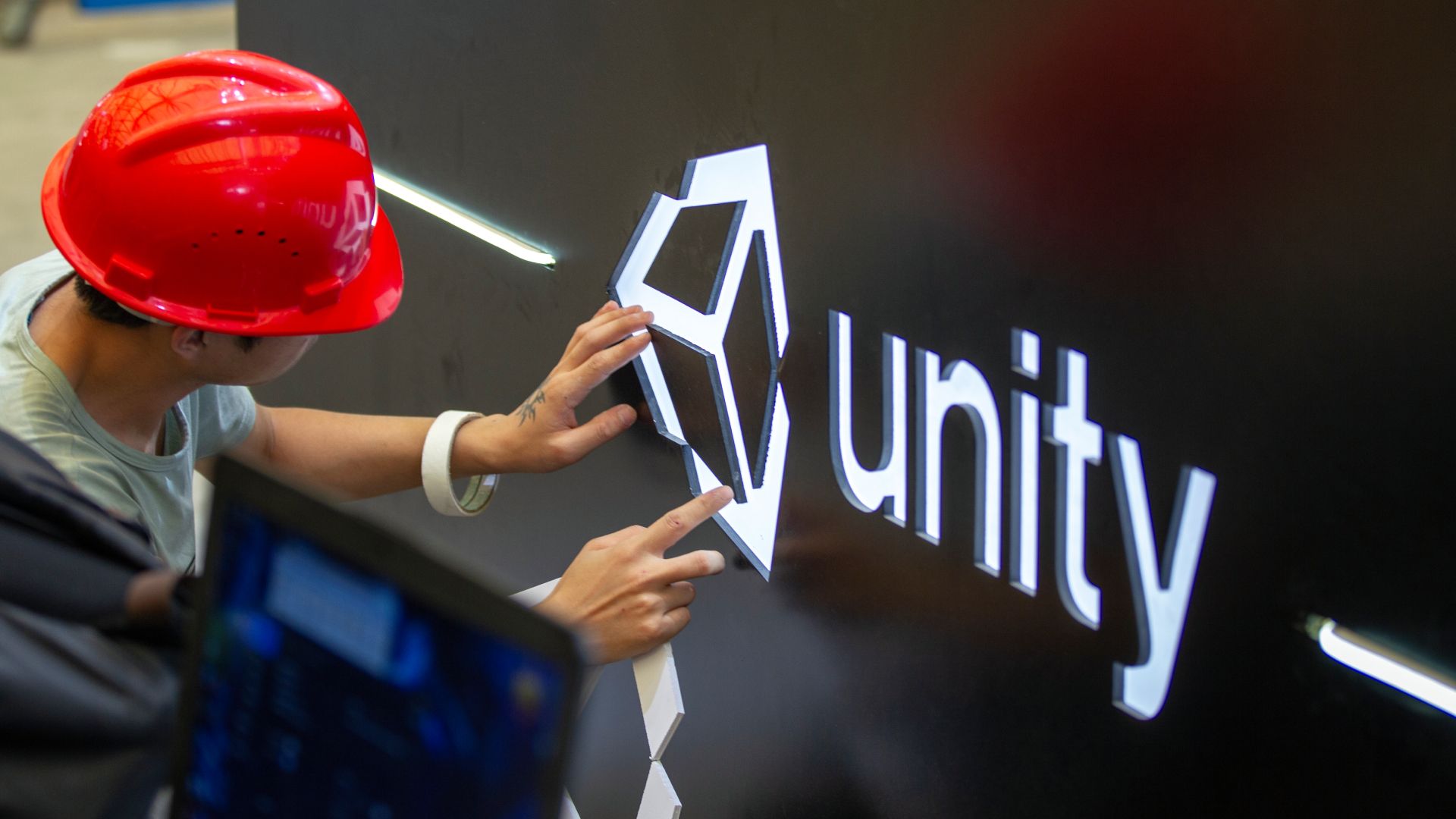
The crown jewel of these efforts thus far was the staggering $55 billion buyout of Electronic Arts earlier this year—a transaction engineered alongside Silver Lake and Affinity Partners. By utilizing sovereign wealth to buy up foundational assets, the PIF is aggressively diversifying Saudi Arabia’s oil-dependent economy while gaining direct, unassailable influence over the cultural and technological levers of the $200 billion global gaming market.
The Private Equity Playbook: Debt and Restructuring
While private equity firms like Silver Lake bring immense liquidity and strategic restructuring capabilities to the table, their involvement invariably sends shivers down the spines of the rank-and-file workforce.
The immediate aftermath of the EA acquisition serves as a grim cautionary tale. Following the closure of the $55 billion deal, the publisher was saddled with an estimated $18 billion in debt, which immediately triggered sweeping corporate restructuring, freezes on non-essential spending, and mass layoffs across multiple studios.
If Silver Lake and the PIF apply a similar leveraged buyout (LBO) playbook to Unity Software, the consequences for the developer ecosystem could be severe. Unity software powers a vast majority of mobile games, indie hits, and a substantial share of mid-tier PC and console titles. An ownership model driven primarily by debt servicing, aggressive cost-cutting, and margin expansion could jeopardize the stability of the engine’s ongoing development, customer support, and pricing predictability.
Official Statements and Industry Reactions
As news of the Reuters report broke across financial markets and tech blogs, official statements from the involved parties remained tightly guarded, adhering to strict corporate communication protocols regarding market rumors.
- Unity Software: Representatives for Unity declined to comment directly on the ongoing speculative talks, reiterating the company’s official corporate focus: "We remain steadfast in our commitment to empowering creators worldwide with the best-in-class tools, engine infrastructure, and monetization platforms necessary to bring their visions to life, while delivering long-term value to our shareholders."
- Silver Lake & PIF: Neither Silver Lake nor representatives for the Saudi Public Investment Fund have issued formal public clarifications regarding the $25 billion valuation reports or the timeline of exploratory meetings. However, financial analysts close to the matter suggest that discussions remain fluid and subject to macroeconomic volatility.
The Developer Perspective: Fear and Uncertainty
Within the broader game development community, the reaction has been overwhelmingly apprehensive. On forums, social media channels, and developer roundtables, the prevailing sentiment is one of dread.
Developers who spent months rebuilding trust in Unity following the Runtime Fee fiasco are understandably alarmed at the prospect of the engine falling into the hands of a consortium focused on rapid financial returns and debt leveraging. The primary concern centers on whether engine innovation, developer support, and fair pricing models will take a back seat to aggressive AI monetization and corporate cost-optimization.
Future Outlook: What a Unity Buyout Means for the Future of Play
If Silver Lake, Affinity Partners, and the Saudi PIF successfully consummate a deal for Unity Software, the repercussions will reshape the video game industry for decades to come.
1. The Triopoly of Infrastructure
With EA already under the consortium’s umbrella and Unity potentially joining the fold, a tiny handful of elite financial entities will control vast swathes of both the creative software that builds games and the publishing apparatus that distributes them. This level of vertical integration risks stifling healthy competition, potentially pricing independent developers out of premier technological ecosystems.
2. The Threat of Brain Drain
Tech companies are built entirely on the intellectual capital and creativity of their engineering talent. When corporate takeovers lead to aggressive restructuring, debt-loading, and cultural shifts, top-tier engineering talent frequently departs for independent startups or rival firms (such as Epic Games’ Unreal Engine division). If Unity suffers a major talent exodus, the technical reliability of the engine itself could face long-term degradation.
3. A Continuing Consolidation Crisis
Ultimately, the Unity talks underscore a sobering reality: the video game industry is rapidly speedrunning its way toward a corporate consolidation crisis. As venture capital dries up and public market pressures mount, independent mid-tier infrastructure providers find themselves dangerously vulnerable to sovereign wealth buyouts. Whether regulators will scrutinize these cross-border, multi-billion-dollar investments with the same rigor applied to traditional tech mergers remains one of the defining regulatory questions of the decade.
For now, developers worldwide continue to build on Unity, watching the boardrooms of New York, Riyadh, and San Francisco with bated breath, hoping that the engine powering their livelihoods does not become merely another chip in a high-stakes geopolitical financial game.