Executive Overview
For several consecutive years, Apple’s personal computer division enjoyed a reputation for increasing affordability and consumer value. Historically known for premium pricing models that often locked budget-conscious buyers out of the ecosystem, the tech giant shifted gears following the widespread adoption of its proprietary Apple Silicon architecture. Consumers benefited from more accessible starting price points, increased baseline memory and storage configurations per dollar spent, and the structural democratization of macOS hardware.
However, this golden age of hardware value faced a significant disruption earlier this year. Driven by an unrelenting global memory shortage that constrained supply chains and spiked the costs of foundational components, Apple was forced to implement drastic price increases across its entire portable lineup. The initial consumer sting was sharp, threatening to reverse years of hard-fought market share gains in the mid-tier and entry-level laptop segments.
Fortunately, the macroeconomic landscape and component supply pressures are beginning to show signs of stabilization. Retailers and Apple alike are introducing strategic pricing improvements, pulling costs down from their initial post-spike peaks. This recalibration comes at a fascinating time for the company’s hardware portfolio. With the introduction of the budget-oriented MacBook Neo, the mainstream entrenchment of the MacBook Air series, and the high-end debut of revamped MacBook Pro models featuring groundbreaking PROLED XDR displays and touchscreens, prospective buyers face an unprecedented array of choices. This report provides an exhaustive, authoritative analysis of the current MacBook market, exploring pricing trajectories, device trade-offs, and strategic purchasing recommendations.
Detailed Chronology: From the Value Peak to the Memory Crunch and Recovery
To understand the current state of Apple’s laptop pricing, one must trace the evolutionary arc of the company’s hardware strategy over the past half-decade.
Phase 1: The Apple Silicon Value Boom (2020–2025)
When Apple transitioned away from Intel processors to its proprietary M-series chips, the performance-per-watt metrics stunned the industry. Simultaneously, Apple began optimizing its supply chain to deliver better baseline configurations. The standard entry-level MacBook Air models increasingly featured usable storage spaces and memory configurations that eliminated the immediate necessity of expensive upgrades.
This era culminated in aggressive pricing structures that made Macs intensely competitive against Windows counterparts. The apex of this strategy was the conceptualization and subsequent launch of the MacBook Neo, an ultra-accessible entry point designed to capture the education market and budget-first consumers who previously relied on low-cost Chromebooks or secondhand machines.
Phase 2: The 2026 Memory Shortage and Price Surge
The momentum toward universal affordability hit a brick wall earlier this year. Global semiconductor markets experienced severe disruptions, highlighted by an acute shortage of high-density RAM and specialized storage controllers. As the cost of raw memory components skyrocketed, hardware manufacturers across the board adjusted their retail prices upward to protect profit margins.
Apple, renowned for its tight vertical integration and pricing discipline, could not entirely insulate itself from these pressures. The company instituted sudden, steep price hikes across the MacBook Air and MacBook Pro families. For consumers, the immediate aftermath meant paying a premium that erased much of the value built up during the early Apple Silicon generations.
Phase 3: Current Stabilization and Retail Rebound
As production lines adapt and secondary component suppliers ramp up capacity, the initial pricing panic has subsided. While prices have not completely reverted to their pre-shortage lows, authorized resellers, alongside Apple’s own refurbished storefronts, have begun deploying aggressive discounting strategies. Consumers who held off on purchasing during the height of the component crunch are now finding windows of opportunity to secure reliable discounts on both current-generation hardware and remaining stock of previous-generation performance machines.
Supporting Context & Metrics: Analyzing the Current MacBook Lineup
Evaluating Apple’s portable computers requires dissecting the specific trade-offs, pricing dynamics, and feature sets defining each tier of the current ecosystem.
The MacBook Air: The Mainstream Sweet Spot
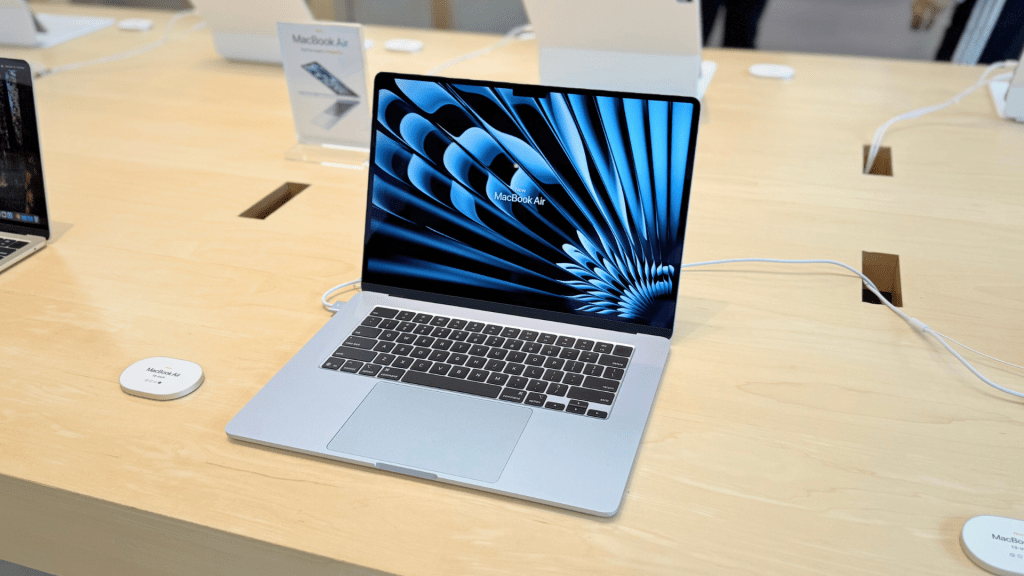
Up until the introduction of the MacBook Neo, the MacBook Air firmly anchored the entry point to Apple’s laptop lineup. Even with the Neo altering the entry-level calculus, the MacBook Air remains the definitive choice for the vast majority of mainstream consumers who desire an elevated computing experience without stepping into professional-tier pricing.
The MacBook Air lineup delivers a compelling bundle of hardware features:
- MagSafe Charging: Providing a secure, breakaway magnetic power connection that protects the device from accidental tugs.
- P3 Wide Color Displays: Offering vibrant, color-accurate panels that elevate media consumption and casual photo editing.
- Advanced Webcams with Center Stage: Ensuring crisp video calls that automatically keep the user framed during movement.
- Exceptional Battery Life: Maintaining all-day endurance that routinely outperforms Windows competitors in the same weight class.
Crucially, the MacBook Air is uniquely positioned by offering a 15-inch size variant, catering to users who demand screen real estate for multitasking. This contrasts with the MacBook Neo, which is strictly confined to a 13-inch form factor. Current retail channels feature fluctuating discounts across both the 13-inch and 15-inch MacBook Air configurations, making them prime targets for buyers seeking balanced performance and portability.
The MacBook Neo: Redefining Ultra-Affordability
Representing a radical shift in product philosophy, the MacBook Neo stands as Apple’s first dedicated budget MacBook, debuting at a disruptive $699 price point.
While compromises are naturally embedded in a machine at this price tier, the engineering execution is remarkably disciplined. Apple successfully preserved the core elements that define the macOS experience:

- Uncompromised Build Quality: The chassis retains the premium aluminum unibody feel characteristic of more expensive MacBooks, avoiding the cheap plastics common in budget Windows laptops.
- Display Integrity: Screen sharpness and color reproduction remain high, ensuring text rendering is crisp and eye strain is minimized during long reading or writing sessions.
To hit the $699 target, however, compromises were mandatory. The MacBook Neo relies on a scaled-down A18 Pro chip. While optimized brilliantly for casual productivity, web browsing, and media consumption, it is fundamentally distinct from the M-series architecture. Additionally, the device features a more restricted port selection and is capped at 8GB of memory.
Available in vibrant, youthful colorways such as Citrus, Blush, and Indigo, the MacBook Neo targets students and casual users. While direct retail discounts on brand-new units are currently scarce, Apple’s official refurbished store offers systematic price cuts of $100 to $120. Crucially, Apple’s refurbished units include the standard one-year warranty, new outer shells, fresh batteries, and a like-new user experience devoid of scuffs or degradation.
The MacBook Pro: Navigating the Transition to PROLED XDR and Touch
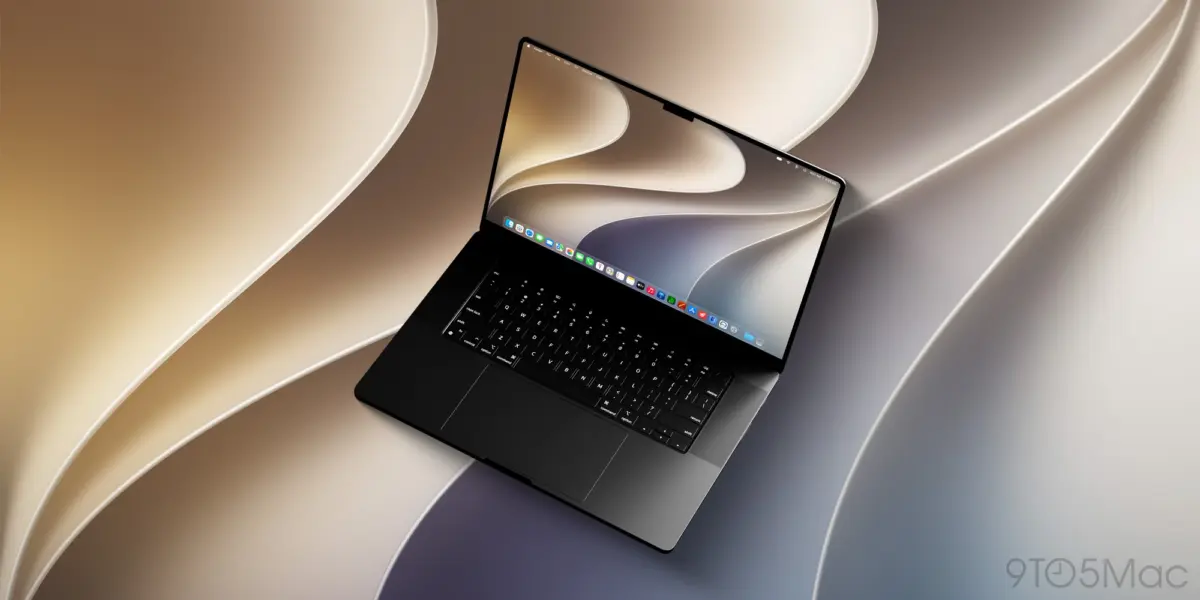
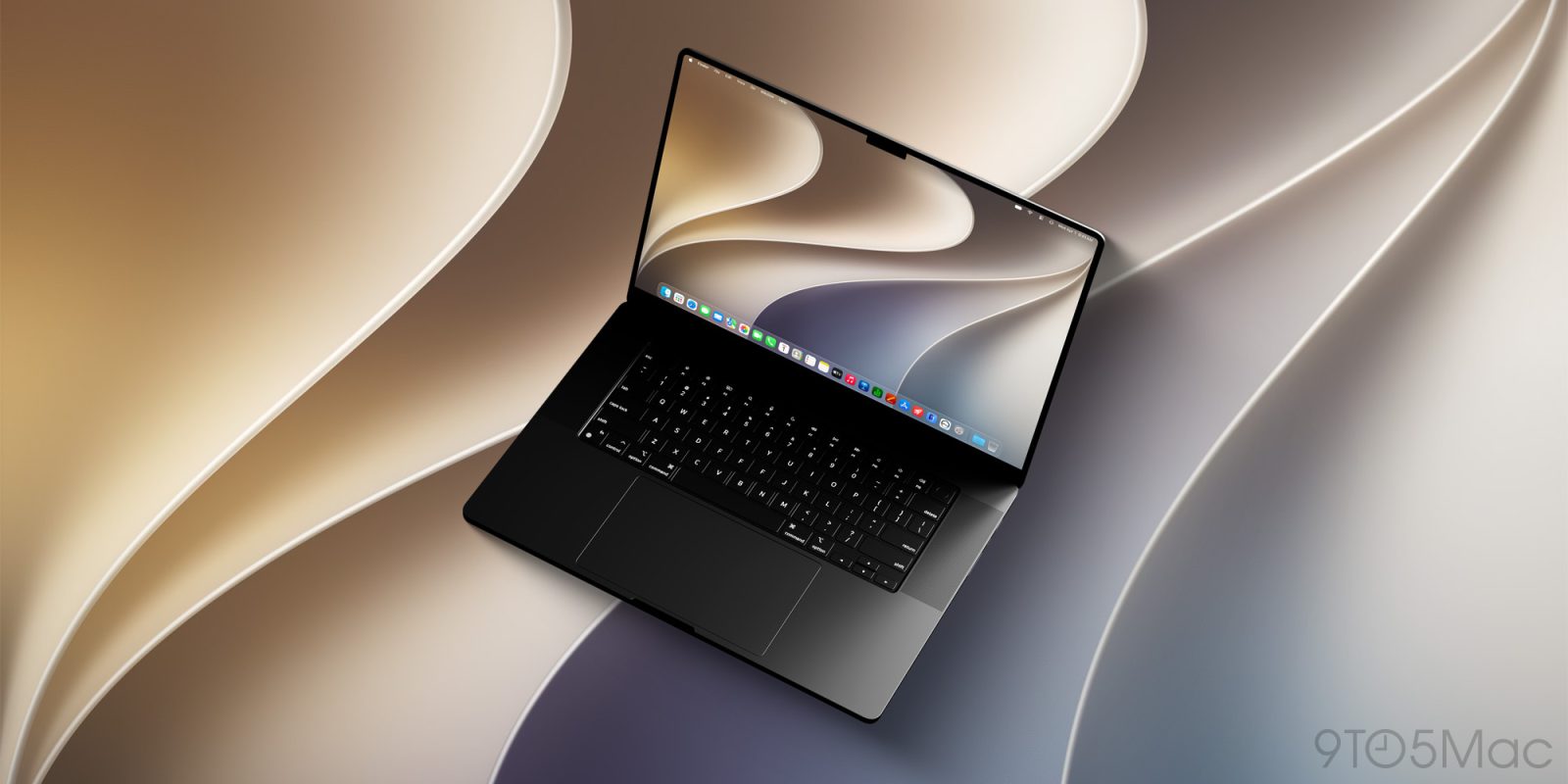
The high-end professional tier of Apple’s lineup is undergoing a massive structural evolution. Apple recently debuted revamped MacBook Pro models featuring cutting-edge PROLED XDR displays and fully integrated touchscreens—a long-awaited interface pivot for the Mac ecosystem.
These state-of-the-art machines command premium pricing. Simultaneously, the older miniLED-based M5 Pro and M5 Max models remain active in the retail pipeline, alongside a newly refreshed base model 14-inch MacBook Pro powered by the M6 chip.
For creative professionals, software engineers, and power users who do not require the bleeding-edge feature set of the newly introduced touch-enabled PROLED XDR systems, the persistence of the previous-generation M5 inventory represents a significant opportunity. Retailers are aggressively discounting remaining M5 Pro and M5 Max units to clear inventory space, offering substantial cash savings on machines that remain computational powerhouses capable of handling heavy video editing, 3D rendering, and complex compiling tasks with ease.
Official Statements and Industry Insights
Industry analysts tracking Apple’s supply chain adjustments note that the company’s pricing flexibility is directly tied to the gradual easing of the memory market. Speaking on condition of anonymity, supply chain logistics experts indicated that Apple’s strategic deployment of the MacBook Neo was a calculated counter-offensive designed to capture lower-tier educational and enterprise volume ahead of anticipated component cost corrections.
Furthermore, internal communications from retail partners suggest that consumer demand has proven remarkably resilient despite earlier price shocks. "The consumer appetite for Apple Silicon has not dampened," notes a major electronics retail buyer. "When temporary price cuts or certified refurbished options appear, inventory moves at an accelerated rate compared to equivalent Windows enterprise laptops."
Apple’s official stance on its refurbished ecosystem continues to emphasize sustainability and consumer trust. By ensuring that every certified refurbished MacBook undergoes rigorous testing, component replacement, and cosmetic restoration before receiving a full one-year factory warranty, Apple effectively mitigates the risk profile for buyers hesitant to purchase full-price hardware during periods of economic uncertainty.
Future Outlook: What to Expect in the Mac Ecosystem
As the technology sector looks toward the remainder of the decade, the trajectory of Apple’s laptop strategy appears clear:
- Further Hardware Integration of Touch and Advanced Displays: The successful rollout of PROLED XDR touchscreens on the MacBook Pro line signals that tactile interfaces will slowly permeate deeper into the product stack, though the MacBook Air and MacBook Neo will likely retain traditional clamshell designs for the near future to preserve cost efficiencies.
- Continued Memory Market Normalization: As new fabrication plants come online globally, the memory and storage shortages that triggered early-year price hikes are expected to ameliorate fully, potentially leading to baseline RAM bumps across the entire lineup by the next hardware refresh cycle.
- The Expansion of the Neo Sub-Brand: Given the strong initial reception of the MacBook Neo, industry observers anticipate that Apple may expand this philosophy into desktop hardware or iterate on the concept with expanded colorways and incremental processor upgrades, cementing its foothold in the sub-$800 personal computing market.
For consumers currently navigating this dynamic market, patience and strategic shopping remain the best tools. Whether opting for a discounted M5 Pro MacBook Pro, a versatile mainstream MacBook Air, or a budget-friendly refurbished MacBook Neo, buyers are finally finding relief from the pricing pressures of earlier this year, ensuring that the Apple ecosystem remains more accessible than it has been in recent memory.