Executive Overview
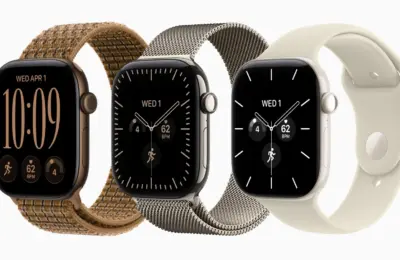
As tech enthusiasts and loyal consumers gear up for the official Friday release of the Apple Watch Series 12, early hardware breakdowns and official specification comparisons have revealed a surprising, unheralded hardware pivot. For over a decade, Apple’s industrial design philosophy has marched relentlessly toward a singular aesthetic horizon: shrinking display borders, maximizing screen-to-body ratios, and delivering an edge-to-edge visual experience that places 100 percent of the user’s focus on the content. From the iPhone and iPad to MacBooks and previous generations of the wearable itself, thinner bezels have consistently served as the gold standard of generational progress.
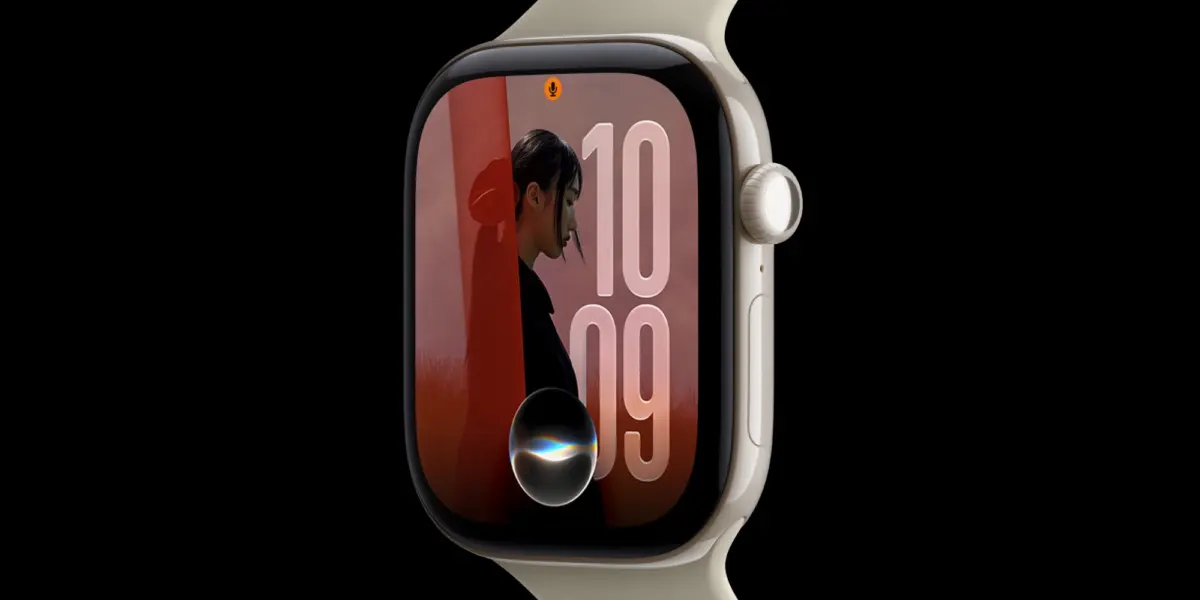
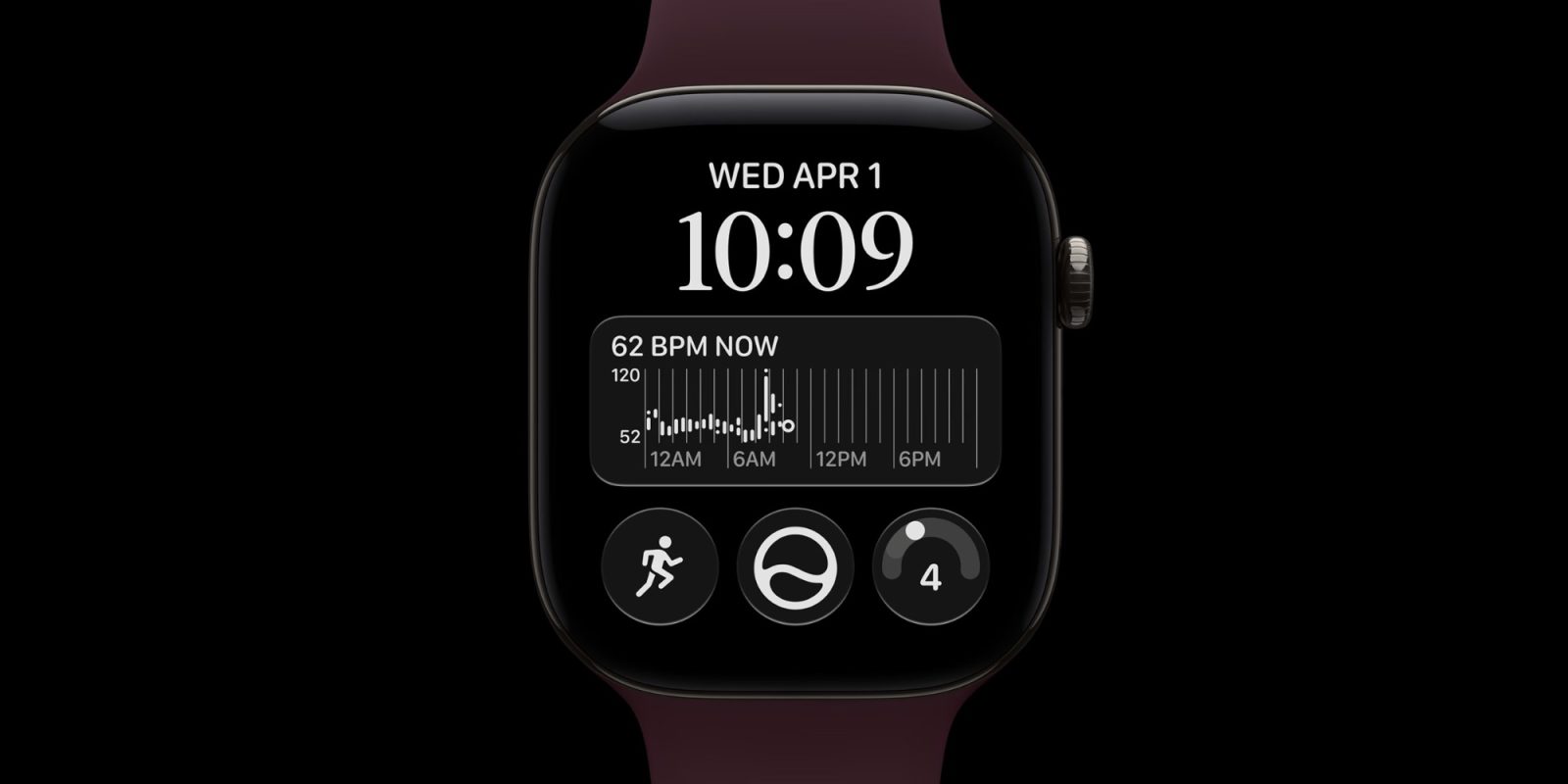
Yet, a rigorous analysis of the technical specifications for the Apple Watch Series 12 shatters this long-standing design trajectory. Without drawing explicit attention to the shift in its keynote or press releases, Apple has implemented a slightly larger case footprint that directly results in thicker, more noticeable display bezels compared to its immediate predecessors, the Series 11 and Series 10.
While this counter-intuitive design choice breaks a familiar evolutionary pattern, it is far from an arbitrary regression. Beneath the aluminum, titanium, and glass exterior lies a dense ecosystem of next-generation internal architectures—including the advanced S11 processing chip and a vastly expanded Health Sensing System. This comprehensive investigative report unpacks the architectural trade-offs behind the Apple Watch Series 12, evaluates the precise dimensional changes, explores what this means for upgraders, and analyzes the broader implications of engineering compromises in modern consumer electronics.
Detailed Chronology: The Evolution and Unexpected Reversal of Apple Watch Design
To fully grasp the significance of the Apple Watch Series 12 design change, one must first examine the historical trajectory of the product category since its debut in 2015.
The Shrinking Border Era (2015–2024)
When Apple first entered the wearable market, the original Apple Watch featured generous, rounded borders that framed a relatively small OLED panel. Over the subsequent iterations—most notably marked by the dramatic screen expansions of the Series 4 and later the Series 7—Apple systematically pushed the boundaries of the display glass closer to the outer edges of the chassis.
- Series 4 (2018): Introduced a completely redesigned chassis that curved more aggressively, expanding display sizes to 40mm and 44mm while subtly slimming the borders to create a noticeably more immersive interface.
- Series 7 (2021): Delivered the most radical leap in screen real estate up to that point. By shrinking the borders by 40% down to just 1.7mm and expanding the case sizes to 41mm and 45mm, Apple created an edge-to-edge illusion where watch faces seemed to melt seamlessly into the hardware curvature.
- Series 10 (2024): Continued this philosophy by introducing a significantly thinner overall chassis profile paired with wide-angle OLED screens that maximized readability from steep viewing angles, maintaining the illusion of a borderless wearable display.
The Series 12 Paradigm Shift (2026)
Entering the 2026 product cycle, rumors heavily pointed toward incremental refinements. However, when the Apple Watch Series 12 specs went live on Apple’s comparison portal ahead of Friday’s pre-order fulfillment, a subtle yet profound numerical discrepancy emerged.
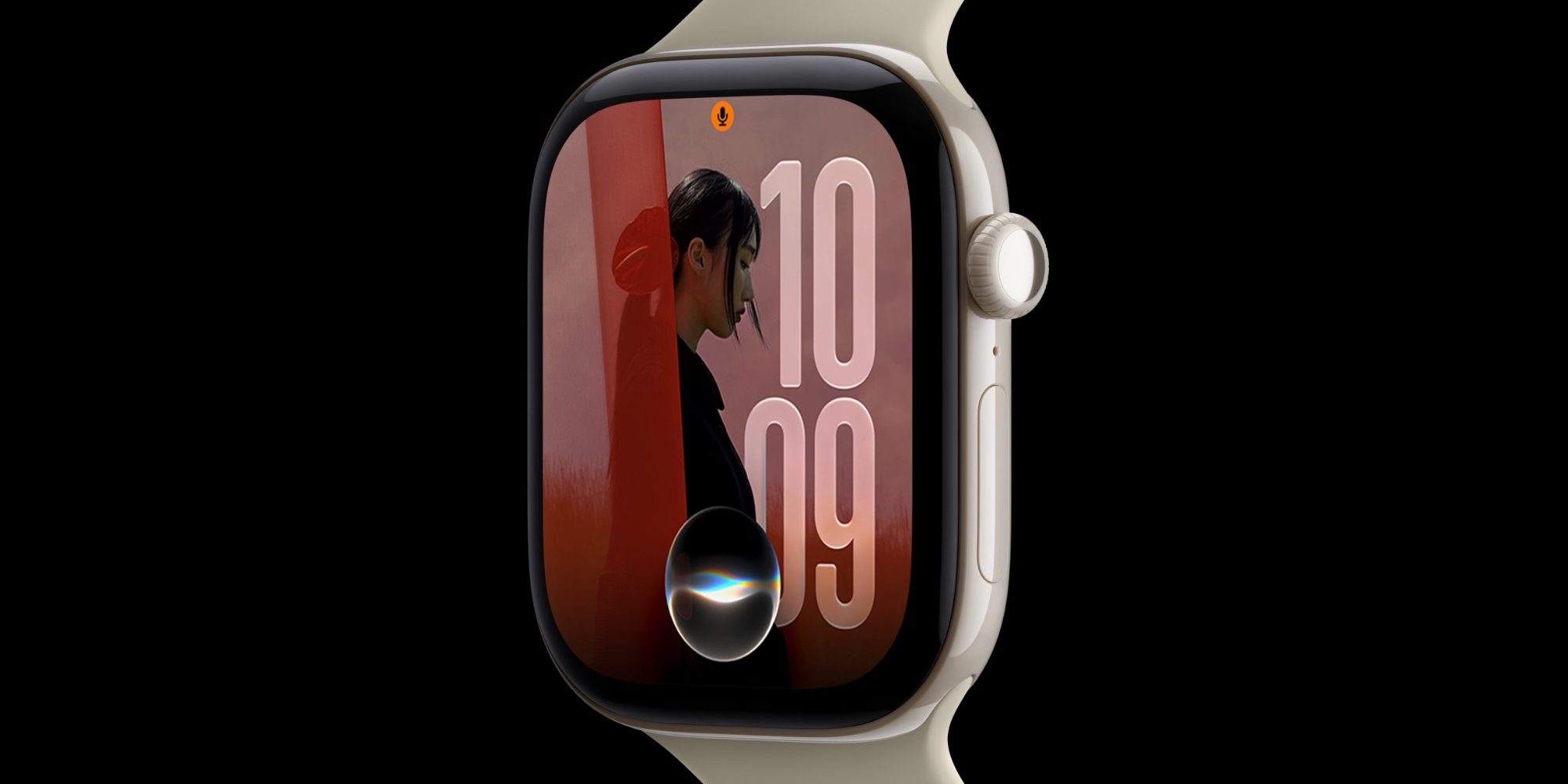
The device maintained the exact same screen diagonal and viewable area as the Series 10 and Series 11, yet the physical housing dimensions had grown wider. This microscopic widening of the case width—while the height remained identical—created an asymmetrical expansion of the perimeter framing. For the first time in recent memory, an Apple flagship display device took a deliberate step backward in screen-to-body ratio to accommodate interior engineering priorities.
Supporting Context & Metrics: Dimensional Breakdown and Engineering Realities
To understand how the Series 12 differs physically from its predecessors, we can examine the official hardware dimensions provided across recent generations.
Case Dimension Comparison Table
| Case Size Tier | Apple Watch Series 12 | Apple Watch Series 11 | Apple Watch Series 10 |
|---|---|---|---|
| Smaller Class (42mm equivalent) | 42mm height by 37mm width | 42mm height by 36mm width | 42mm height by 36mm width |
| Larger Class (46mm equivalent) | 46mm height by 40mm width | 46mm height by 39mm width | 46mm height by 39mm width |
Analyzing the Numbers
A surface-level glance at the marketing terminology might lead consumers to assume the Series 12 simply offers a larger display matching its larger frame. However, cross-referencing Apple’s official model comparison documentation reveals a fascinating truth: the viewable display area and panel resolution remain identical across the Series 10, Series 11, and Series 12.

- The Width Delta: Both the 42mm and 46mm variants of the Series 12 have grown by a full millimeter in width (moving from 36mm to 37mm in the smaller tier, and from 39mm to 40mm in the larger tier), while preserving the identical height measurements of their predecessors.
- The Resultant Bezel Expansion: Because the screen matrix inside the housing has not grown to occupy this extra millimeter of horizontal aluminum or titanium estate, the inactive black border surrounding the active OLED pixels has expanded.
Why Did Apple Do It? The Internal Revolution
Hardware design in modern consumer technology is an ongoing exercise in zero-sum compromise. Industrial designers fight for millimeter fractions to achieve aesthetic perfection, while hardware engineers fight for cubic millimeters to house advanced sensors, batteries, and silicon.
The Apple Watch Series 12 is packed with a sprawling suite of internal upgrades that justify this spatial reallocation:
- The S11 Processing Architecture: Delivering massive leaps in machine learning inference on-device, the S11 system-in-package (SiP) demands improved thermal dissipation channels and a larger footprint to prevent thermal throttling during intensive continuous health tracking.
- The New Health Sensing System: Industry insiders have noted that the integration of non-invasive biometric monitoring arrays requires dedicated internal routing, complex sensor pathways beneath the crystal backing, and structural reinforcement within the chassis.
- Structural Integrity: To maintain drop resistance and water-pressure ratings up to professional diving standards without thickening the overall vertical profile of the watch, engineers chose to subtly expand the lateral footprint. This distributes internal stress loads more evenly across the frame.
Official Statements and Industry Reception
Apple’s official marketing materials for the Series 12 focus overwhelmingly on user-facing capabilities: advanced AI integration via an upgraded on-device Siri, expanded biometric tracking metrics, and breakthrough battery life optimizations. The company opted not to highlight the millimeter-scale shift in bezel thickness in its keynote presentation—a standard communications strategy when a generational feature trade-off favors utility over pure aesthetic minimalism.

Independent hardware analysts and early reviewers testing the pre-order units have offered mixed, though pragmatic, perspectives:
- The Aesthetic Critique: Design purists argue that widening the bezels runs counter to the luxury aesthetic Apple has spent billions cultivating. For users accustomed to the virtually borderless illusions of the Series 10, the slightly wider black border on the Series 12 can initially register as a step backward, particularly when utilizing light-themed watch faces that highlight the screen perimeter.
- The Functional Pragmatism: Conversely, mainstream tech commentators note that watch bezels on a wrist-worn device serve a distinct protective and functional purpose. A slightly wider structural border provides enhanced impact absorption for the fragile OLED display edge when striking doorframes or gym equipment. Furthermore, the average consumer viewing the watch from a normal conversational distance will find the bezel difference virtually imperceptible without direct side-by-side comparison.
Future Outlook: What the Series 12 Means for the Future of Wearable Tech
The Apple Watch Series 12 serves as a fascinating case study in the maturation of consumer hardware design. For years, the industry operated under the assumption that every product category would follow an unbroken linear path toward zero bezels. However, as devices reach the absolute limits of physics—where sensors must become more capable, batteries more enduring, and chips more powerful within the strict confines of a human wrist—engineers are forced to make hard choices.
Key Takeaways for Upgraders
- Manage Visual Expectations: If you are upgrading directly from a Series 10 or Series 11, do not expect a sleeker, more borderless display. Be prepared for a slightly more framed aesthetic.
- Prioritize the Intrinsic Value: The true value proposition of the Series 12 lies beneath the glass. Enhanced health sensing capabilities, a faster S11 chip, and superior longevity vastly outweigh the minor millimeter adjustment in bezel width.
- A Shift in Industrial Philosophy: This pivot suggests that Apple is willing to temporarily sacrifice pure aesthetic minimalism when functional, structural, and health-monitoring innovations require physical breathing room inside the chassis.
As the Apple Watch Series 12 officially hits retail shelves and doorsteps this Friday, it will invite vigorous debate among tech enthusiasts. Whether this slight widening of bezels is viewed as an unfortunate compromise or a necessary evolution in wearable engineering, it underscores a fundamental truth of modern product design: utility and capability will always, eventually, challenge the boundaries of form.