Executive Overview
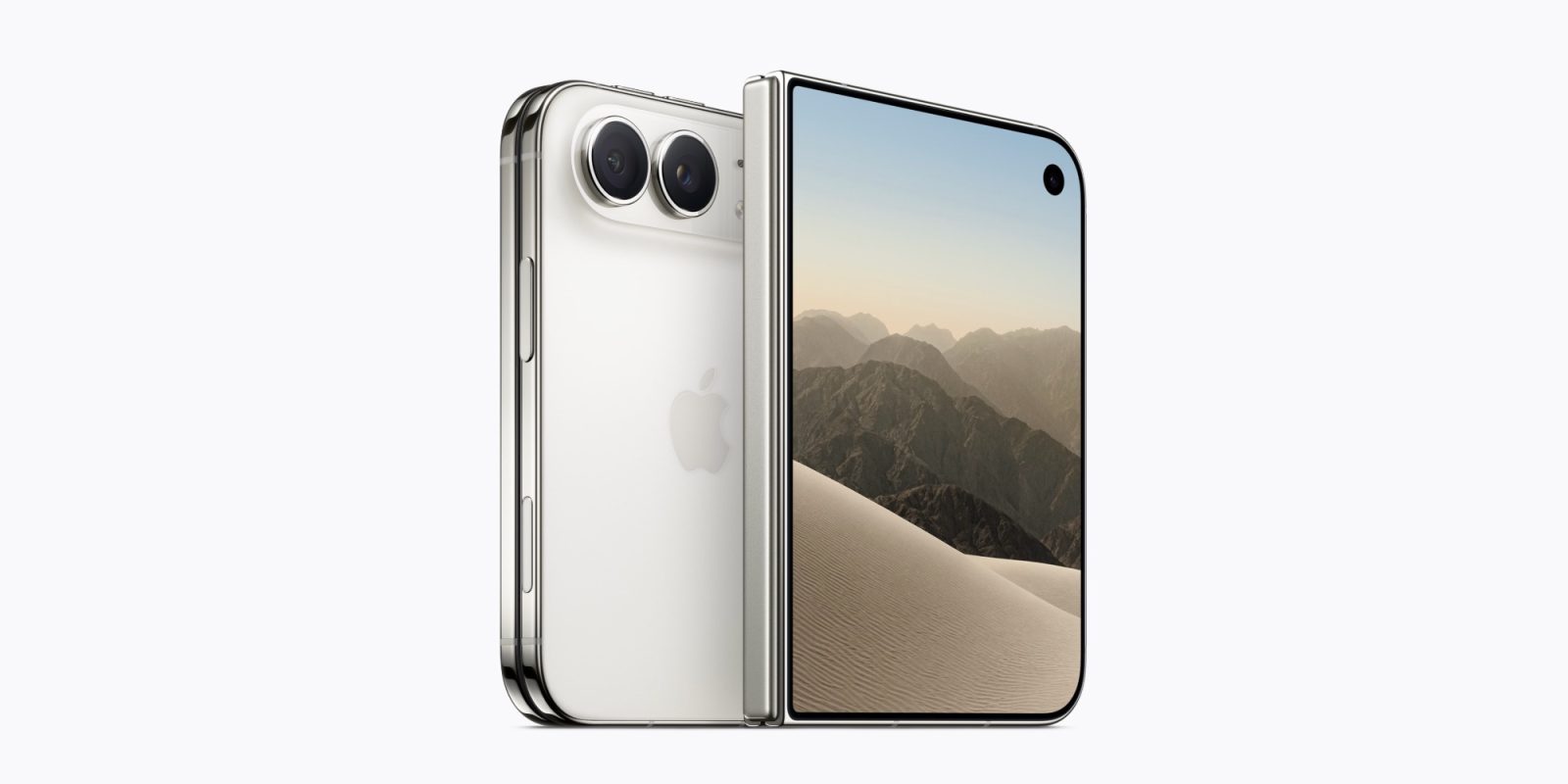
The retail launch of Apple’s heavily anticipated iPhone Duo is shaping up to be one of the most constrained hardware rollouts in recent company history. According to internal directives and reports surfacing from frontline retail workers, Apple has instructed its global store network to actively discourage customers from attempting walk-in purchases on launch day.
For consumers hoping to secure the new device by waiting in line outside a local Apple Store on release morning, the reality is stark: retail employees have been explicitly told to warn buyers that without a pre-order, their chances of securing an iPhone Duo are virtually nonexistent.
This dramatic step underscores a severe mismatch between skyrocketing consumer demand and tightly bottlenecked global supply chains. Apple previously characterized pre-order demand for the iPhone Duo as “extraordinary,” a polite corporate descriptor for a product launch that has aggressively slipped into a multi-month backorder status. With online delivery estimates already stretched deep into January, the launch-day inventory crunch has transformed what is typically a celebratory retail event into a test of patience, strategy, and resilience for Apple enthusiasts.
Detailed Chronology: From Rumor Mill to Retail Reality
The Build-Up and Production Constraints
Long before the official unveiling of the iPhone Duo, supply chain analysts and industry insiders flagged potential red flags regarding component manufacturing yields. The device—heralded as a major form-factor and functional leap for Apple’s smartphone lineup—rely on cutting-edge hardware integrations that notoriously present assembly challenges.
Despite these early warnings, consumer enthusiasm remained entirely unbridled. When the pre-order window officially swung open, Apple’s servers were immediately flooded with traffic. Within minutes, shipping dates began to slip from launch day to late November, then December, and finally, by the end of the first wave of orders, deep into January of the following year.
The Apple Store Internal Directive
The situation escalated from a digital backlog to a physical retail hurdle when MacRumors published an internal leak detailing instructions given to Apple Store employees. Rather than encouraging the time-honored tradition of overnight camping and morning queues, retail staff were briefed to manage expectations aggressively.
Internal guidance directed employees to inform customers checking for availability that launch-day stock allocations for walk-ins would likely be zero. Apple’s official website had previously dangled the prospect of checking back for localized store stock on launch day, but retail staff were instructed to dispel any notion that this was a guarantee. The objective: prevent widespread disappointment, unruly queues, and wasted early-morning commutes for hopeful buyers who neglected to secure a digital reservation weeks in advance.
Supporting Context & Metrics: Supply, Demand, and the Aftermarket
The Extended Backorder Crisis
The severity of the iPhone Duo shortage is best illustrated by its delivery timeline. As of mid-October, online orders placed through Apple’s primary channels are completely sold out through January. This means that anyone attempting to purchase the device directly from Apple after the initial pre-order window closed faces a wait time of nearly a quarter.
This unprecedented bottleneck has disrupted the traditional upgrade cycle for users whose older devices are failing, forcing them to look toward alternative ecosystems, refurbished older models, or third-party retailers.
The Rise of Scalping and Secondary Markets
Whenever high-demand consumer electronics face extreme supply constraints, opportunists inevitably step into the vacuum. Within hours of the pre-order inventory drying up, secondary marketplaces—including eBay, Facebook Marketplace, and localized classifieds—were flooded with listings for iPhone Duo pre-orders.
Scalpers have been demanding exorbitant markups, leveraging the desperation of early adopters willing to pay double or triple the retail value to secure the device on or near launch day. Apple’s ongoing efforts to curb automated bot purchases during the initial drop did little to stem the tide, leaving the aftermarket as the only immediate, albeit punishingly expensive, route for late-to-the-game buyers.
Alternative Purchasing Channels
For consumers refusing to wait until January who want to avoid the predatory pricing of scalpers, hope is not entirely lost. Industry tracking indicates that regional carrier partners (such as Verizon, AT&T, and T-Mobile) and major consumer electronics chains like Best Buy secured separate allocations of launch inventory.
While these channels are also experiencing high demand, savvy buyers have reported better luck securing launch-day or near-launch inventory through carrier upgrades and big-box retail reservations compared to Apple’s direct storefronts.
Official Statements and Industry Analysis
While Apple has maintained its standard tight-lipped corporate communication strategy regarding exact inventory numbers, the company’s actions speak volumes. In a brief statement following the opening weekend of pre-orders, Apple spokespeople acknowledged that consumer response to the iPhone Duo had been "extraordinary," surpassing internal forecasts.

Industry analysts point to a confluence of factors creating this perfect storm:
- Component Scarcity: Advanced structural materials and specialized internal architecture have limited the speed at which contract manufacturers like Foxconn can assemble the devices without compromising quality control standards.
- Aggressive Upgrade Incentive: The feature set packed into the iPhone Duo has triggered a massive super-cycle, encouraging users holding onto iPhone 13, 14, and even 15 models to finally take the plunge.
- Retail Strategy Shift: Apple’s proactive move to have employees warn away walk-in customers represents a modern shift in retail management. Rather than manufactured lines designed for free media publicity—which often lead to frustrated crowds and depleted inventory within the first ten minutes of opening—Apple is prioritizing customer experience and expectation management.
Future Outlook: What Buyers Should Do Next
As the dust settles on the chaotic launch window, prospective iPhone Duo buyers must adopt a strategic approach to acquiring the device without falling victim to inflated scalper prices.
1. Leverage Carrier and Third-Party Inventories
If you missed the initial Apple Store pre-order window, bypass Apple’s direct retail ecosystem for the time being. Regularly check stock levels with authorized national carriers and major electronics retailers like Best Buy, which frequently receive rolling shipments independent of Apple’s flagship retail locations.
2. Utilize Apple Store Inventory Trackers Wisely
While walk-in lines are discouraged, Apple’s daily online stock reservation system (often updated early in the morning) may occasionally flash localized pickup availability for units that were unclaimed or set aside from canceled orders. Checking the Apple Store app daily at opening time remains a viable, low-effort strategy for lucky buyers.
3. Consider the Timeline
With backorders stretching into January, buyers must evaluate whether the upgrades offered by the iPhone Duo justify a multi-month wait. For those whose current devices are still functional, exercising patience until supply chains stabilize in the early months of the new year will save both frustration and financial strain.
Ultimately, the iPhone Duo launch will be remembered not just for its impressive technological capabilities, but as a masterclass in modern supply chain limitations—proving once again that when Apple introduces a breakout device, demand will always outpace imagination.