By the Medical Examiner Desk
Executive Overview
Last week, the quiet Siberian city of Irkutsk became the epicenter of a chilling global media narrative: a 28-year-old laboratory worker at a state-run anti-plague research institute died suddenly under mysterious circumstances. Early, sensationalized reports claimed she perished after accidentally dropping a test tube filled with Yersinia pestis—the bacterium responsible for the historical Black Death. Regional politicians initially confirmed that plague was the cause of death before hastily walking back their statements, inserting the qualifier "possibly." Independent outlets soon reported that nearly 200 people had been thrust into quarantine, while federal Russian authorities flatly denied any plague involvement, attributing the young woman’s demise to "pneumonia of unknown etiology."
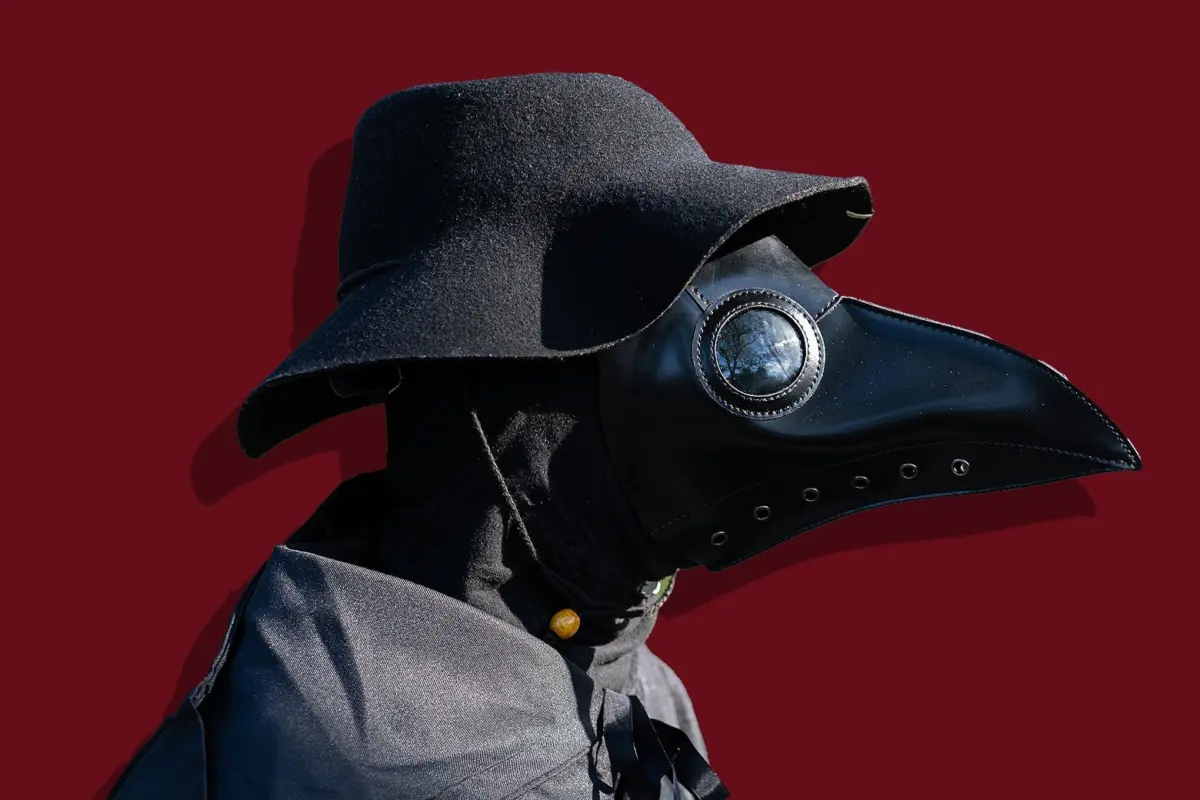
The global reaction was swift, visceral, and outsized. The mere mention of the word "plague" instantly conjures centuries-old phantoms: mass graves, medieval plague doctors in horrifying beak-like masks, and biblical retributions.
Yet, public health experts and epidemiologists emphasize a crucial reality: the true cause for concern regarding the Siberian incident has very little to do with the epidemiological threat of a global plague pandemic. From a biological standpoint, Yersinia pestis is exceptionally well-understood, highly treatable with common antibiotics, and poorly suited for rapid modern transmission compared to respiratory viruses like influenza or measles.
Instead, the real anxiety stems from geopolitical opacity, biosecurity protocols, and the unnerving legacy of state-sponsored biological research. For the general public, the risk of contracting plague from this event is virtually nonexistent. For intelligence analysts and biosecurity experts, however, the questions surrounding what was happening inside that Siberian research facility cut much deeper.
Detailed Chronology of the Siberian Incident
To understand how a localized medical emergency escalated into an international news cycle, it is necessary to examine the timeline of events as they unfolded in late 2026.
The Initial Event and Laboratory Context
The victim, identified in subsequent reports as Darya Shipilova, was a young researcher employed at a specialized anti-plague facility in Irkutsk—an institution ostensibly dedicated to monitoring, preventing, and researching dangerous bacterial pathogens. While initial social media reports and unverified local Telegram channels claimed Shipilova contracted the infection following a catastrophic containment breach or a dropped test tube, these accounts have not been officially substantiated.
Escalation and Quarantines
Within days of her death, the situation escalated rapidly behind closed doors. Local independent media outlets revealed that health authorities had placed nearly 200 contacts under medical observation and quarantine. This aggressive containment strategy is standard operating procedure for any suspected case of pneumonic plague—the most virulent form of the disease, which infects the lungs and can spread via respiratory droplets.
The Information Vacuum and Official Denials
As foreign media picked up the story, a stark contradiction emerged between local disclosures and federal declarations. An official in a neighboring region initially confirmed to reporters that the worker had indeed died of the plague, only to revise the statement hours later to add the word possibly.
Shortly thereafter, the World Health Organization (WHO) and Russian federal health authorities issued statements denying any signs of further infections. Moscow officially attributed Shipilova’s death to an undifferentiated form of pneumonia. This lack of transparency, combined with contradictory statements from various levels of government, immediately triggered red flags among international biosecurity watchdogs, transforming a tragic occupational accident into an international diplomatic and scientific mystery.
Supporting Context & Metrics: Deconstructing the "Plague" Myth
Why does the word "plague" carry such an unmatched psychological terror? To answer this, we must examine the biology of the disease alongside its cultural and historical branding.
The Science of Yersinia pestis
Plague is a zoonotic infection caused by the bacterium Yersinia pestis, which typically cycles between fleas and small mammalian hosts like rodents. There are three primary clinical manifestations depending on the site of infection:
- Bubonic Plague: The most common form, infecting the lymph nodes and causing painful swellings known as buboes.
- Septicemic Plague: Occurs when the bacteria multiply in the blood, leading to tissue death and organ failure.
- Pneumonic Plague: The rarest and most dangerous form, infecting the lungs. It is the only form of plague that can be spread directly from person to person via respiratory droplets.
Despite its fearsome reputation, plague is far from an unstoppable reaper in the modern era. According to the World Health Organization and the U.S. Centers for Disease Control and Prevention (CDC), there are roughly 1,000 to 2,000 cases of plague reported worldwide annually. In the United States, sporadic cases occur in rural western states—such as a tragic case in Arizona where a young man succumbed to pneumonic plague.
Crucially, modern medicine possesses a powerful countermeasure: antibiotics. Aminoglycosides, tetracyclines, and fluoroquinolones are exceptionally effective at treating plague if administered early. Furthermore, these same medications can be taken prophylactically by close contacts to prevent infection entirely. Compare this to seasonal influenza, which quietly kills tens of thousands of people in the United States alone every year, yet rarely generates panic.
A Century of Terrible Branding
The horror associated with the plague is deeply rooted in human history:
- The Black Death (14th Century): The bubonic plague decimated medieval Europe, wiping out an estimated one-third of the continent’s population—roughly 25 million people. The trauma of this catastrophe permanently scarred the collective human psyche.
- Iconography of Death: The haunting, beaked masks worn by 17th-century physicians filled with aromatic herbs to ward off "bad air" remain enduring symbols of mortality and helplessness in the face of disease.
- Biblical and Cultural Shorthand: Long before the discovery of bacteria, the Bible immortalized "plagues" as instruments of divine wrath and retribution. Over centuries, the word evolved into a general colloquialism for any catastrophic misfortune ("I avoided him like the plague").
- The COVID-19 Parallel: Our recent collective trauma with the COVID-19 pandemic—which claimed over 7 million lives worldwide, forcing humanity into lockdowns and reminiscent mask-wearing—has primed the global population to react with heightened anxiety to any hint of a novel outbreak.
Epidemiological Assessment: Why the Risk of a Pandemic Is Nil
From a public health standpoint, epidemiologists are unified in their assessment: the Irkutsk incident does not possess the epidemiological characteristics required to spark a global outbreak.
- Transmission Dynamics: Unlike measles—where a single infected individual can leave behind infectious viral particles in a room for up to two hours after departure—pneumonic plague requires relatively close, direct contact for transmission. Casual proximity in an open space is rarely sufficient for infection.
- Speed of Symptoms: Plague is aggressive and fast-acting. Symptoms emerge rapidly, often within 24 hours of exposure. This rapid onset drastically shortens the window during which an infected, asymptomatic individual can wander through public spaces unknowingly spreading the pathogen.
- Quarantine Efficacy: Diseases with long incubation periods—such as hantavirus, which can take up to 42 days to manifest symptoms—present nightmare scenarios for contact tracers. In contrast, the rapid onset of plague allows health authorities to identify, isolate, and treat exposed individuals before secondary transmission can occur.
As summarized by public health experts on platforms like Your Local Epidemiologist, the risk of the Siberian plague case spreading internationally—let alone reaching the United States—is "essentially nil."
Official Statements and the Biosecurity Dilemma
If the epidemiological risk to the general public is negligible, why are experts and intelligence agencies paying close attention? The answer lies not in epidemiology, but in biosecurity.
The Threat of Weaponization
Pneumonic plague has long been studied by military and defense establishments worldwide due to its high fatality rate if left untreated and its potential for aerosol dissemination. Both the CDC and historical defense programs have cataloged Yersinia pestis as a high-consequence pathogen with potential bioweapon applications.
Russia has a long, documented history of sophisticated biological weapons research dating back to the Soviet-era Biopreparat program, which covertly weaponized anthrax, smallpox, and plague. While Russia is a signatory to the 1972 Biological Weapons Convention, which prohibits the development and stockpiling of biological agents, international trust in Moscow’s compliance remains severely eroded.
Transparency Deficits
The primary source of anxiety among Western biosecurity experts is the profound lack of transparency from Russian state authorities. When a researcher dies under ambiguous circumstances inside a high-level containment facility, the immediate questions for intelligence analysts are structural:
- Were biosafety protocols compromised?
- Was the strain involved a wild-type pathogen, or was it genetically modified to exhibit antibiotic resistance?
- Are containment measures at Russian research institutes adequate to prevent accidental escapes?
While modern medical science maintains multiple classes of antibiotics capable of treating Yersinia pestis, the theoretical emergence of a bio-engineered, drug-resistant strain remains a valid subject for defense analysts.
Future Outlook: What the Public Should Know
As the dust settles on the initial wave of sensationalized headlines, it is vital to contextualize the Irkutsk incident with clarity and calm.
- Separate Public Health from Geopolitics: It is the professional obligation of biosecurity experts and intelligence officers to worry about state-level biosafety, laboratory leaks, and potential dual-use research. Their vigilance should not be mistaken for an imminent threat to the civilian populace.
- No Action Required for Citizens: Epidemiologists stress that there is nothing for the average person to do, prepare for, or fear regarding this specific event. Your personal risk of contracting the plague remains microscopically low.
- The Power of Modern Medicine: Unlike our medieval ancestors, we possess advanced surveillance systems, rapid diagnostic tools, and potent antibiotics capable of neutralizing Yersinia pestis swiftly and effectively.
The Russia "plague" case serves as a fascinating and sobering intersection of historical phantoms, modern virology, and geopolitical distrust. But when separated from sensationalism and political posturing, the story is clear: the virus of panic is currently traveling much faster than the bacteria ever could.