EXECUTIVE SUMMARY
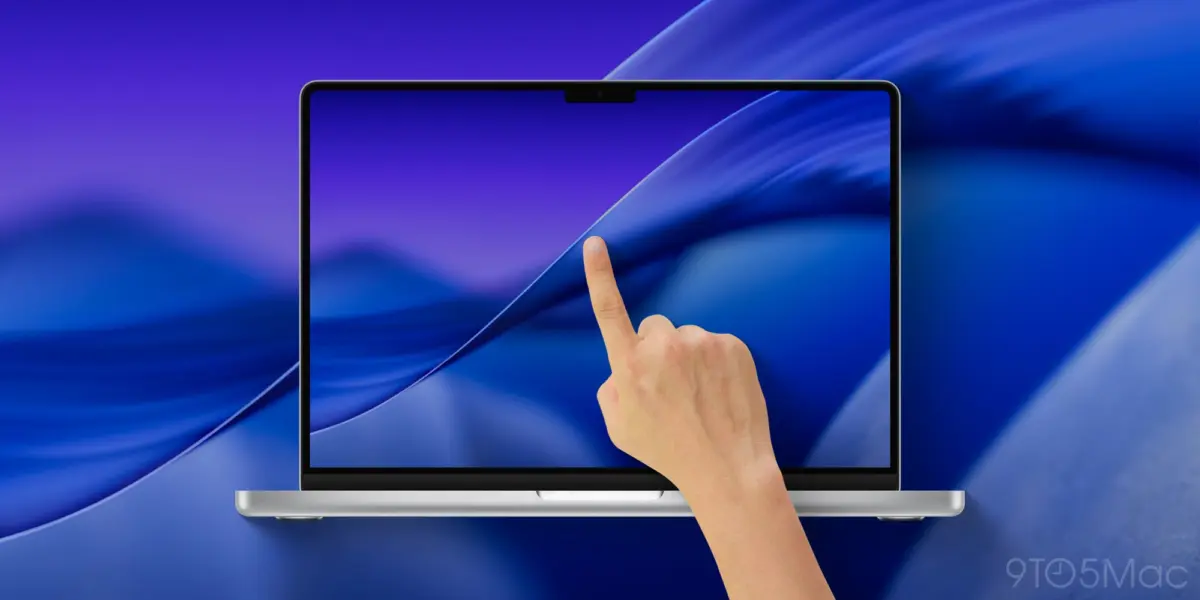
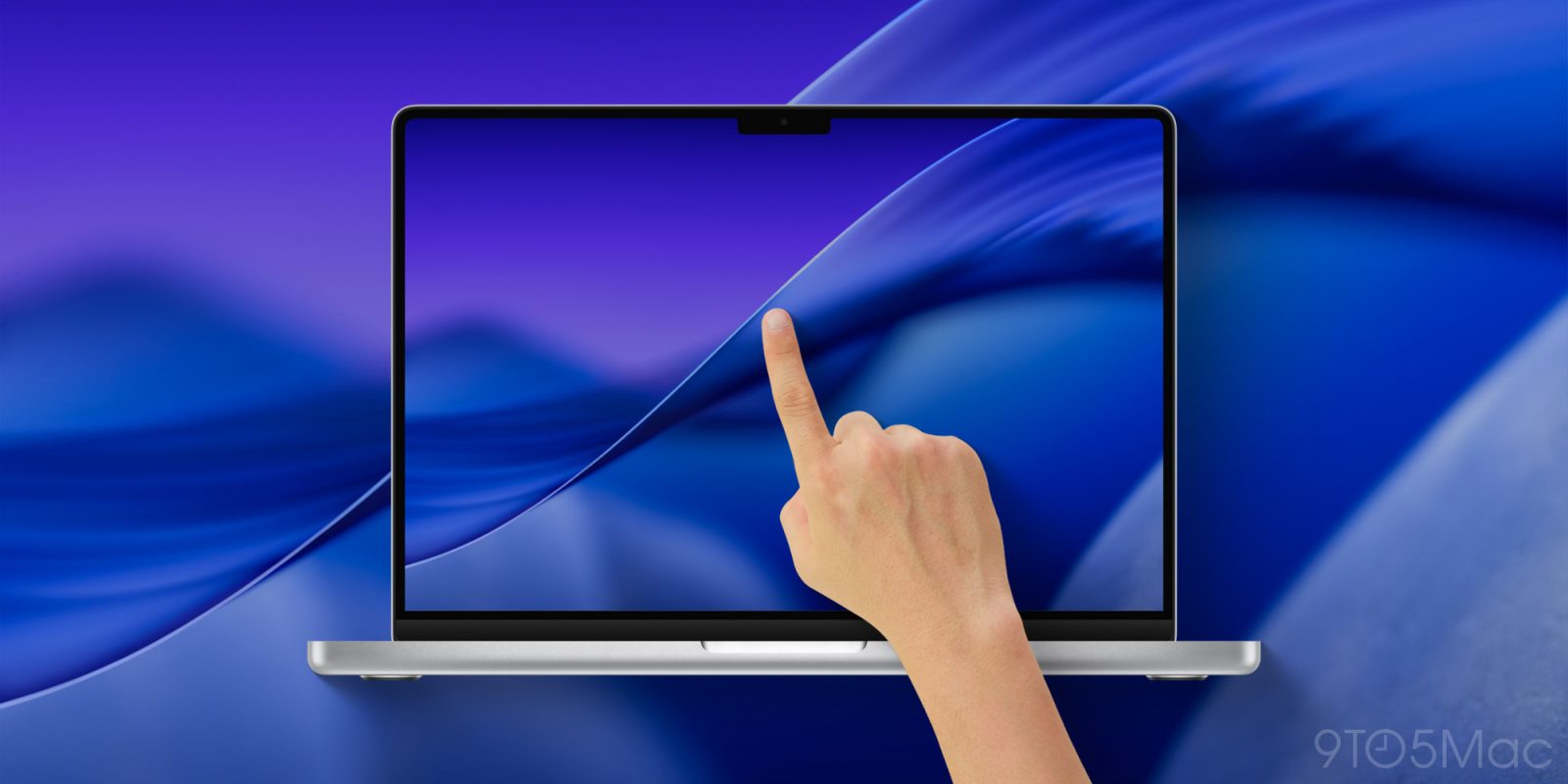
After more than a decade of steadfastly resisting touch-based interfaces on its Mac notebook lineup—famously dismissing the concept as ergonomically flawed for desktop environments—Apple is finally poised to cross the Rubicon. Industry insiders, supply chain reports, and subtle hints embedded within macOS software betas indicate that the Cupertino-based tech giant will launch its first-ever touchscreen MacBook Pro.
Expected to be officially announced as early as October 27, with retail availability slated for November 6, this upcoming release marks a seismic shift in Apple’s hardware philosophy. For years, the company maintained a rigid boundary between iOS/iPadOS touch devices and macOS productivity machines. This upcoming redesign obliterates that boundary, promising a fusion of traditional desktop power and multi-touch convenience.
Beyond the headline-grabbing touchscreen integration, the new MacBook Pro model is rumored to feature a stunning Tandem OLED display, a miniaturized Dynamic Island, a significantly lighter chassis, and specialized software optimizations designed to make macOS natively responsive to human fingers. While skipping the rumored M6-generation chips to streamline production for the upcoming M7 architecture, the initial wave of machines will rely on high-powered M5 Pro and M5 Max silicon.
This comprehensive report examines the specifications, software architecture, release timeline, and strategic implications of Apple’s most radical laptop redesign in a decade.
1. Executive Overview: Bridging the Divide Between Mac and iPad
For over a decade, Steve Jobs’ enduring design edict—that vertical touchscreens on laptops are ergonomically exhausting and unnatural for long-term use—served as Apple’s gospel. While Windows-based competitors flooded the market with 2-in-1 hybrids and touch-enabled clamshells, Apple doubled down on the trackpad, introducing innovations like the Force Touch trackpad and the short-lived Touch Bar.
Now, market pressures, shifting consumer expectations nurtured by generations of iPad users, and monumental leaps in display and operating system engineering have forced a paradigm shift.
The impending arrival of the touchscreen MacBook Pro is not merely a hardware refresh; it is a fundamental reconceptualization of how users interact with professional-grade computers. By combining the precision of macOS with intuitive touch controls, Apple is courting power users, creatives, and digital natives who have grown up seamlessly tapping, pinching, and swiping across glass surfaces.
Industry analysts tracking supply chain movements point to late October for the unveiling, with retail store overnight updates scheduled for November 5 hinting at an imminent November 6 launch window. This positions the device as the crown jewel in a staggering four-week onslaught of autumn hardware updates from Apple.
2. Detailed Chronology: From Rumor Mill to Reality
The journey toward a touchscreen Mac has been a slow-burn narrative within the tech journalism community, transitioning from wild speculation to an accepted industry consensus over the past 24 months.
The Breadcrumbs in macOS
Long before supply chain analysts leaked component orders, Apple’s own software development kit offered telling clues. Observers diving into early builds of macOS 27 discovered latent references to "Touch Support in Sidecar," enhanced pull-to-refresh protocols, and subtly enlarged menu bar items that defied conventional mouse-and-cursor optimization. While skeptics initially wrote these off as back-end code cleanup for tablet peripherals, subsequent developer betas painted an increasingly unmistakable picture: macOS was learning how to be touched.
Supply Chain Alignment
By mid-2025, reports from major financial institutions and Asia-based component manufacturers began to solidify. Sources within Samsung Display and LG Display confirmed that production lines were being retooled to manufacture large-format Tandem OLED panels tailored specifically for high-end notebook dimensions.
As prominent insiders—including Bloomberg’s well-connected tech correspondent Mark Gurman—corroborated these findings, the timeline crystallized. Apple’s internal roadmap pointed to an autumn 2026 launch window, bypassing earlier rumors of a delayed 2027 release to capitalize on surging demand for next-generation portable workstations.
3. Hardware Innovations: Tandem OLED, Dynamic Island, and Ergonomics
The forthcoming touchscreen MacBook Pro will not simply be a traditional chassis with a touch-sensitive glass layer slapped on top. Every major physical component—from the pixels illuminating the screen to the internal skeleton supporting the battery—has been re-engineered.
The Tandem OLED Revolution
At the heart of the device lies a state-of-the-art Tandem OLED display panel. Borrowing architecture from the acclaimed iPad Pro lineup, Tandem OLED technology stacks two distinct emission layers on top of one another.
This multi-layer approach yields extraordinary performance metrics:
- Perceptual Brightness: Capable of sustaining dramatically higher full-screen brightness levels than traditional single-layer OLED panels.
- True Blacks & Infinite Contrast: Pixel-level dimming ensures that dark scenes are pitch-black without bleeding or halo artifacts.
- Color Accuracy: Expanded color gamuts tailored for professional video editors, color graders, and digital artists working in HDR workflows.
Furthermore, engineers have addressed historical concerns regarding OLED burn-in by implementing advanced sub-pixel refreshing algorithms and hardware-level wear-leveling heuristics tailored specifically for stationary desktop UI elements like the dock and menu bar.
The Introduction of the Dynamic Island
In a move that further blurs the design language between Apple’s mobile and desktop ecosystems, the new MacBook Pro will incorporate a hardware-based Dynamic Island at the top of the display.
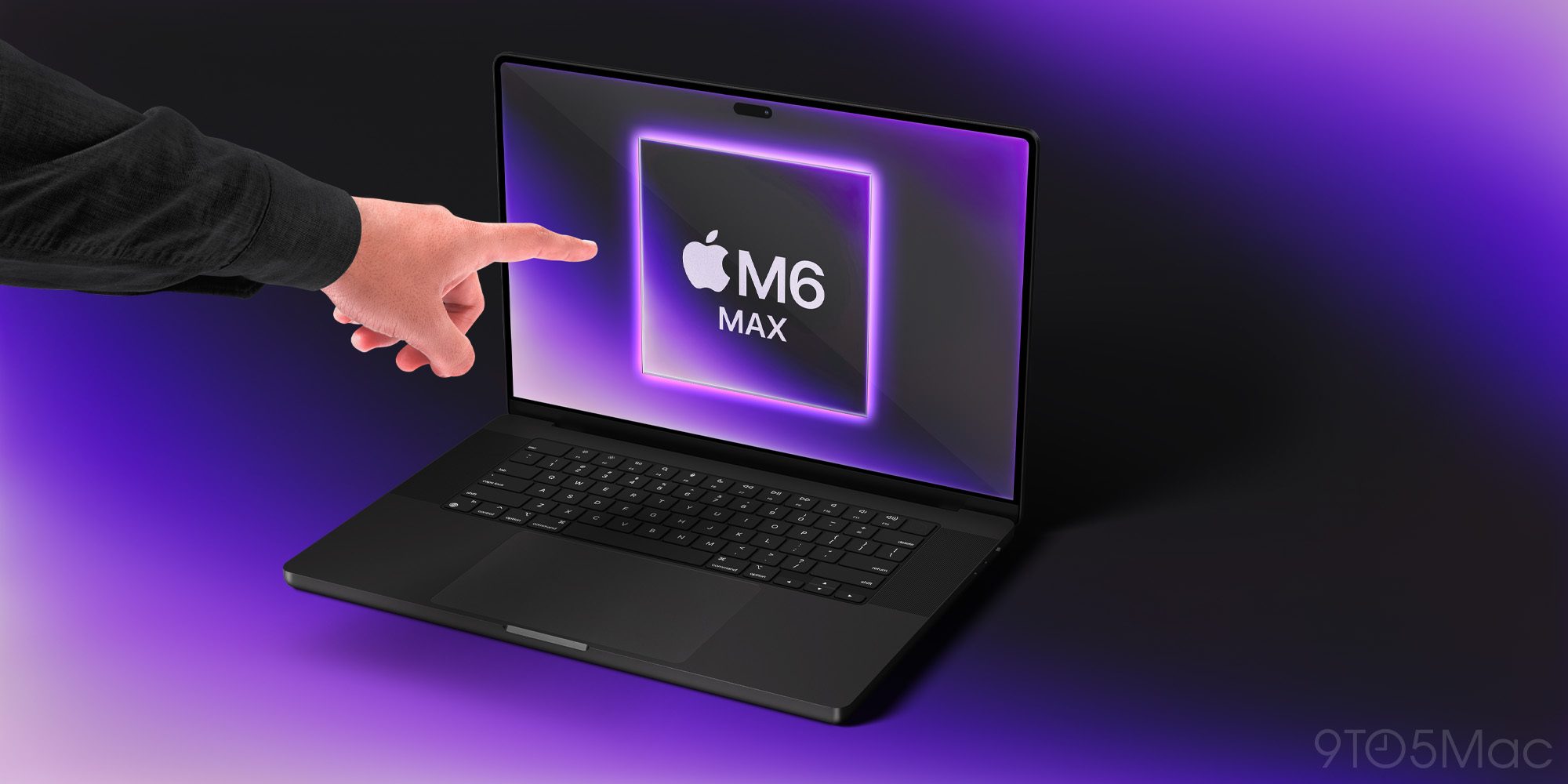
Slightly smaller and more compact than the iteration found on contemporary iPhone models, the MacBook Dynamic Island will serve as an interactive hub for system notifications, media playback controls, background app activities, and live system status updates. However, industry sources have confirmed one notable omission: despite housing the necessary spatial and camera sensors, the Dynamic Island on this initial run of MacBooks will not support Face ID login, meaning users will continue to rely on Touch ID embedded in the power button for biometric authentication.
A Significantly Lighter, Thinner Chassis
For years, professional MacBook Pro models have trended toward utilitarian, somewhat chunky designs to accommodate robust thermal architectures and large battery capacities. The new iteration promises a radical departure.
Through innovative internal component layout, high-density battery cell packaging, and advanced vapor-chamber cooling, Apple has managed to shave millimeters off the profile. Bloomberg’s reporting indicates that the machine will feel "significantly lighter" in the hand and backpack, addressing long-standing ergonomic complaints from mobile professionals without compromising sustained thermal performance under heavy workloads.
4. Software Optimizations: Rethinking macOS for the Human Finger
The greatest historical hurdle to a touchscreen laptop has never been hardware engineering—it has been software usability. Desktops operating systems are inherently optimized for the pinpoint accuracy of a cursor, featuring tiny click targets, complex multi-tier context menus, and dense layouts. Translating that to a finger tap typically results in frustration, accidental misclicks, and smudged glass.
Apple’s solution in macOS 27 represents a masterclass in adaptive user interface (UI) design. According to leaked architectural details outlined by Bloomberg:
- Contextual Touch Menus: When a user touches a button, slider, or UI control, the operating system instantly summons a localized, finger-friendly radial menu that blooms around the point of contact, offering expanded, easily targetable options for touch-based commands.
- Predictive Interface Scaling: The software dynamically analyzes user interaction patterns. If the system detects finger-based input rather than cursor navigation, touch targets subtly expand across active application windows.
- The Enhanced Menu Bar: Tapping any item within the top macOS menu bar triggers an immediate visual expansion, enlarging the dropdown options to comfortably accommodate human fingertip precision.
These adaptive layers ensure that legacy pro apps—such as Final Cut Pro, Logic Pro, and Xcode—remain fully functional with traditional peripherals while offering unprecedented tactile shortcuts for creators working in the field.
5. Under the Hood: The M5 Pro and M5 Max Strategy
Performance dictates the "Pro" moniker, and Apple’s silicon strategy for this launch reflects a calculated pivot in its chip development pipeline.
Initial industry speculation suggested that the redesigned MacBook Pro might debut alongside Apple’s next-generation 2nm M6 Pro and M6 Max processors. However, supply chain adjustments indicate that Apple has opted to accelerate its timeline toward the more ambitious M7 architecture. Consequently, the company is skipping the commercial release of an M6 Pro/Max line for these specific machines.
Instead, the launch configuration of the touchscreen MacBook Pro will be powered by refined iterations of the existing M5 Pro and M5 Max chips. Built on industry-leading process nodes, these processors deliver blistering multi-threaded performance, enhanced hardware-accelerated ray tracing, and vast unified memory bandwidth.

Interestingly, supply chain analysts note that Apple will not offer a base-tier consumer model of this specific touchscreen redesign at launch. Standard, entry-level users desiring the new form factor will likely have to wait until the spring rollout of an M7-powered base MacBook Pro.
6. Release Timeline and Market Impact
The logistical choreography surrounding Apple’s autumn hardware schedule points directly to an early November retail disruption.
According to insider reports from reliable supply newsletters, Apple is scheduling an extensive internal retail "reset" on the evening of Thursday, November 5, extending into the morning of Friday, November 6. This overnight overhaul of retail floor displays involves deploying new promotional signage, adjusting display tables, and unboxing unreleased inventory.
This carefully orchestrated rollout fits snugly into an unprecedented four-week sprint of continuous product announcements from Apple, following updates to the iPhone accessory ecosystem, HomePod mini 2, HomeView ecosystem, and the next-generation Apple TV 4K.
Market Implications
The launch of a touchscreen MacBook Pro represents a watershed moment for the personal computing industry. By validating touch on a professional-grade laptop, Apple is effectively ending the ideological war between tablet-style mobility and traditional desktop productivity.
Competitors in the Windows ecosystem, such as Microsoft with its Surface lineup and high-end OEMs like Dell and HP, will find themselves facing a renewed, highly optimized competitor that marries elite silicon efficiency with sophisticated glass-interaction software.
7. Future Outlook: Where the Mac Goes From Here
As Apple prepares to unveil the most radical MacBook redesign in over a decade, the tech industry stands on the precipice of a new era.
While purists may initially view touch support on a laptop as an unnecessary novelty, the integration of Tandem OLED displays, adaptive macOS touch menus, and featherlight chassis engineering suggests a much deeper vision. Apple is not merely adding a feature to appease a vocal minority; it is building the foundational architecture for the next ten years of personal computing.
As we look toward the official announcements later this autumn, the burning question is no longer if a touchscreen Mac can succeed, but how quickly developers will adapt their software ecosystems to take full advantage of a world where macOS bends to the touch of a finger.