Executive Overview
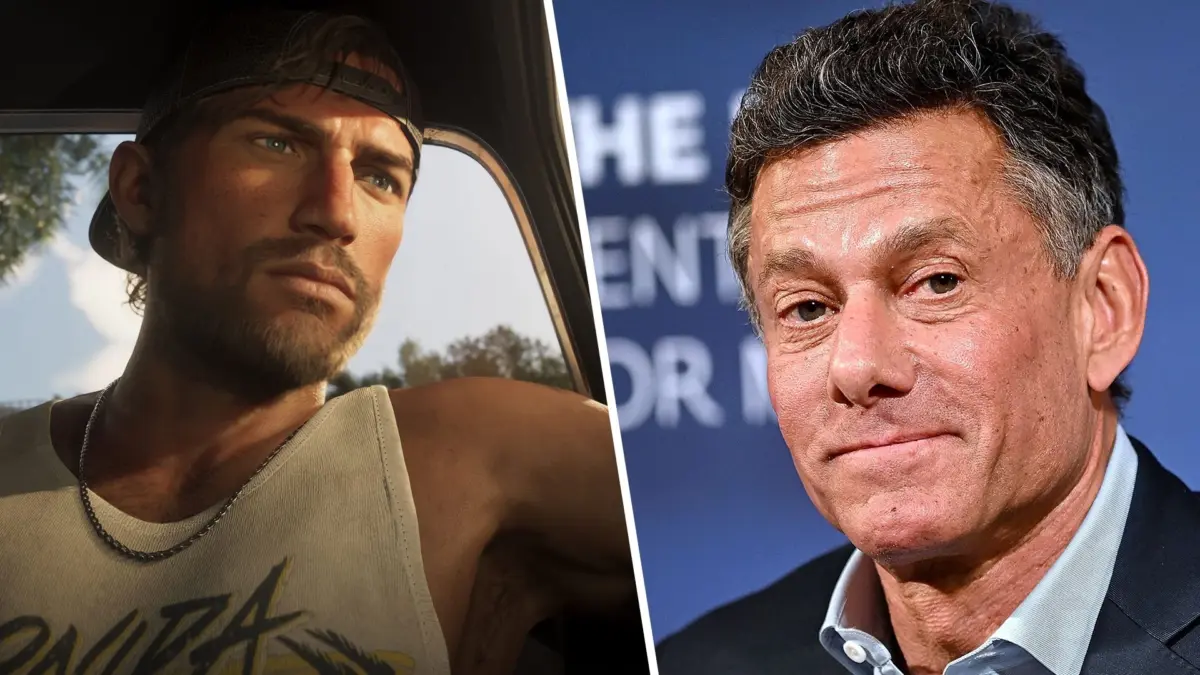
As the global gaming community stands on the precipice of what is projected to be the most lucrative entertainment launch in history, leadership at Take-Two Interactive remains steadfast in its philosophy regarding platform parity. During a high-stakes investor earnings call, Take-Two CEO Strauss Zelnick downplayed the notion that PC and console players experience the Grand Theft Auto franchise in fundamentally different ways.
Addressing inquiries from financial analysts regarding technical divergences, modding ecosystems, and community-driven roleplaying (RP) servers, Zelnick maintained that the core experiences delivered across high-end personal computers and modern consoles remain roughly equivalent. His remarks come at a critical juncture for the publisher, as it braces for the commercial tidal wave of Grand Theft Auto 6—a title whose initial rollout has been confirmed strictly for current-generation consoles, leaving the PC community waiting in the wings.
While Wall Street continues to scrutinize the distinct commercial and cultural lifecycles that PC ecosystems foster—particularly the longevity injected by user-generated modifications and dedicated RP servers—Take-Two’s leadership continues to prioritize its overarching mission: crafting world-class interactive entertainment, trusting that monetization and ecosystem retention will organically follow. This report examines the implications of Zelnick’s recent statements, the widening chasm between console rollouts and PC adaptations, the evolving business of multiplayer modding, and what the future holds for the Grand Theft Auto franchise as it expands into Vice City and beyond.
Detailed Chronology: The Dialogue Between Wall Street and Publisher Leadership
The discourse surrounding platform divides and the future of the Grand Theft Auto franchise reached a notable inflection point during Take-Two Interactive’s most recent quarterly earnings and investor Q&A session. For years, financial analysts and industry observers have tracked the divergent paths taken by players on closed console hardware versus open PC architectures.
The exchange began when Martin Yang, an analyst at Oppenheimer & Co, pressed Zelnick on the unique behaviors exhibited by the PC player base. Yang highlighted the massive popularity of PC-exclusive roleplaying options, custom servers, and community-led content generation that have helped sustain Grand Theft Auto 5 through multiple hardware generations. Yang explicitly asked whether Take-Two intended to bridge the experiential gap between console and PC platforms moving forward, or if the publisher viewed the two markets as structurally independent entities governed by their own unique technical capabilities.
Zelnick’s response sought to neutralize the premise of the question. While acknowledging historical precedents—such as strategy franchises like Civilization that originated on PC before finding success on consoles—he asserted that modern hardware convergence has largely blurred the lines. According to the Take-Two chief executive, the baseline capabilities of contemporary PCs and modern consoles are no longer materially distinct, leading to roughly equivalent vanilla experiences for the average consumer.
This exchange underscores a long-standing tension within the upper echelons of game publishing. On one hand, executives must manage investor expectations by projecting uniform, highly polished experiences across all dominant hardware ecosystems. On the other hand, the community-driven anomalies—most notably the GTA Online roleplay phenomenon—have fundamentally reshaped how millions of players engage with the intellectual property on a daily basis, bypassing traditional single-player campaigns and standard multiplayer modes entirely.
Supporting Context & Metrics: The Modding Economy and Platform Longevity
To fully understand why analysts like Martin Yang are fixated on the PC ecosystem, one must examine the staggering longevity and economic footprint of Grand Theft Auto 5, which has remained a fixture of global video game sales charts for well over a decade. Released initially in 2013 for the PlayStation 3 and Xbox 360, the title has spanned three distinct console generations and arrived on PC in 2015, accumulating well over 190 million copies sold worldwide.
A critical driver of this enduring relevance—particularly on PC—has been the modding community. While console platforms maintain strict digital sandboxes to protect proprietary code, prevent piracy, and regulate multiplayer economies, the PC platform’s open architecture has allowed developers and hobbyists to fundamentally rebuild the game.
Recognizing both the threat and the immense commercial potential of this underground ecosystem, Take-Two Interactive made a decisive strategic pivot in 2023 by officially acquiring FiveM and RedM, the premier multiplayer modification frameworks for Grand Theft Auto V and Red Dead Redemption 2. These frameworks allowed thousands of players to bypass Rockstar’s official matchmaking servers to host custom, heavily moderated roleplay servers governed by unique rules, custom assets, and community-driven storytelling.
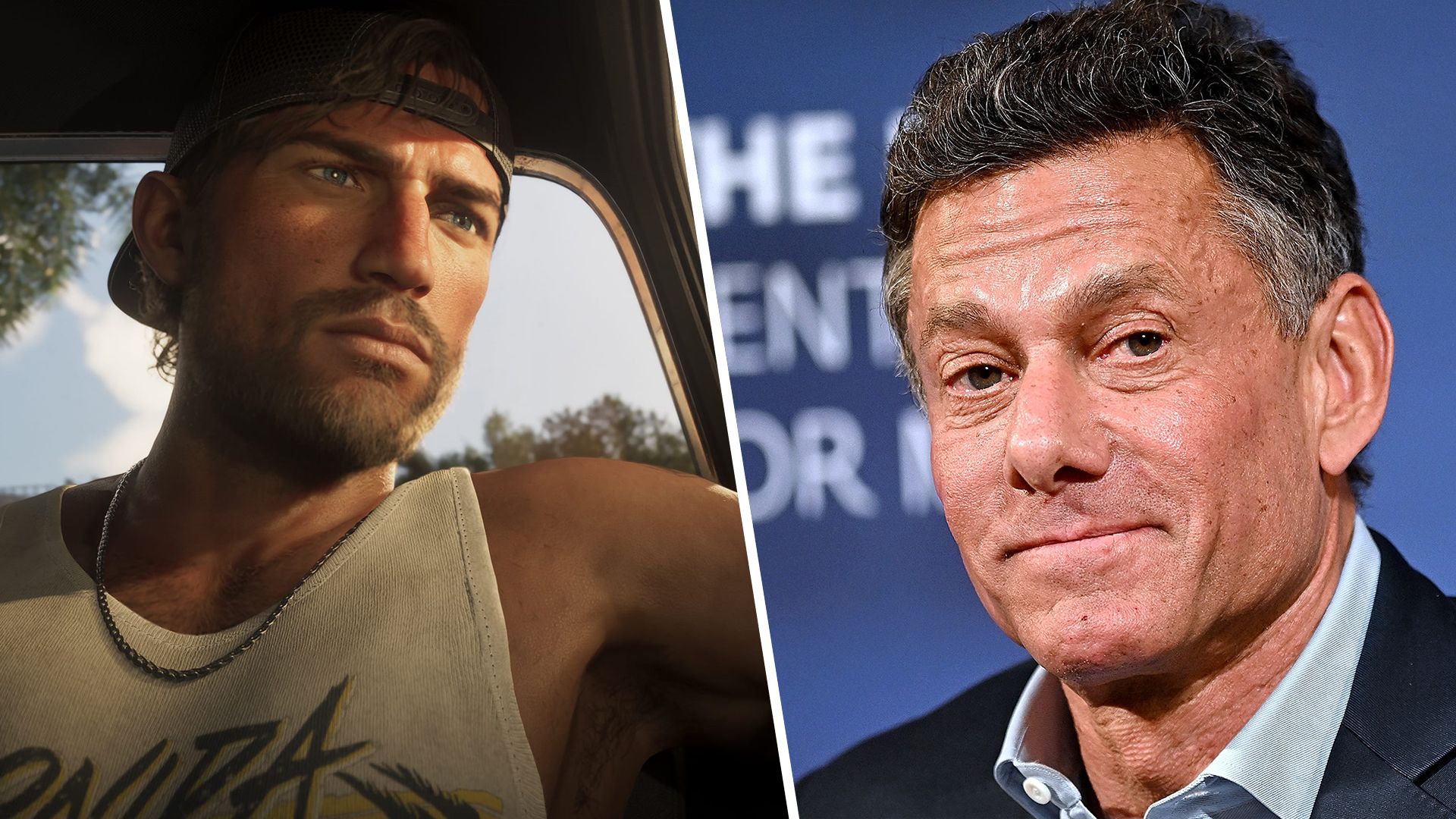
During the investor call, Zelnick briefly touched upon this acquisition, acknowledging that "the FiveM business is a profitable business." However, he quickly pivoted away from treating modding as a core pillar of product development, stating that Take-Two "isn’t religious on the topic." This phrasing suggests that while the publisher recognizes the financial viability and engagement metrics generated by modified servers, it views such phenomena as peripheral extensions of its core product rather than foundational design requirements for upcoming flagships.
+-------------------------------------------------------------------------+
|                  GTA V Lifecyle & Ecosystem Milestones                  |
+-------------------------------------------------------------------------+
| 2013 | Initial launch on PlayStation 3 and Xbox 360                     |
| 2014 | Re-release on PlayStation 4 and Xbox One                         |
| 2015 | PC version launched, unlocking open-source modding & FiveM RP    |
| 2022 | Expanded & Enhanced edition for PlayStation 5 and Xbox Series X/S|
| 2023 | Take-Two Interactive officially acquires the FiveM modding team  |
| 2025 | Grand Theft Auto 6 scheduled for console launch                  |
+-------------------------------------------------------------------------+
Official Statements and Corporate Philosophy
Strauss Zelnick’s leadership style has long been characterized by a disciplined focus on artistic excellence paired with rigorous financial pragmatism. When pressed on complex monetization opportunities related to console jailbreaking, user modification, and alternative platform economies, Zelnick consistently returns to a foundational corporate mantra.
"The mission of this company is to create the best entertainment on earth and bring it to consumers around the world. If we do that right, the monetization takes care of itself."
— Strauss Zelnick, CEO of Take-Two Interactive
This philosophy explains why Take-Two has historically refused to rush its PC ports or pander to specialized sub-communities during initial rollout phases. For Rockstar Games—Take-Two’s crown jewel and the development studio behind the Grand Theft Auto series—quality assurance, single-player narrative impact, and optimized performance on standardized hardware configurations take absolute precedence.
By treating console platforms as the primary launchpad, Rockstar can tightly control the initial consumer experience, mitigate piracy concerns during the critical opening weeks, and maximize revenue from hardware-specific optimization deals. Only after the console foundation is firmly established does the publisher typically turn its formidable engineering resources toward the PC port, ensuring that the eventual desktop release capitalizes on higher frame rates, advanced graphical fidelity, and expanded rendering distances.
Future Outlook: What Lies Ahead for GTA 6 and the PC Community
As the calendar ticks closer to the anticipated release of Grand Theft Auto 6 on November 19, industry analysts and passionate gamers alike are piecing together what the future holds for the franchise across platforms.
Presently, Take-Two Interactive has maintained a tightly controlled information blackout regarding a PC release date for GTA 6. True to form, the publisher’s current roadmap confirms a single-player-focused console launch set within the neon-drenched streets of a modern-day Leonida and its crown jewel, Vice City. Furthermore, official announcements regarding the next iteration of GTA Online tailored for the new engine remain scarce, leaving the community to speculate on how Rockstar plans to integrate the massive multiplayer infrastructure that made its predecessor a multi-billion-dollar juggernaut.
Several key developments and trends are expected to shape the franchise’s trajectory over the coming years:
- The Eventual PC Port: Industry precedent strongly indicates that a PC version of Grand Theft Auto 6 is an inevitability rather than an uncertainty. Historically, Rockstar has allowed a gap of 12 to 18 months between console and PC releases (as seen with GTA 5 and Red Dead Redemption 2), allowing the studio to optimize the title for a vast array of PC hardware configurations.
- The Evolution of Roleplay Integration: Following the acquisition of FiveM, industry watchers are eager to see whether Rockstar will incorporate native roleplaying tools, official modding toolkits, or sanctioned custom server infrastructure directly into the next-generation iteration of GTA Online, bridging the gap between console constraints and PC creativity.
- Record-Breaking Financial Projections: Take-Two’s internal forecasts anticipate staggering financial returns, with projected net bookings expected to reach unprecedented heights during the launch window. This reflects boundless consumer demand, even as platform fragmentation continues to stir debate among industry purists.
Ultimately, while Strauss Zelnick may downplay the structural differences between PC and console communities in corporate boardrooms, the gaming public knows that the two ecosystems offer distinct, irreplaceable experiences. Whether exploring the meticulously crafted single-player campaign on a console at launch or diving into deeply customized, community-run roleplay servers on a high-end rig down the line, the Grand Theft Auto phenomenon continues to evolve—proving that the appetite for Rockstar’s virtual worlds remains as insatiable as ever.